
Almost Equinox

an infrequent repository of mostly new stuff
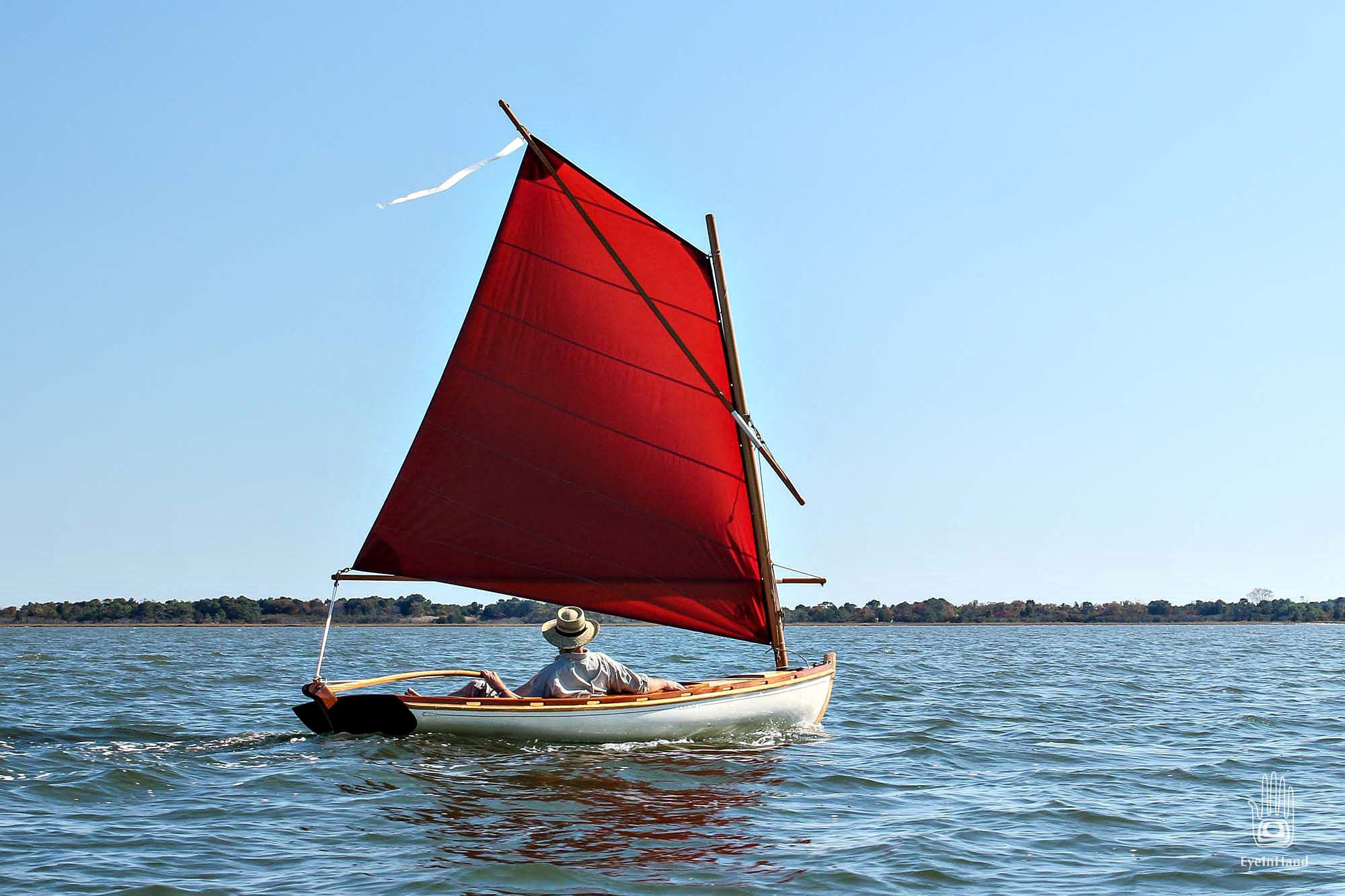
Warm and sunny today, with a mild breeze. Has me thinking about sailing again. The photo above was taken by Tony Thatcher from his Melonseed as we sailed in the sound behind Assateague Island.
More of this please, soon.
Also, I miss that hat.
Of the many books read this winter, this one really blew my mind. Not just once, but over and over.
An Immense World
How Animal Senses Reveal the Hidden Realms Around Us
by Ed Yong
Yong is a gifted science writer. He has rare talent for finding extraordinary things about the natural world, and sharing them in layman’s terms. But he manages to do it without over simplifying or talking down to the reader. If you know something about the topics discussed, you won’t be offended; and if you know nothing at all, the path is made easy.
The whole book is a series of explorations of the five primary senses we know well. Not just as humans experience them (though there’s some startling insights here, too). Instead, he focuses on what is actually happening beyond the narrow ranges we can perceive – extra sensory perception. The range of light invisible to us, but normal to other creatures. Birds and insects that use UV light, snakes that see infrared. Whales and elephants that communicate with infrasound, below our hearing, and dolphin and bats and even their prey that use ultrasound. Smells, taste, touch, direction . . . even time.
Here are a few things I learned:
These astounding bits of information roll out chapter after chapter, and are just some of the many wonders found therein.
One surprise is that humans, while blind and deaf to many sensory inputs, we’re actually very, very good at a few of them. Our sense of touch in our fingers is so sensitive, we can detect the difference in surface textures when one is only one molecule thicker than another. That’s like if our fingertip was the size of the whole earth, we could feel the houses on its surface.
If you have any interest in science, or ever wander around wondering what you don’t see or hear or feel, like I do, I highly recommend treating yourself to a good read. You will realize that the world as we perceive it is very two dimensional compared to the one we walk around in.
Here’s a good lengthy interview with Ed Jong, where he discusses many of the things he discovered while compiling the book, and what lead him to write it.
Winter is almost over; sooner than past years, for sure.
Took a hike in the hills above a stream. The leaves aren’t out yet, but the sun and breeze are warm. Spring Peepers are back. Ducks and geese are migrating north again, stopping over in the sheltered backwaters.
When a new flock arrives, calling out, the ones on the water call back to them. Like the kids game we played in the pool blindfolded, “Marco! Polo!”
They set up quite a racket until the new arrivals land and get settled.

Tsundoku is a Japanese word for the art of surrounding yourself with piles of books you intend to read.
I approve of this word.
Lexington, Virginia,
many years ago.
(Actually, not even 10 years ago.)
Eastern Screech Owls from last summer.
Got their game face on.


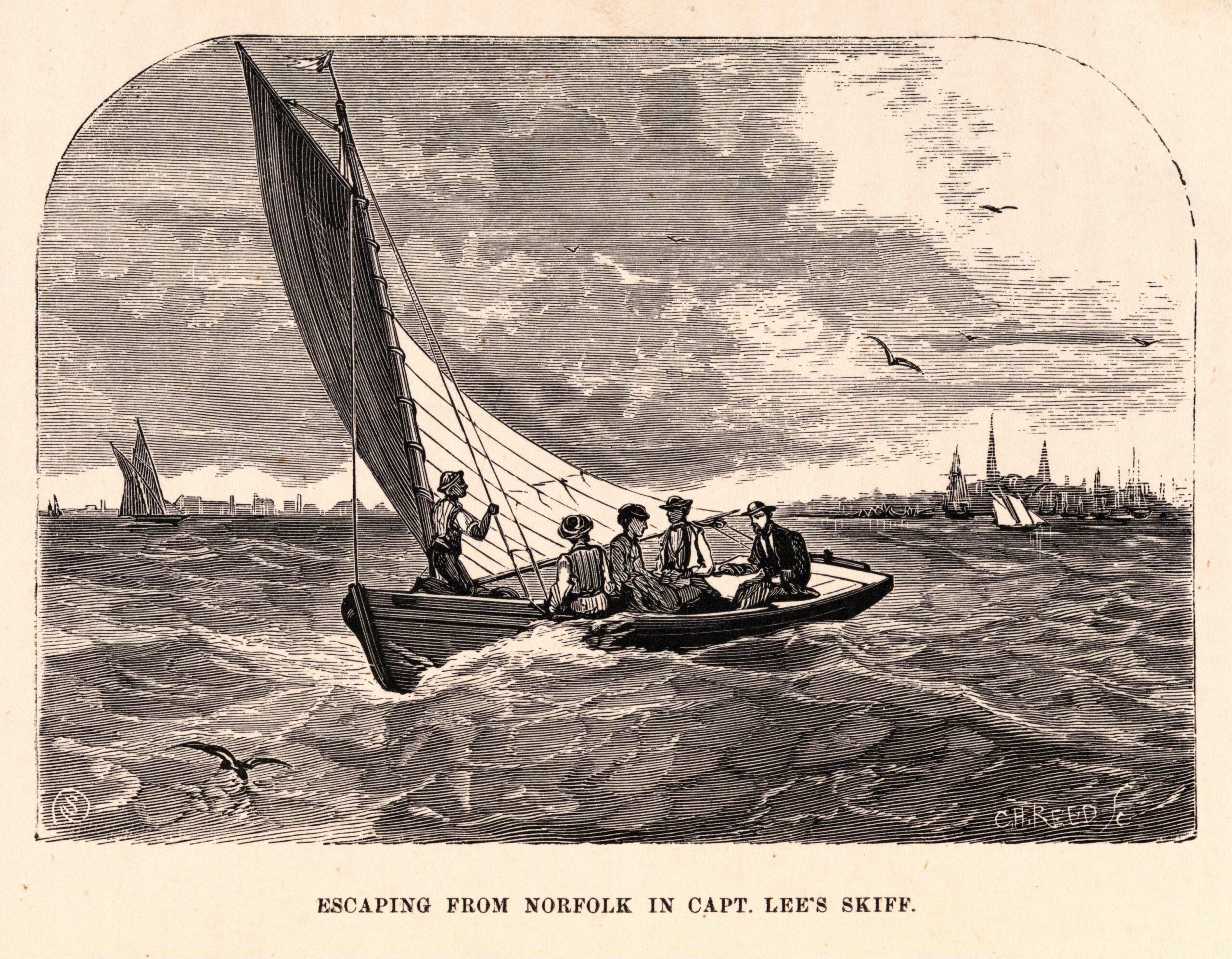
Hey, that’s my boat!
I’ve been reading a lot lately, which feels good. I’ll share here the ones that really rang a few bells in the old brain pan.
I found this one through a backdoor. When looking for the source of an image, I came across this exhibit of the New Bedford Whaling Museum.
That lead me to a book by the same name.
It’s a fascinating piece of history. The stories correspond to a few elucidated in greater detail by David Celceski, a historian who grew up in coastal NC in his book,
The Waterman’s Song: Slavery and Freedom in Maritime North Carolina
It’s a detailed compilation of how centuries of black enslaved and freemen of the Outer Banks and coastal NC learned the dangerous trade of navigating those waters from early settlement, so their white owners wouldn’t have to take the risks. But this skill gave them a valuable advantage when it came to vying for freedom, or assisting others in escapes, as the Civil War approached. (Thanks for the recommendation from Steve Earley.) In some cases, they joined the Northern Navy and assisted in raids and blockades of Southern ports, because they knew the dangerous shoals so well.
The photo above, though, was included in the Sailing to Freedom book. It looks very similar to the larger version of my Melonseed skiffs, which is what caught my eye. What a fascinating backstory to the engraving.
A group of slaves escaped in this boat by sailing from Norfolk all the way to Philadelphia. That’s hard enough to do now, with modern weather forecasts and GPS, when you’re assured of getting help if you need it.
I can’t imagine doing that in the mid 1800s, when contact with anyone at all could mean capture and/or death.