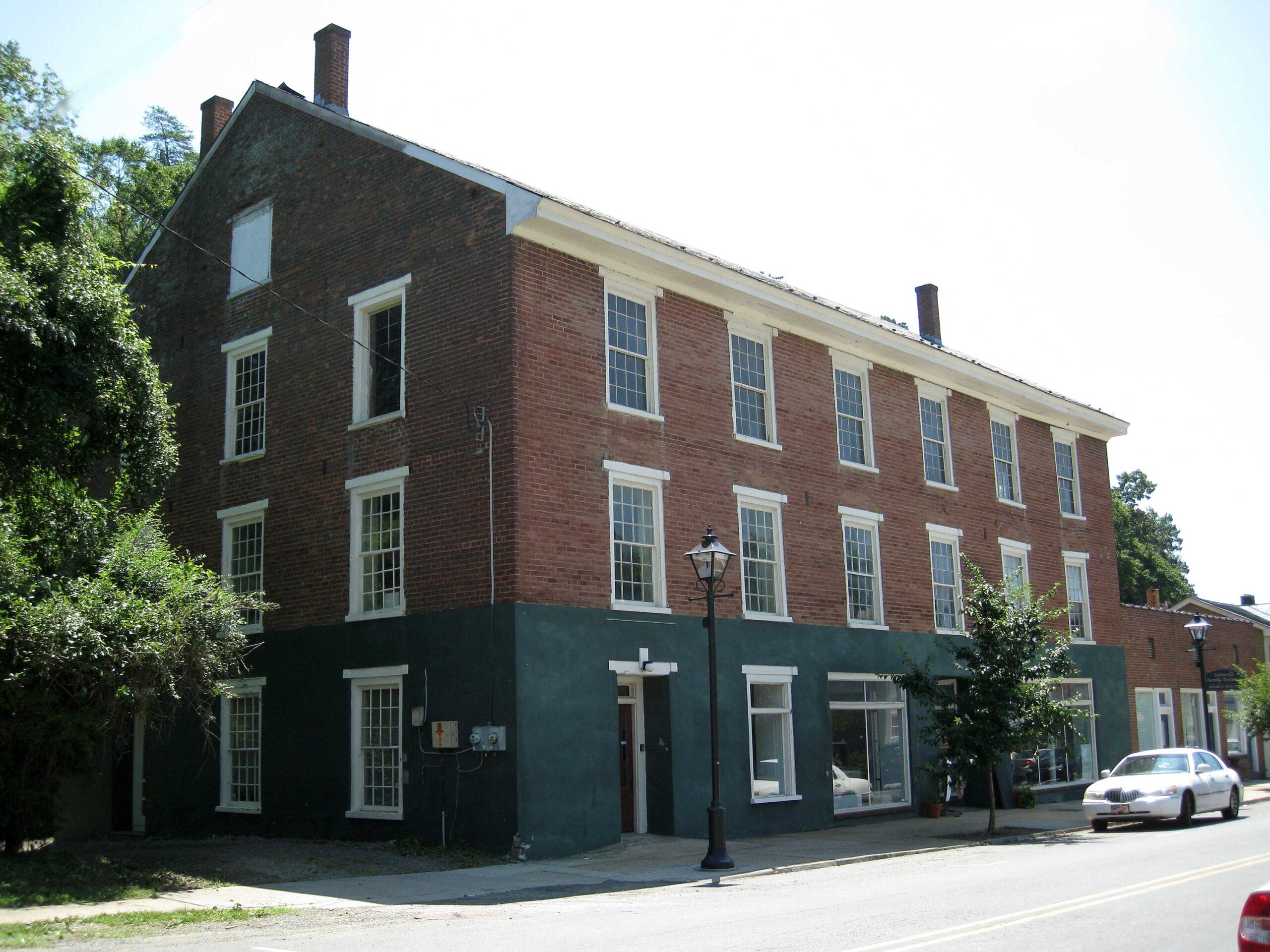
Name: Tobacco Factory Date: 2010 Image Number: CG84cdCG08 The photograph above is part of the Connie Geary Collection at Scottsville Museum.
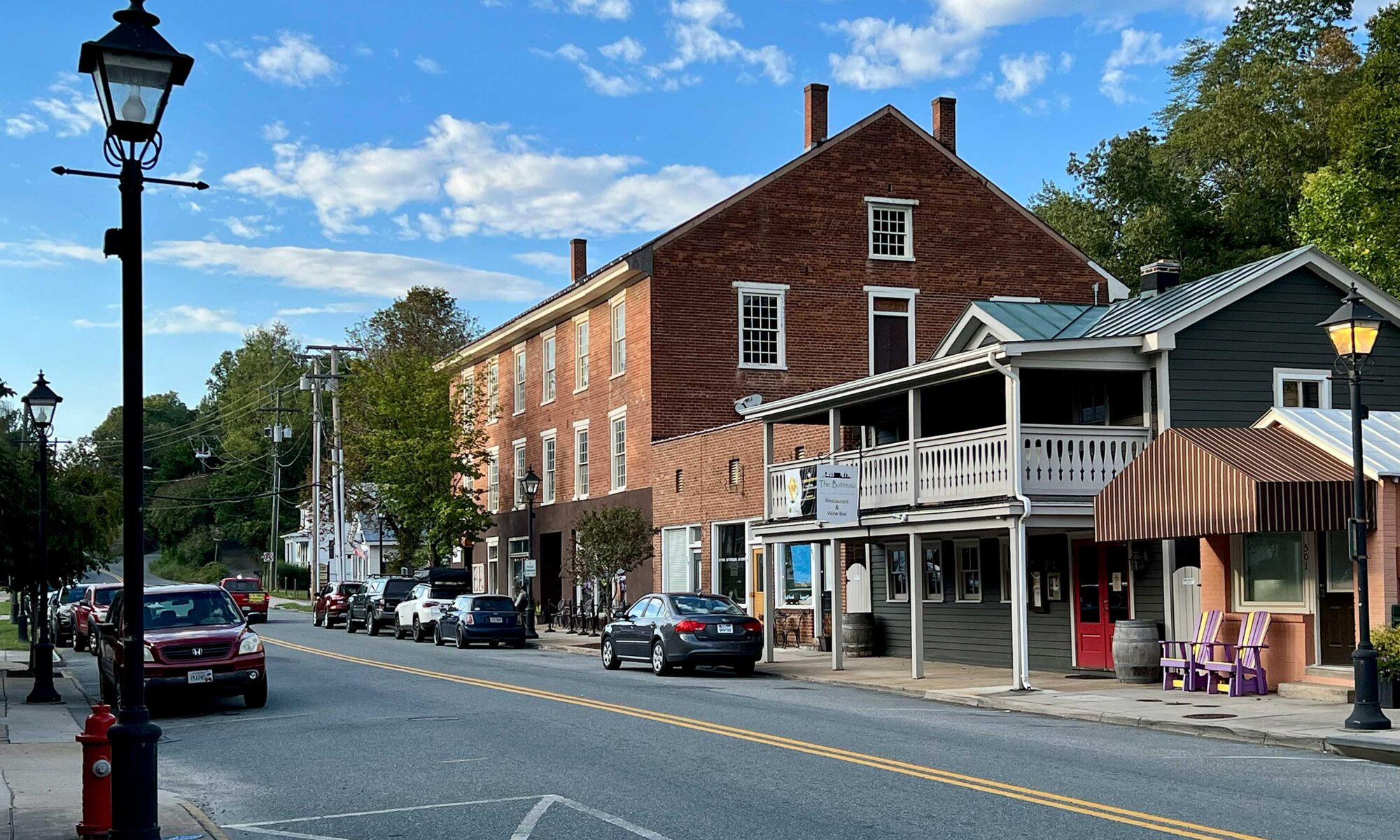
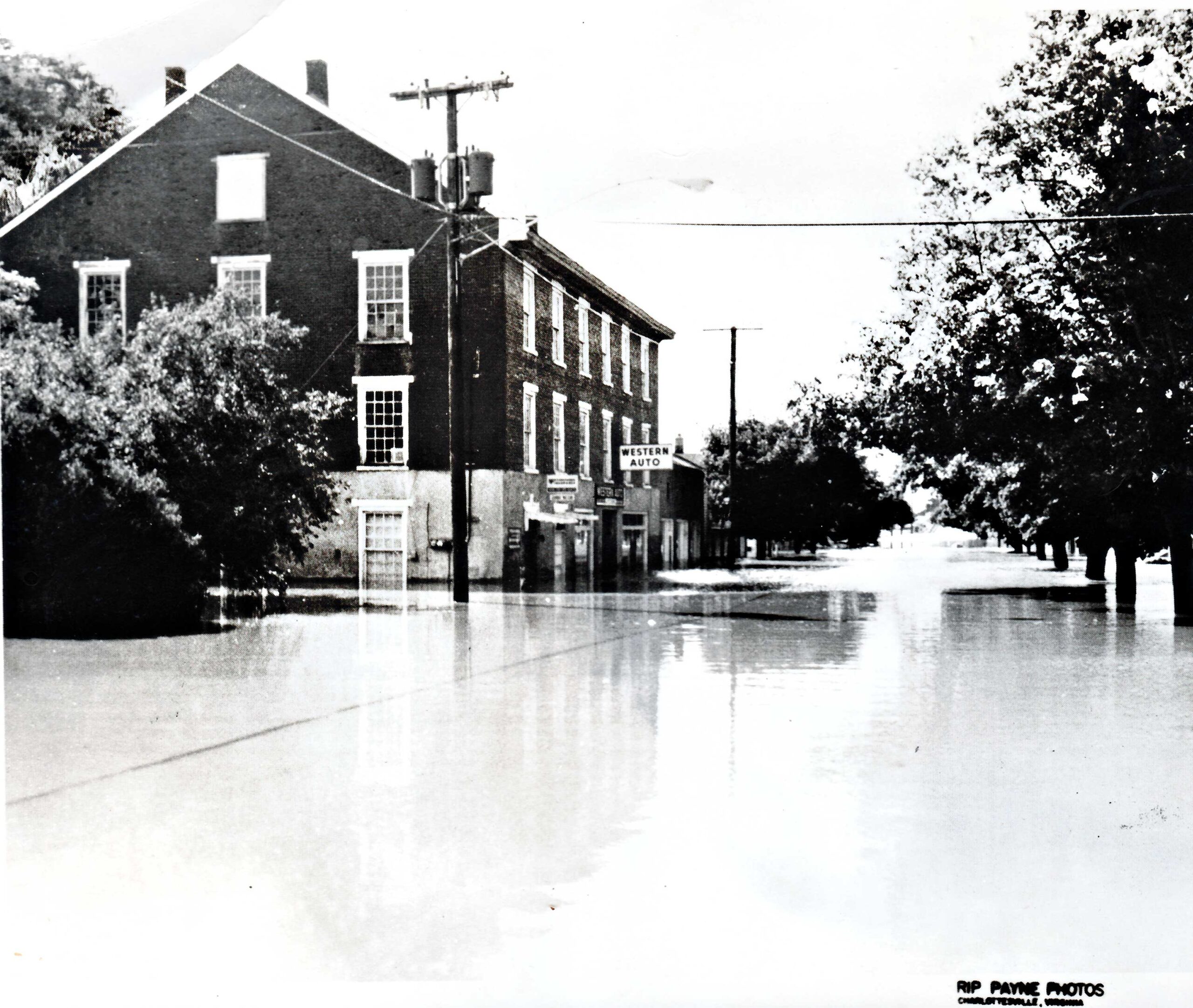
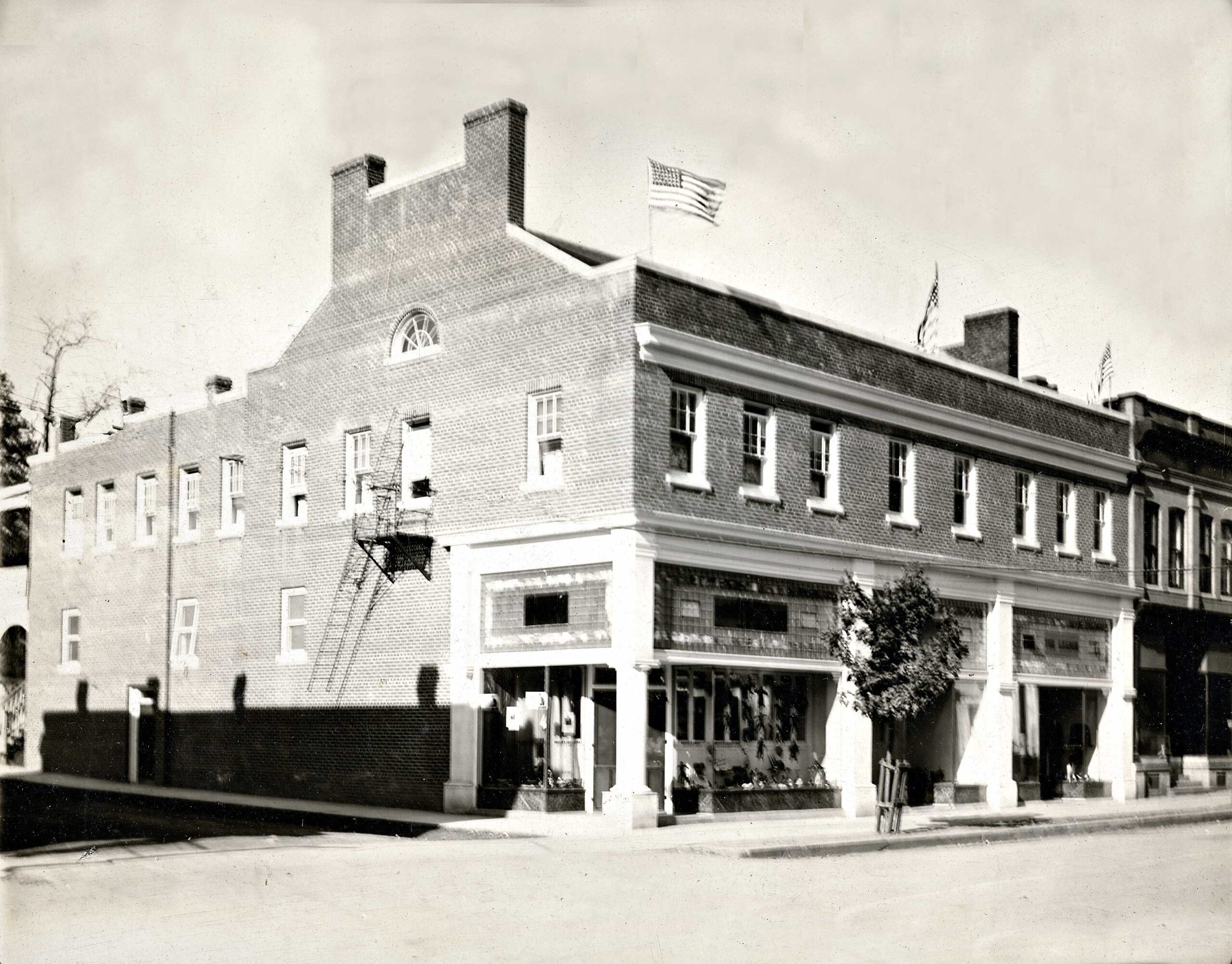
Built around 1840, this large, three-story brick building at 571 Valley Street was a tobacco factory and warehouse as late as 1880. The tobacco brands produced there included ‘Tuberose’ and ‘Mason’s Select.’ Former Mayor Raymon Thacker remembers playing in the upper story of this building around 1915 and noted there were still several tobacco bales onsite.
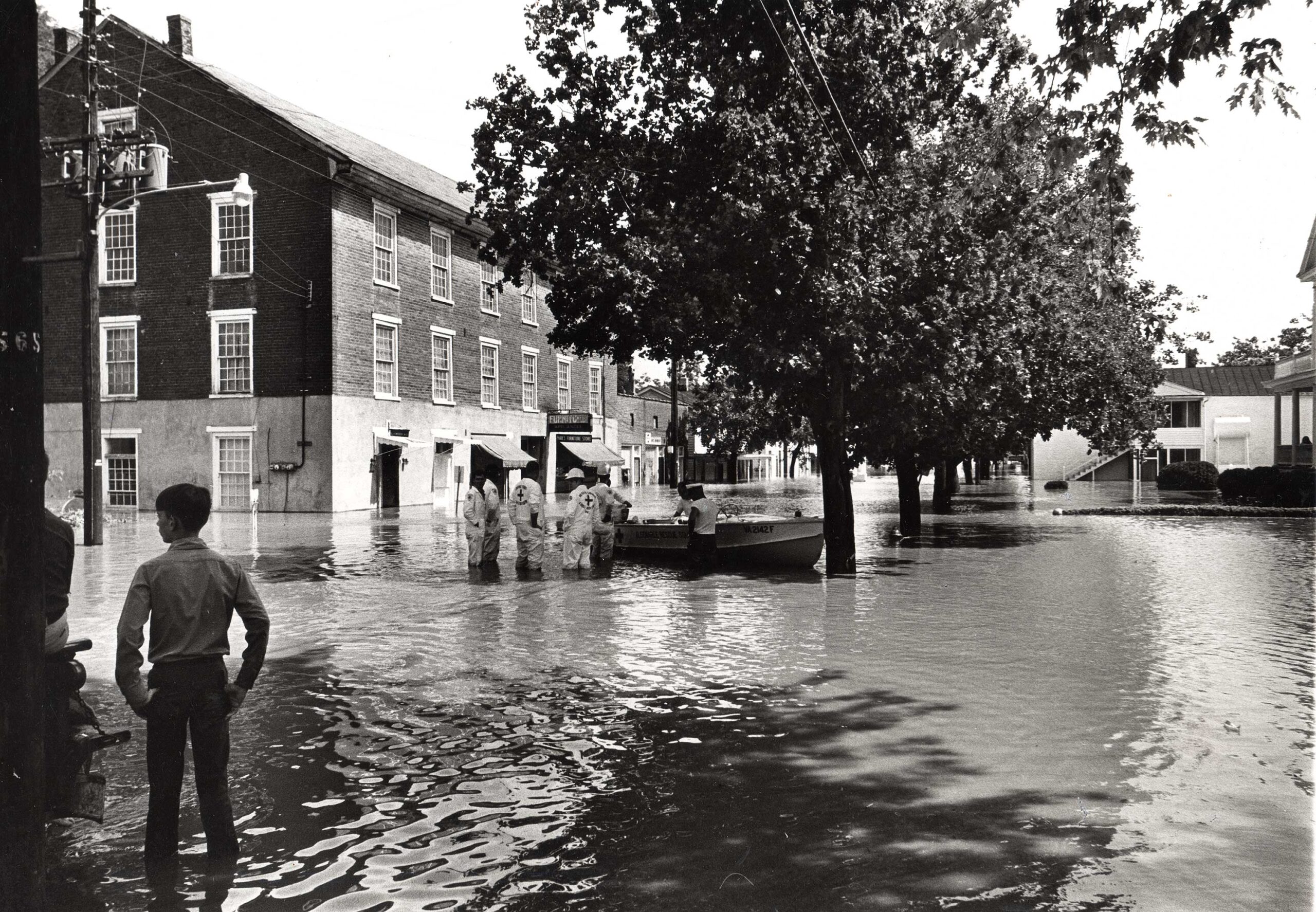
During the flood of 1969. Looking South down Valley Street from near Thacker Bros Funeral Home.
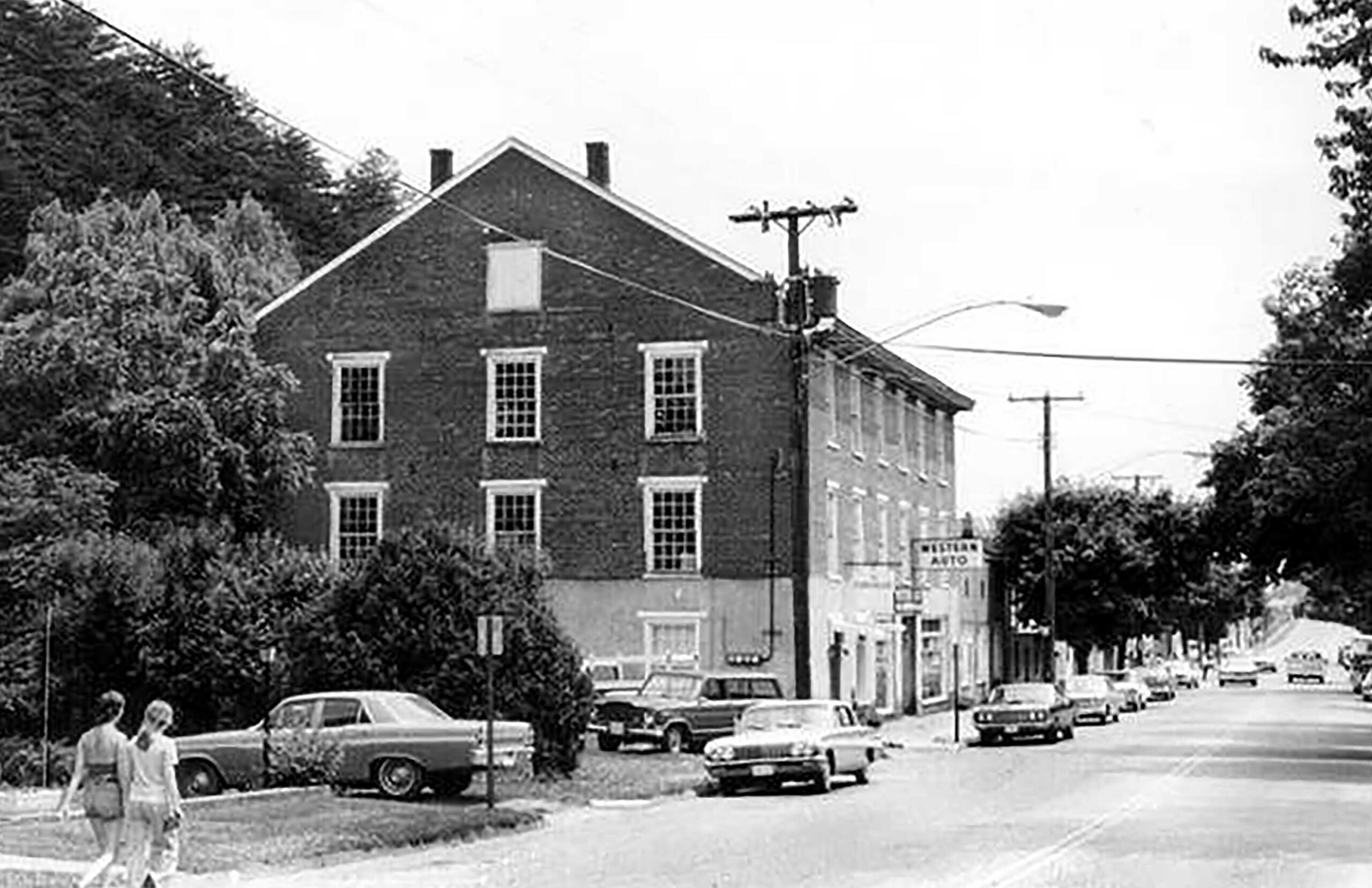
Later this building served as a braid factory, and in the 1960’s a Western Auto store operated from this site.
Burned in Civil War (1865). Textile & Tobacco Factory; Civil War Hospital; Converted into Western Auto.During the flood of 1972
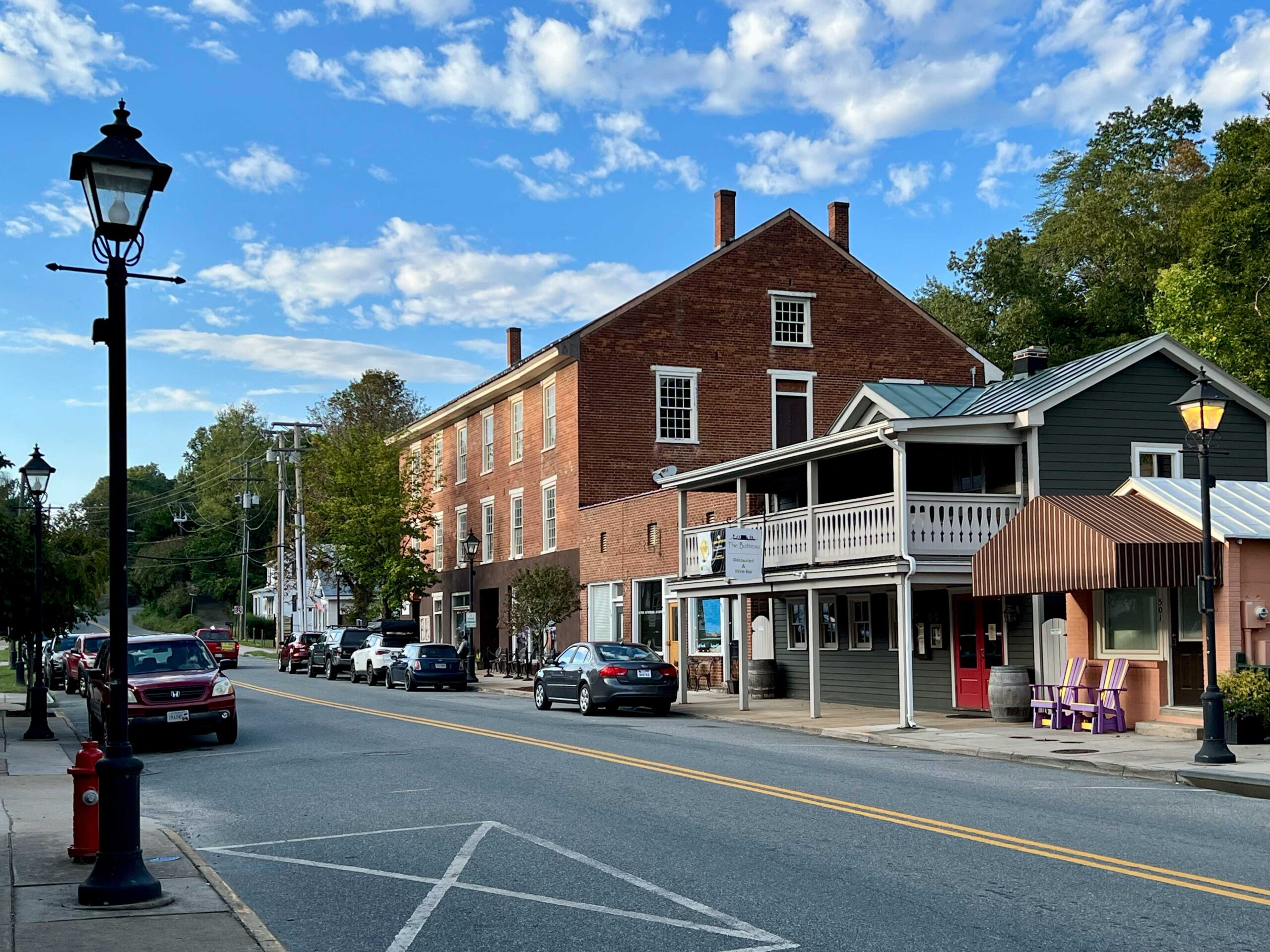
In 2010, this building served as an art studio for avid amateur artists and hosts community art shows on occasion. In August 2011, the James River began operation as a very successful brewery and opened a beer garden with live music in 2013.
Looking north from the west side of Valley Street in 2022
Name: Bruce’s Drug Store Date: ca. 1908 Image Number: SD18cdSD1
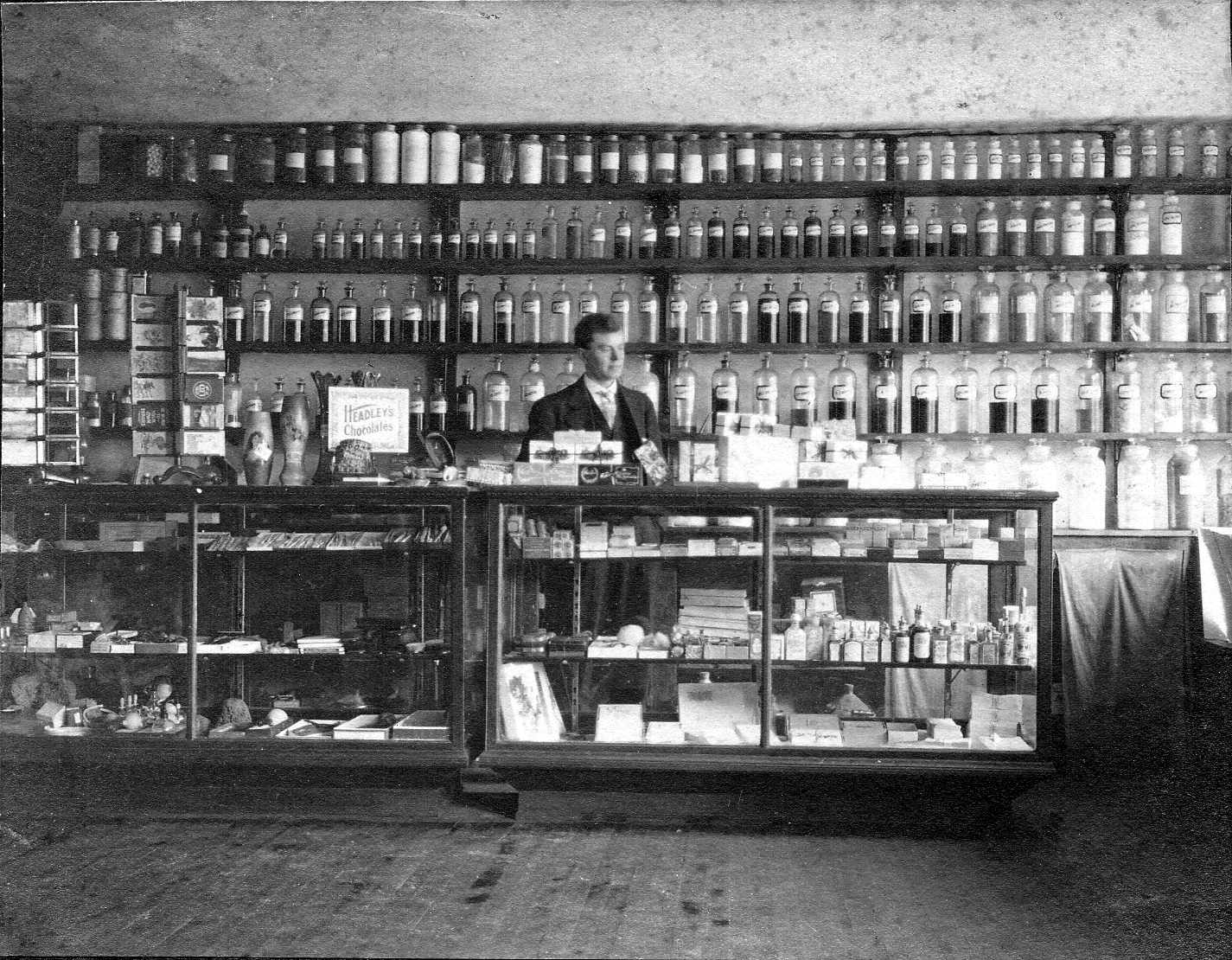
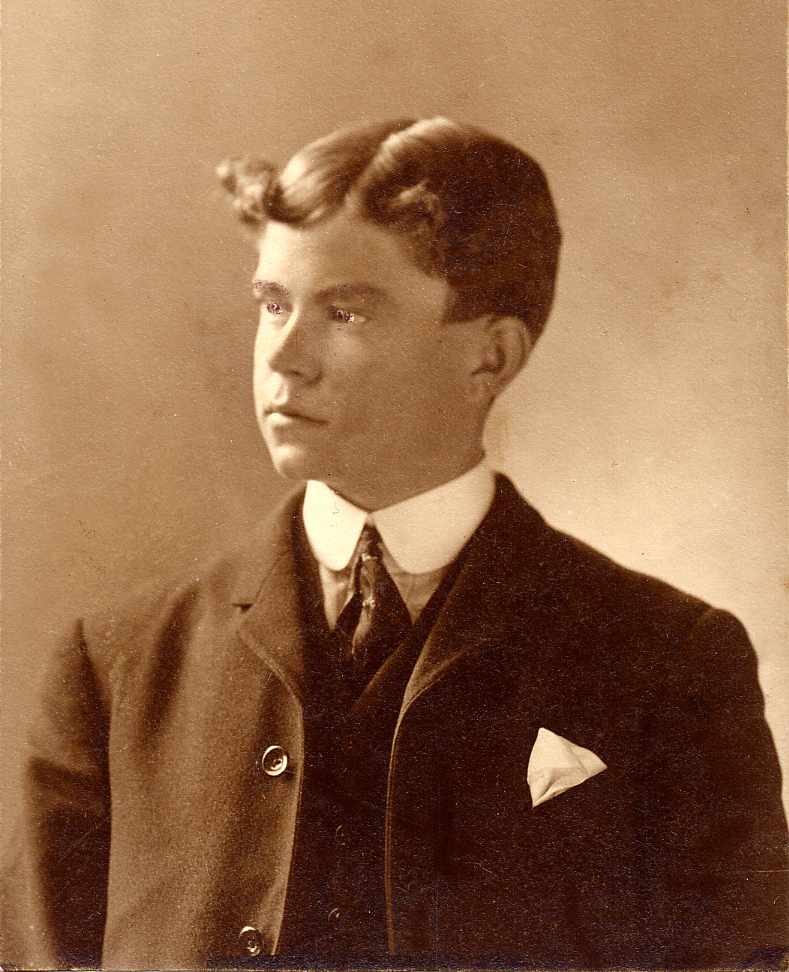
T.E. Bruce, ca. 1906
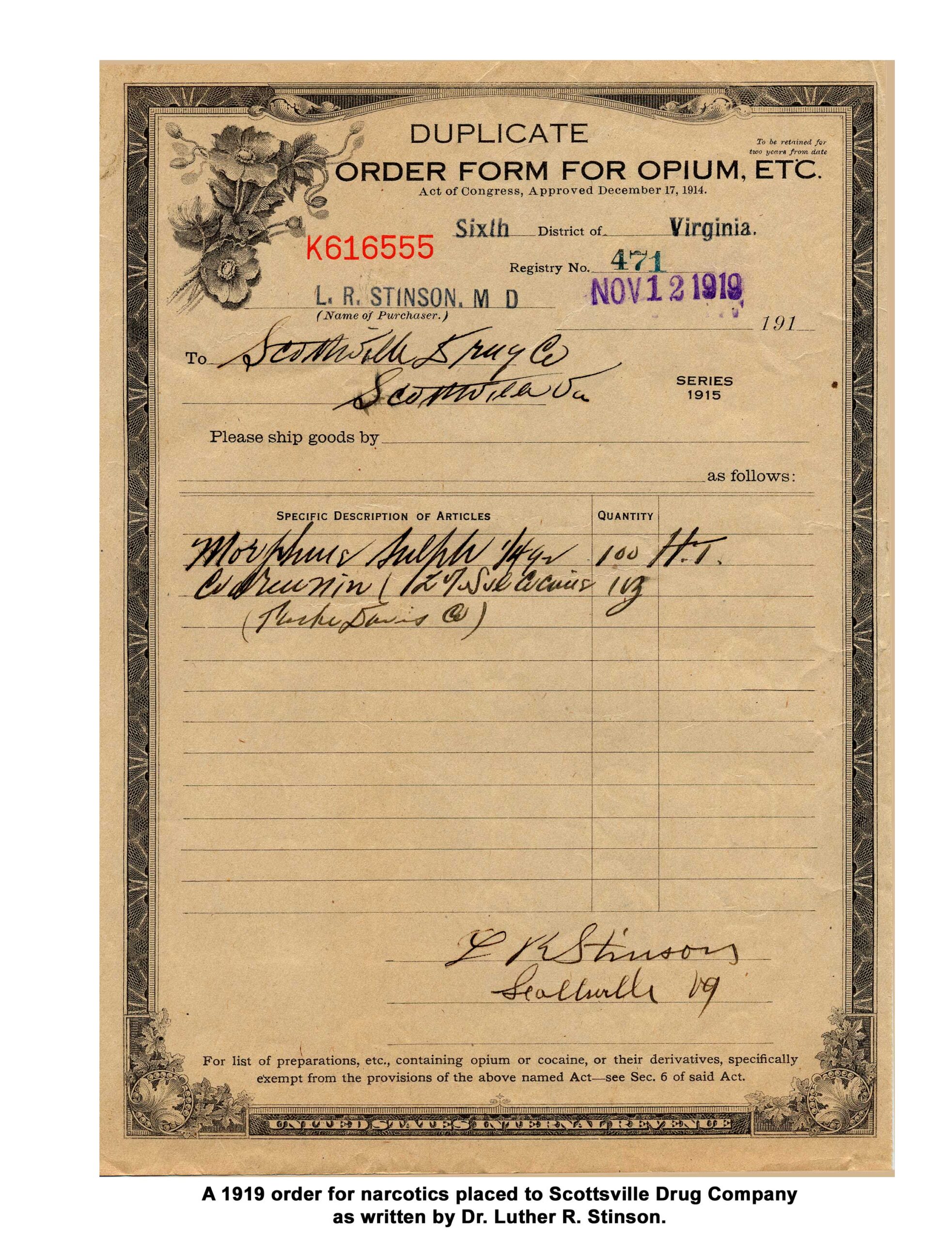
Bruce’s Drug Store began on November 1, 1908, under the name of Scottsville Drug Company. Dr. Luther R. Stinson and Dr. Benjamin L. Dillard, practicing physicians in Scottsville, maintained a small medicine shop in the town’s old apothecary shop on Valley Street (now 510 Valley Street). Finding it inconvenient to keep their shop open as much as the public demanded, the two doctors advertised for a full-time pharmacist in a Richmond newspaper. Thomas Ellison Bruce was working as a pharmacist in Newport News and answered their ad. Ellison and the two doctors formed a partnership in a pharmacy business called the Scottsville Drug Company. In the 1908 photo above, Ellison is shown standing behind the pharmacy counter of this drug store. The medicine bottles behind him held the medicinal supplies Ellison used to fill prescriptions.
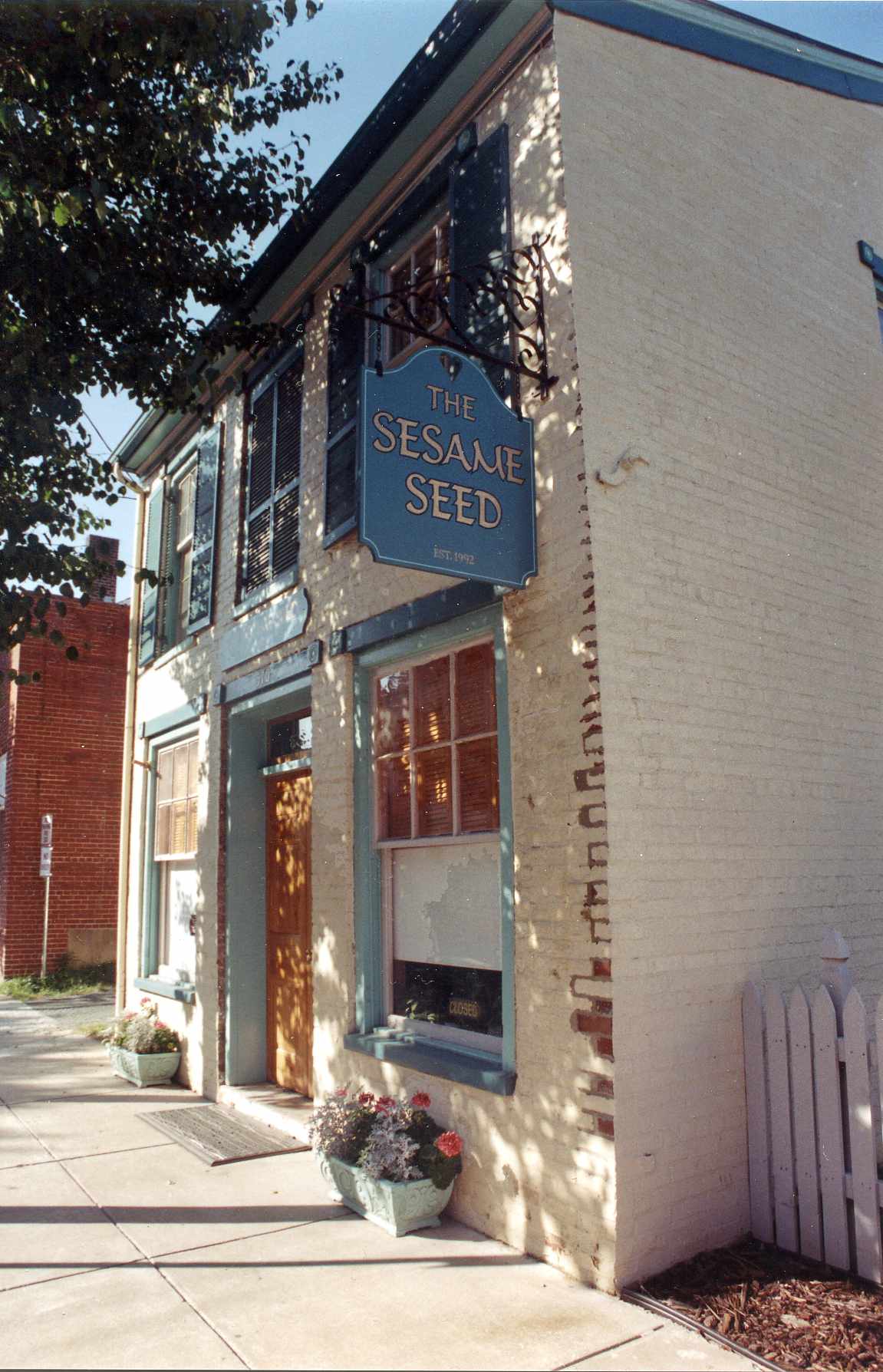
First site of Scottsville Drug Company, 1908-1912
Although only twenty years old, Ellison realized the two doctors greatly needed a pharmacist to help them. He drew up a partnership agreement in which each doctor assumed the financial responsibility for his patient’s medicinal charge accounts. If the business operated at a loss, the partnership agreement required the two doctors to personally pay Ellison a salary. Dr. Stinson stated, “After conducting business under this arrangement for one year, we realized Bruce was the only one making any money!” The two doctors soon sold their interests to Ellison, making him the sole owner of the Scottsville Drug Company. The photo above shows the building that first housed Ellison’s drug store at 510 Valley Street; this old apothecary building was built ca. 1832.
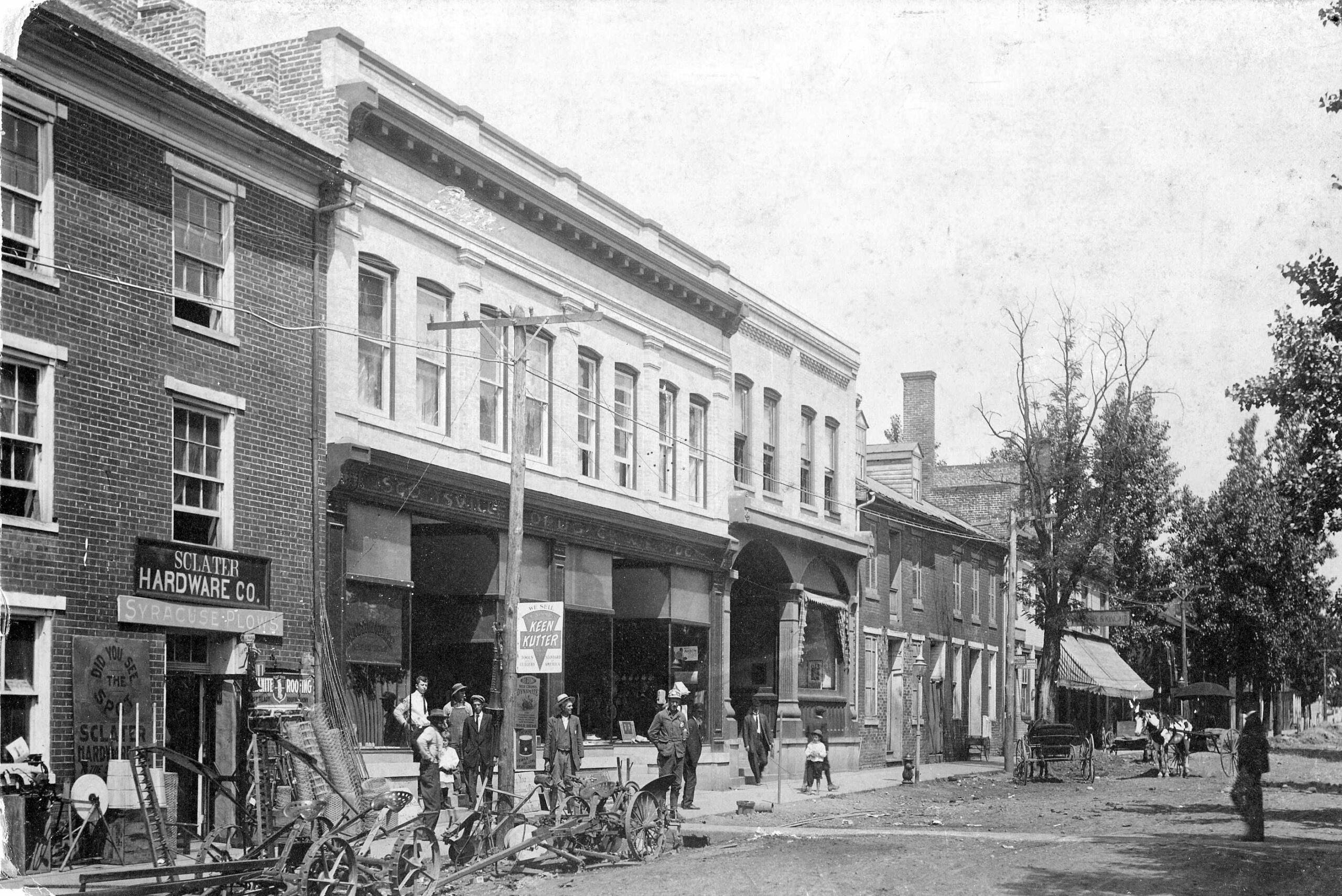
About 1911 or 1912, Ellison moved his store to the Pitts Building on Valley Street (now 330 Valley Street). The photo below at left shows Lee Bruce, Ellison’s brother and store clerk, in white shirt and leaning casually against the Scottsville Drug Company’s front display window.
Scottsville Drug Company at 330 Valley Street, 1912
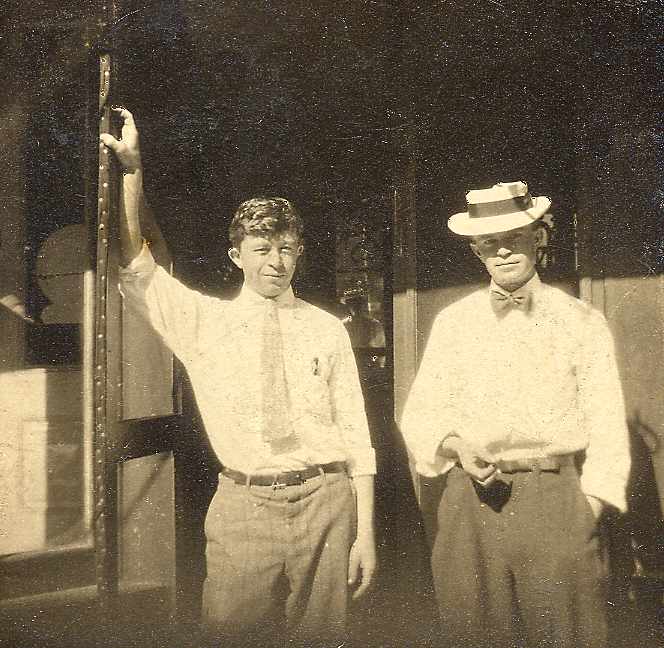
Below, Lee and Ellison pose for a 1913 Kodak snapshot on the drug store’s front steps. In the store’s early days in Scottsville, Lee helped his brother cover their long hours of daily operation for several years. The drug store opened seven days a week, although Sunday sales were for medicinal purposes only. In the early 1920’s, Ellison changed his store’s name to Bruce’s Drug Store.
Lee Bruce and Ellison Bruce, 1913
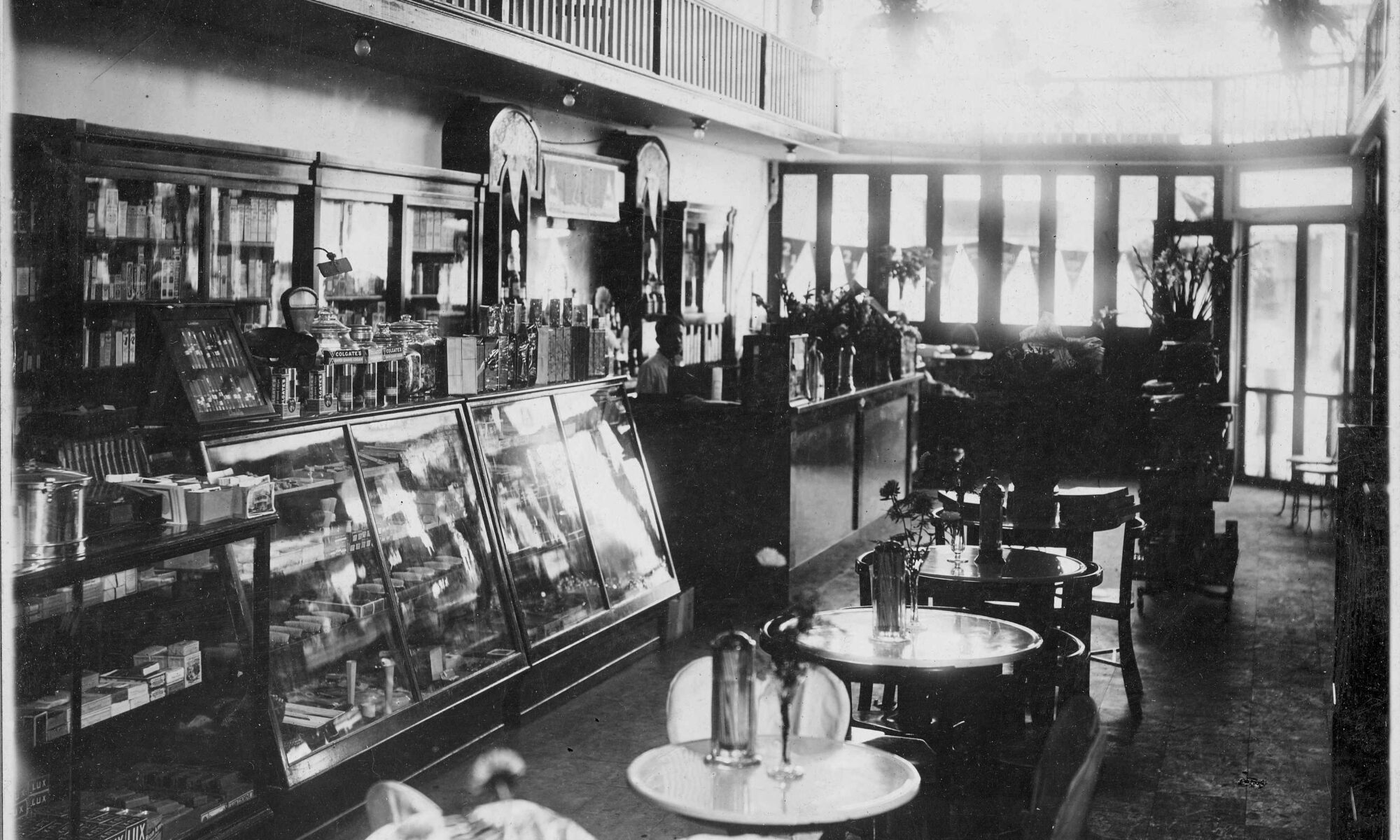
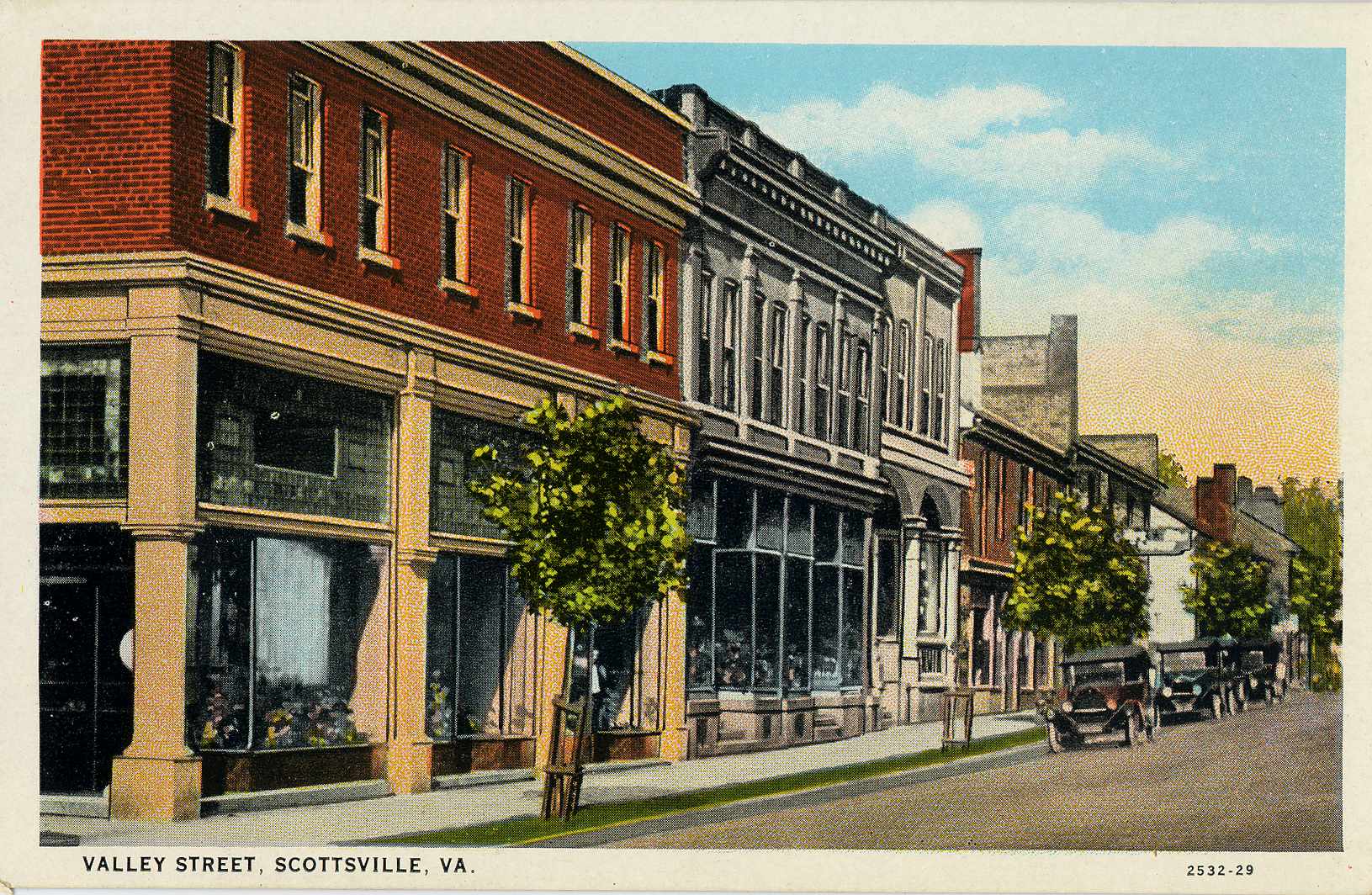
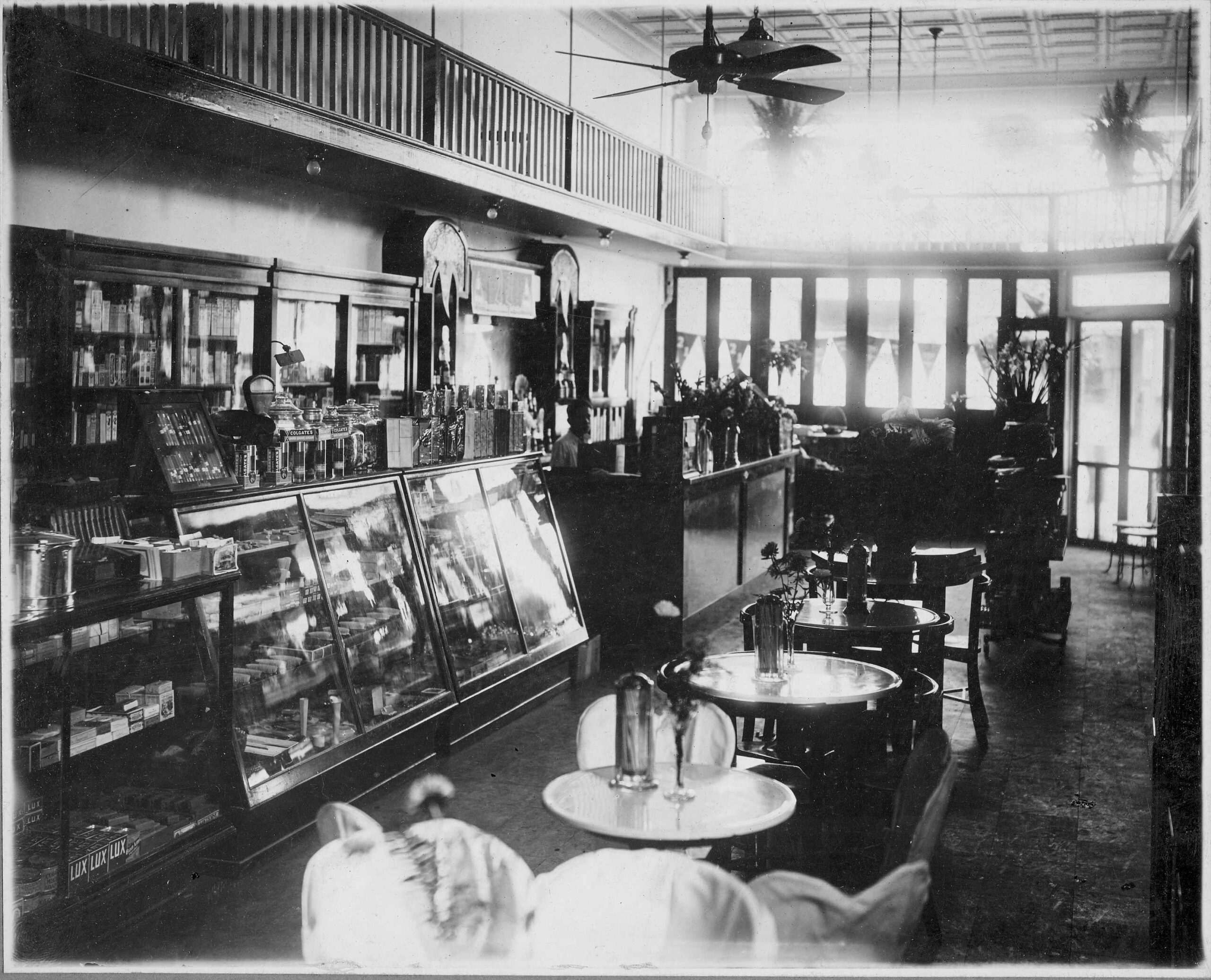
In late 1927, Ellison purchased the old Carlton House hotel, which was the building next door at the corner of Valley and West Main Street. After extensive renovations, Bruce’s Drug Store moved into this building in 1928 and continued in operation at that location until November 22, 2003. Shown below is a 1928 Burgess post card of Valley Street, which shows the newly renovated Bruce’s Drug Store in the red brick building at photo left. The second photo below shows an interior view of the drug store during its September 1928 grand opening.
Bruce’s Drug Store at corner of Valley and Main Streets,1928
Interior of Bruce’s Drug Store on Opening Day, 1928
In his store’s early days in Scottsville, Ellison ordered his drug store merchandise through a wholesale ‘drummer.’ Drummers were salesmen, who traveled about the area, ‘drumming up business for their companies. A drummer would arrive in Scottsville by train, spend the night at the Traveler’s Rest Hotel on Main Street, and leave by train the next day with Ellison’s handwritten order. On the weekend, all of the drummer’s orders were turned in to the wholesaler, who packed and shipped each order during the next week via railroad freight. Such freight shipments arrived at Bruce’s Drug Store roughly seven to ten days after the order was placed. By the 1930’s, the automobile expedited this procedure so that orders could be delivered in two or three days. In today’s world (2004), computers handle orders with next day delivery via truck.
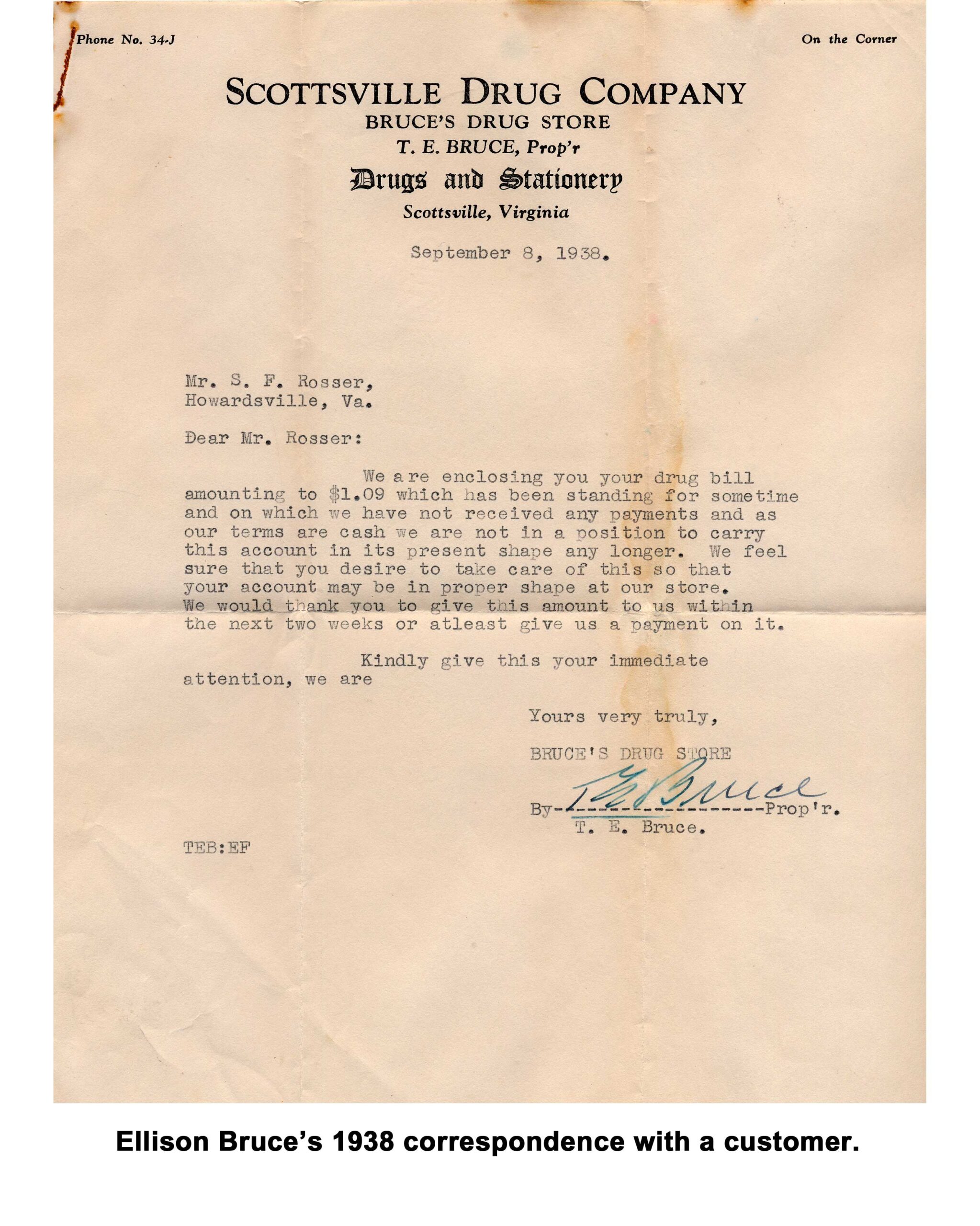
From its early days, Bruce’s Drug Store began to fill the medicinal needs of the town’s citizens and the country population of south Albemarle, Buckingham, and Fluvanna Counties. Ellison Bruce, and later his son, Tom Bruce, served the needs of the community with a generosity in time and account payments. During the 1930s when money was a scarcity in this predominantly farming area, payments on account to Bruce were sometimes made by barter. When customers were unable to pick up prescriptions, the pharmacists themselves delivered them.
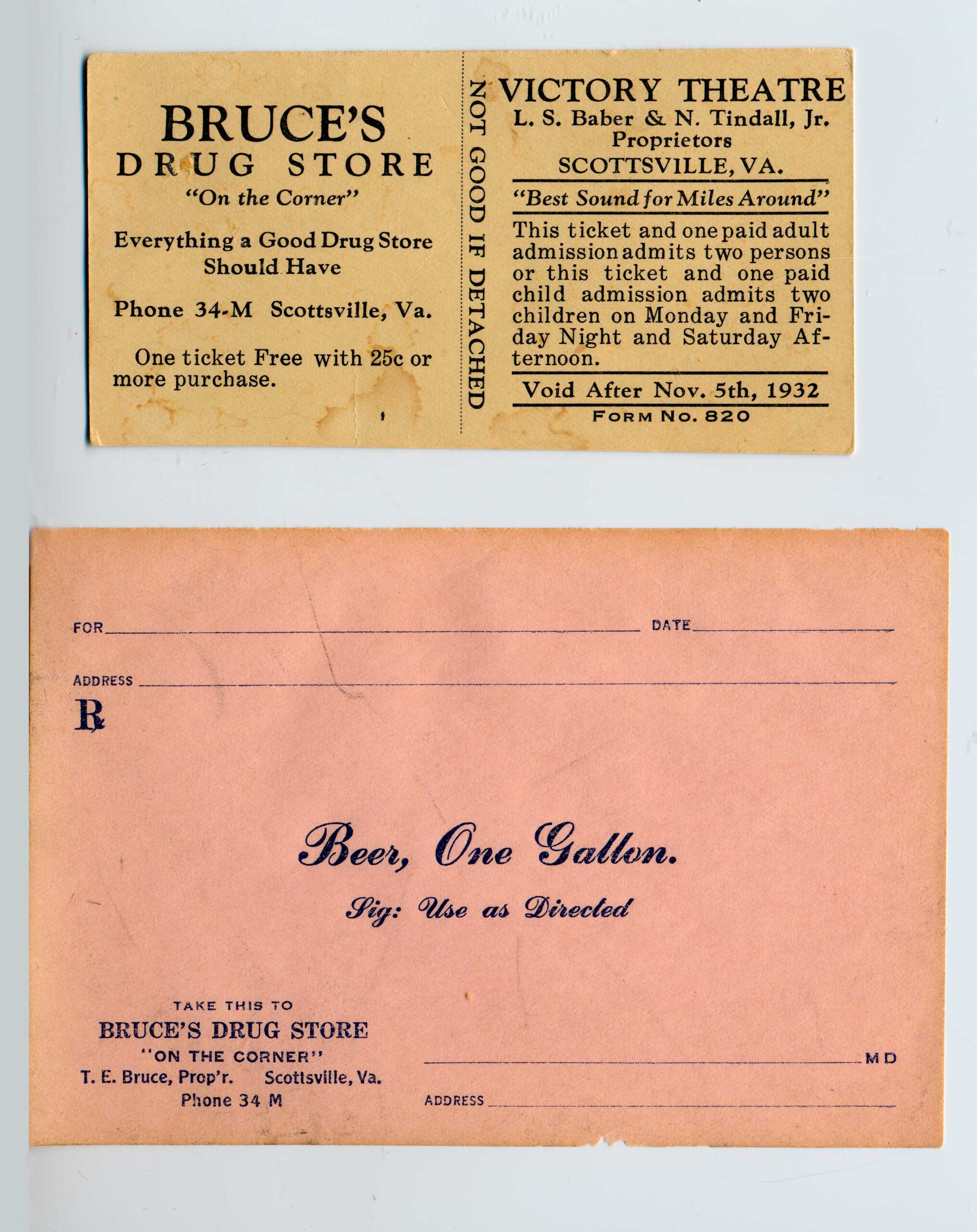
Prescription for beer during Prohibition
In the 1930’s, the State of Virginia allowed the sale of alcohol only for medicinal purposes. At Bruce’s Drug Store, this sale went on with the required prescriptions. However, the sale of medicinal alcohol became too frequent, and ABC officials withdrew the pharmacy’s right for alcohol sales.
When Ellison became sole owner of Scottsville Drug Company, he added a small soda fountain. A revolving, hand-turned drum produced carbonated water for soda drinks, and Ellison made ice cream in a hand-turned freezer. Photos of his first storefront show ‘Bruce’s Ice Cream Parlor’ and ‘Drink Coca Cola’ stenciled on the store’s front window. About 1920, Ellison installed an electric-operated soda fountain and ordered his ice cream from a commercial dairy. When Bruce’s Drug Store moved to the corner of West Main and Valley Streets in 1928, Ellison installed a modern soda fountain with counter stools and tables with ice cream chairs (shown in grand opening photo above). Later Ellison installed two booths, which were popular with Scottsville High School students. From 1930 – 1951, Bruce’s Drug Store made its own ice cream, which is remembered by many as the best treat ever. The soda fountain business, however, gradually became unprofitable and was removed from the store in April 1958.
Amanda Payne Hall remembers free ice cream.
Memories of Bruce’s Drug Store include its important place in the community for medicines and prescriptions. Citizens of all ages fondly remember ‘going to Bruce’s’ for a soda, ice cream, or just plain good conversation. Druggist Bruce, slight in build, large in friendliness and smiles, would cram a mountain of ice cream into a nickel cone, much to the delight of his customers. As one soda fountain regular fondly recalls, “A great Scottsville memory is going to Bruce’s Drug Store for lunch. Some days I forgot about the real food and just got my favorite ice cream cone, a black raspberry triple dip. I have not had such good ice cream since then!”
George Howard remembers buying a milkshake with his first paycheck.
Ellison Bruce operated Bruce’s Drug Store until his death in November 1947. His son, Thomas Ellison Bruce, Jr., took over management of the drug store after his father’s death. Although educated as an accountant, Tom, Jr., went back to school in pursuit of a pharmacy degree at the Medical College of Virginia. He completely remodeled the drug store in 1953, installing new fixtures and air conditioning. In 1969, Hurricane Camille flooded Bruce’s Drug Store with 8.5 feet of water and James River mud, destroying its interior. Tom again remodeled the drug store and reopened in 1970. Two years later in June 1972, Tropical Storm Agnes flooded Bruce’s Drug Store with 12 feet of water. Again Tom remodeled and reopened his drug store.
Tom Bruce continued to operate Bruce’s Drug Store after the floods and employed another pharmacist, G. Richard Sago, in October 1974. Tom retired in April 1977, when he sold his drug store to Richard Sago and his wife, Ann, who is also a pharmacist. The Sagos operated Bruce’s Drug Store at the corner of Valley and West Main Street until November 22, 2003, when they moved the store to its fourth and current location in the old Maxwell Furniture building across from Scottsville Museum on Main Street.
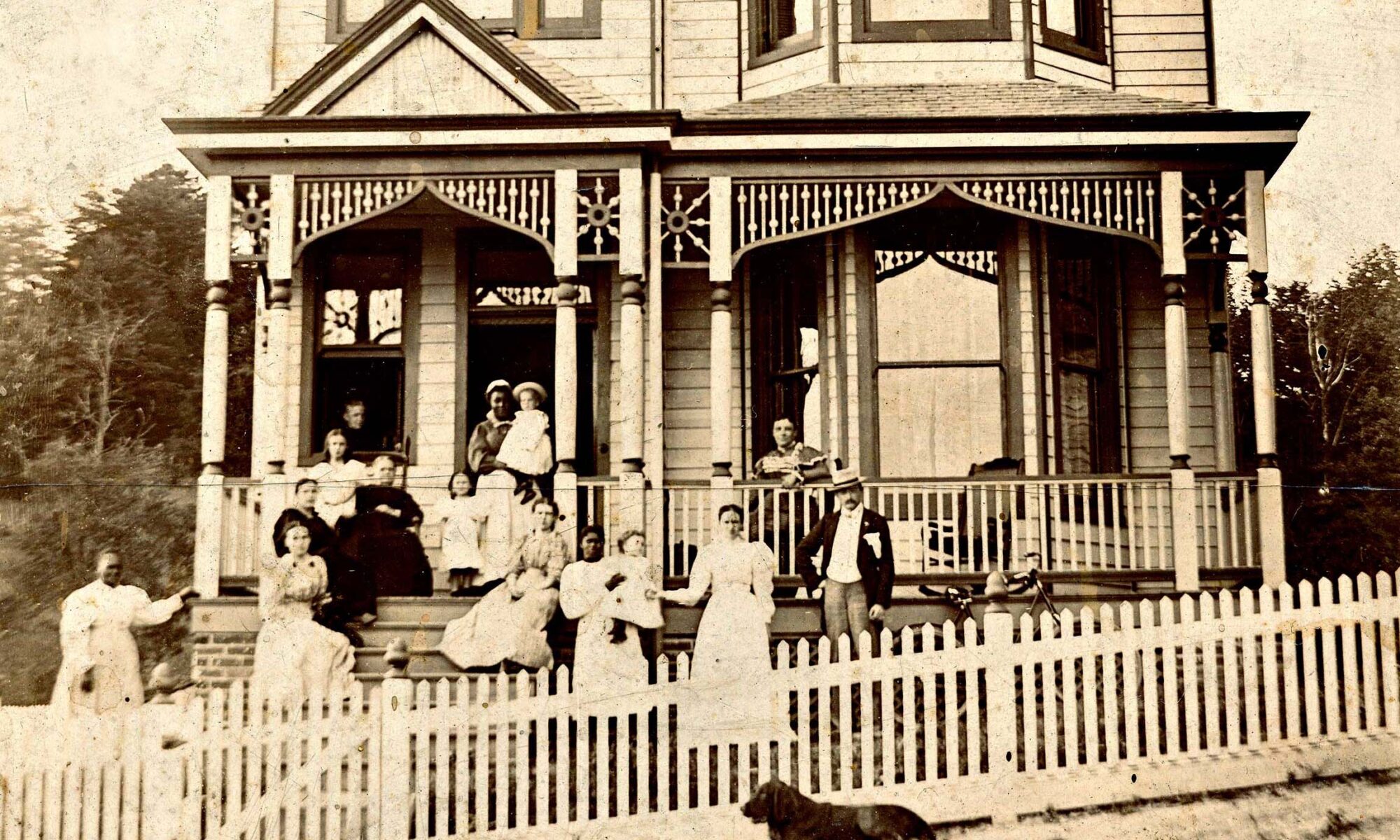
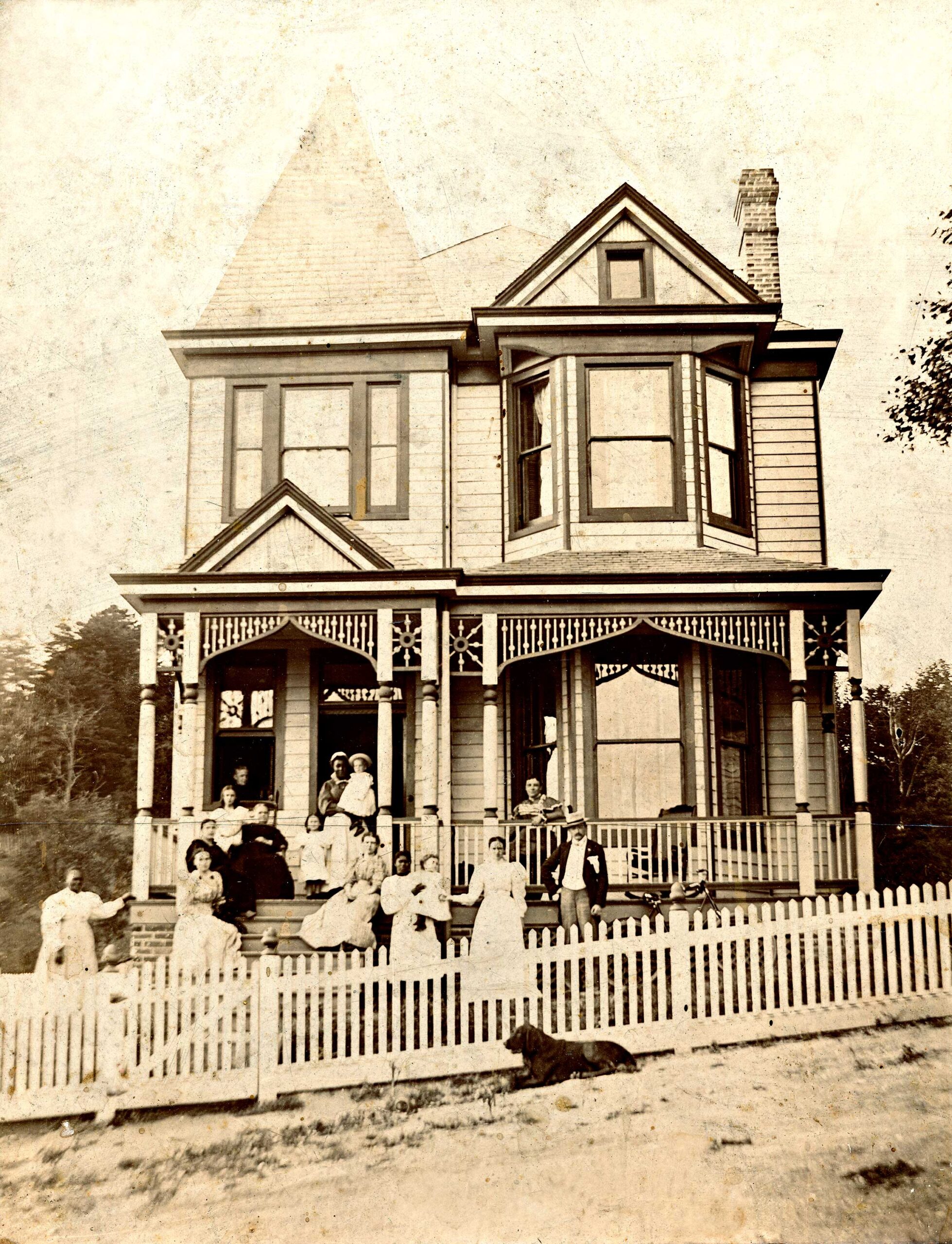
Name: The Terrace Date: 1897 Image Number: B01cdB19
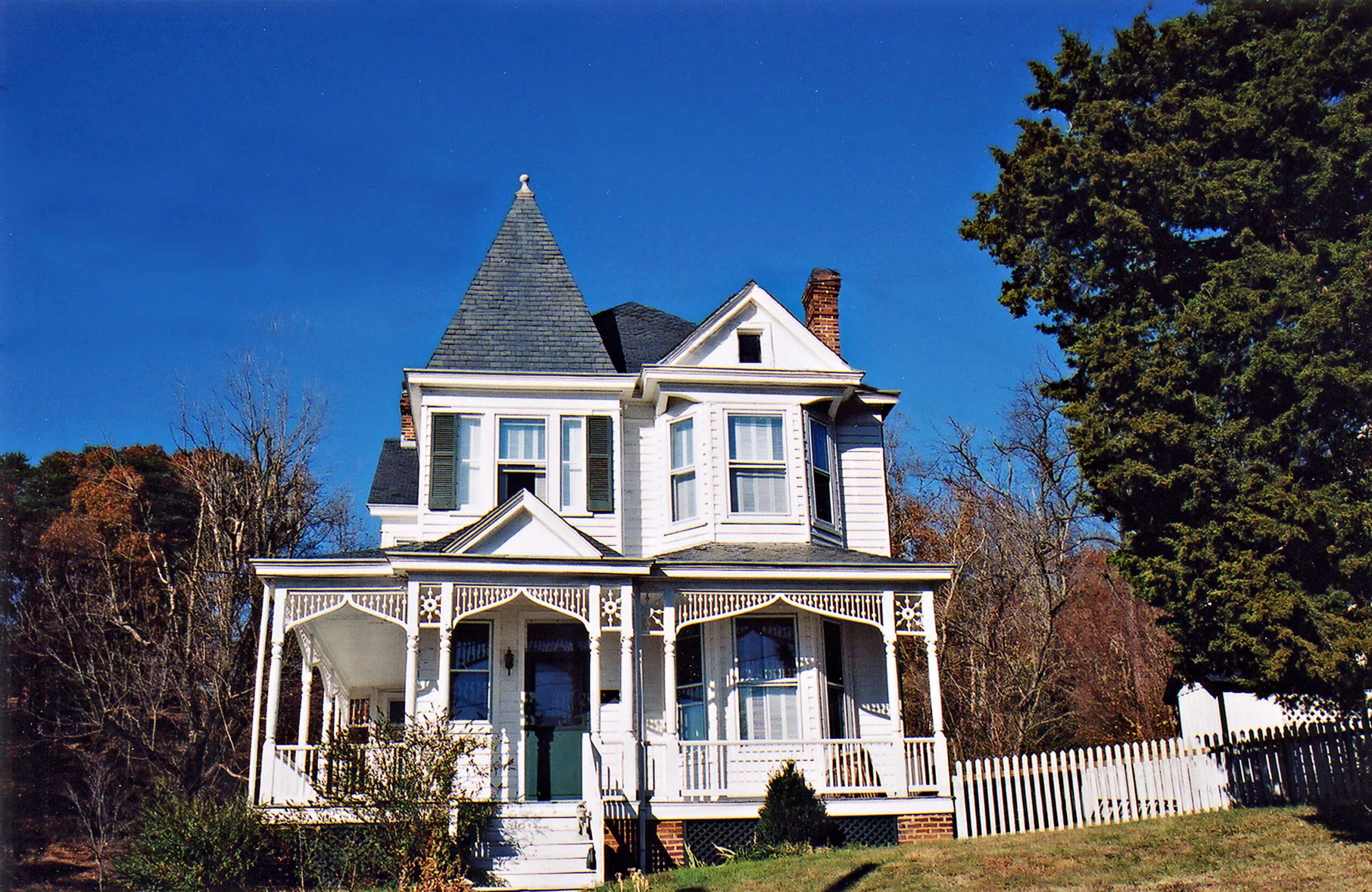
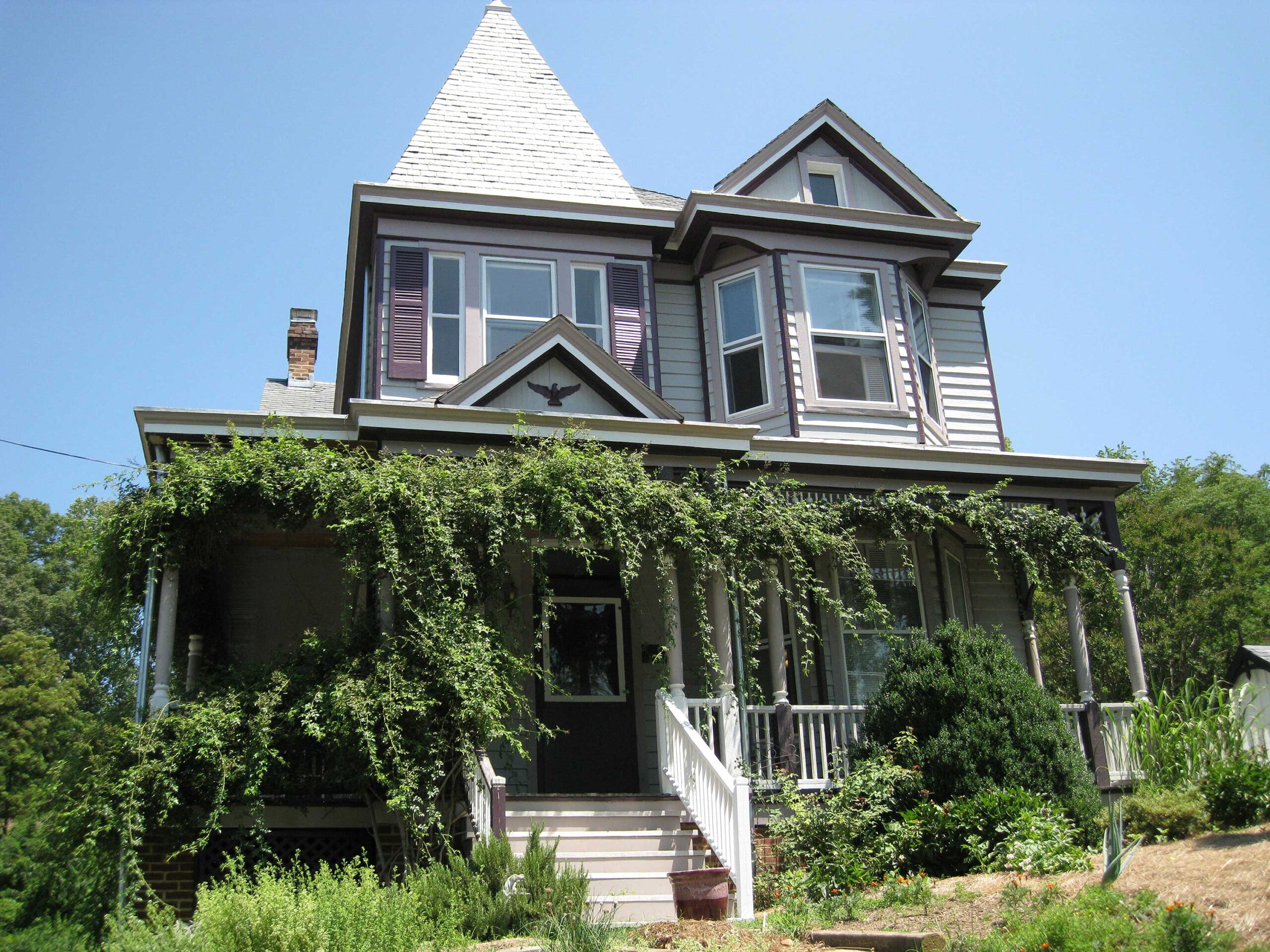
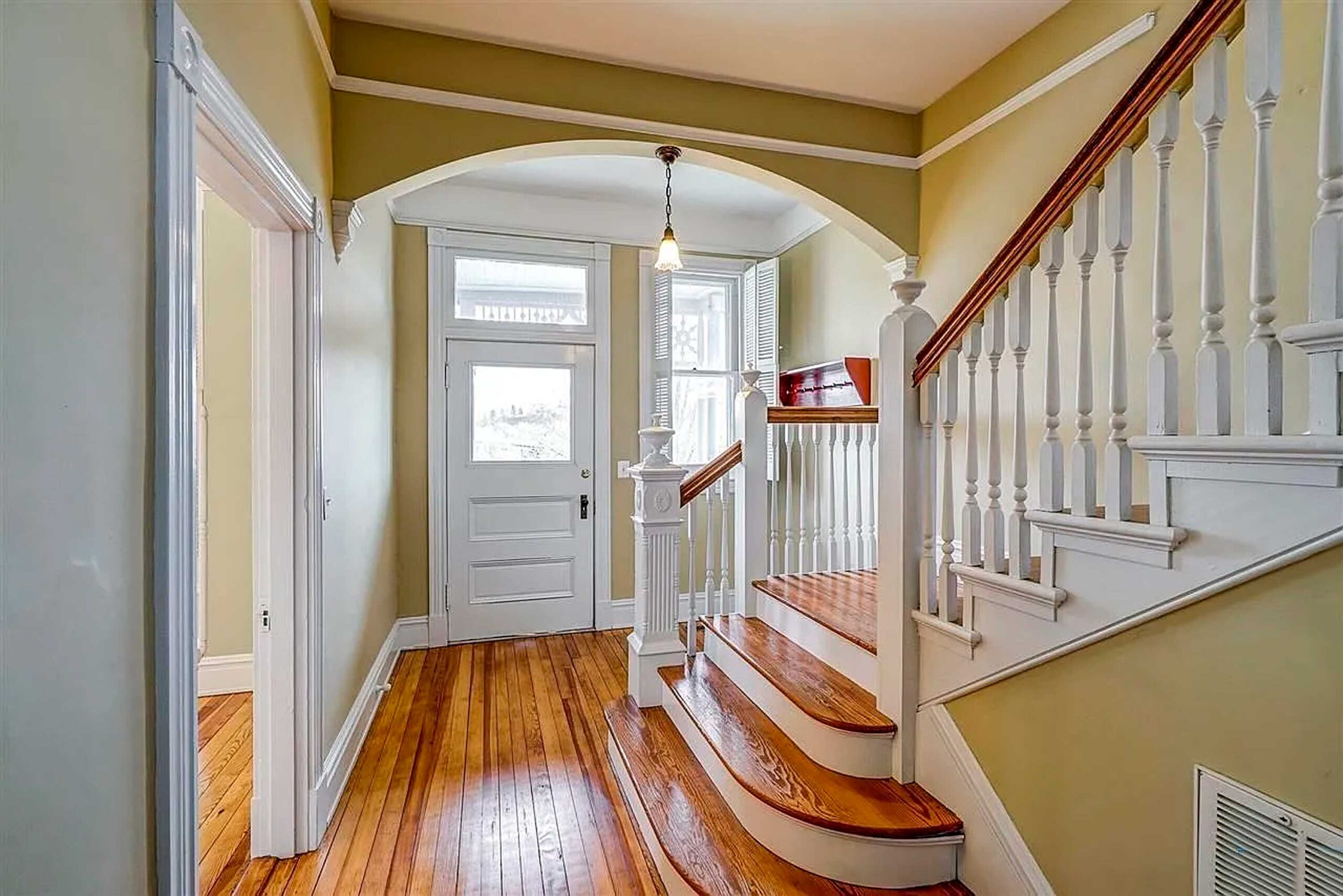
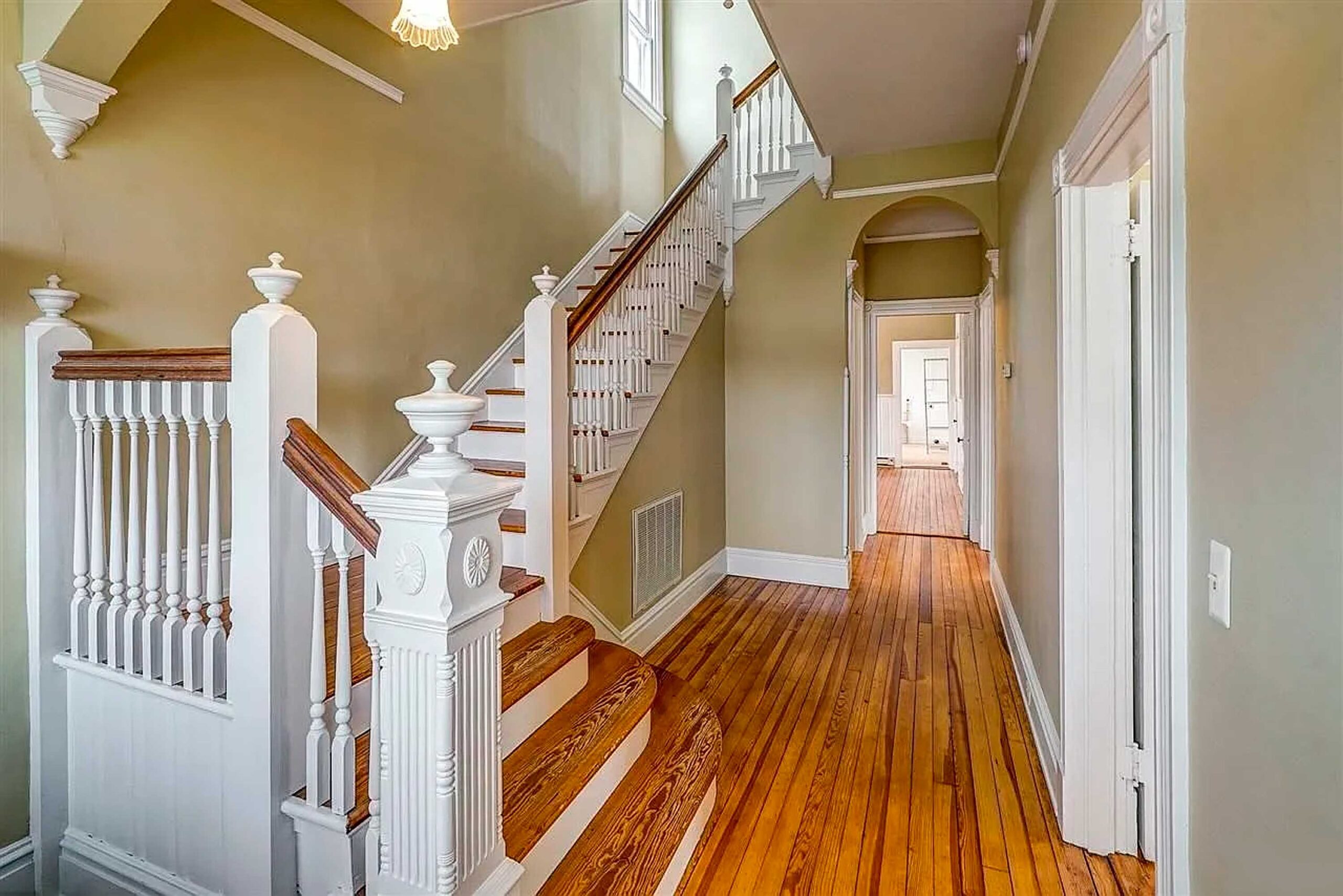
The Terrace is a Victorian-style residence on Scottsville’s Jackson Street, built in 1897 by Dr. and Mrs. David Pinckney Powers.
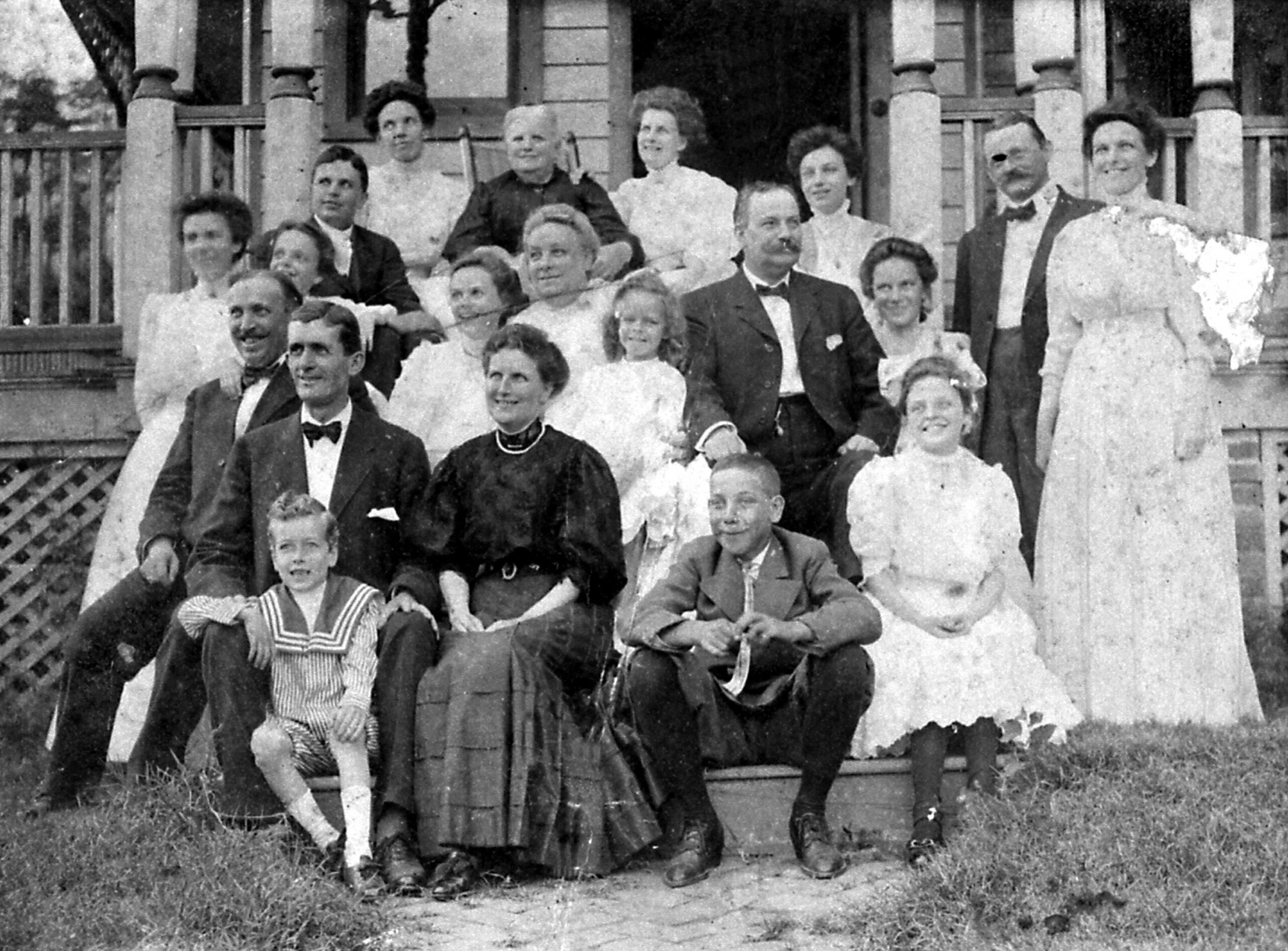
The Powers family in 1912
Later The Terrace became the home of Miss Susie Blair after her retirement as a Professor of Speech and Drama at Hollins College. Susie was the grand- daughter of the Dr. and Mrs. Powers and shared her home with her two aunts, Met and Lucy Powers; Mrs. J.P. (Susie) Blair, Susie’s widowed mother; and Kate Stith, a teaching friend of Lucy Powers.
The home contained an extensive collection of Powers family and Scottsville memorabilia. When Scottsville Museum was dedicated on July 4, 1970, Susie Blair became a member of the Museum board and brought a store house of artifacts and memories to share.
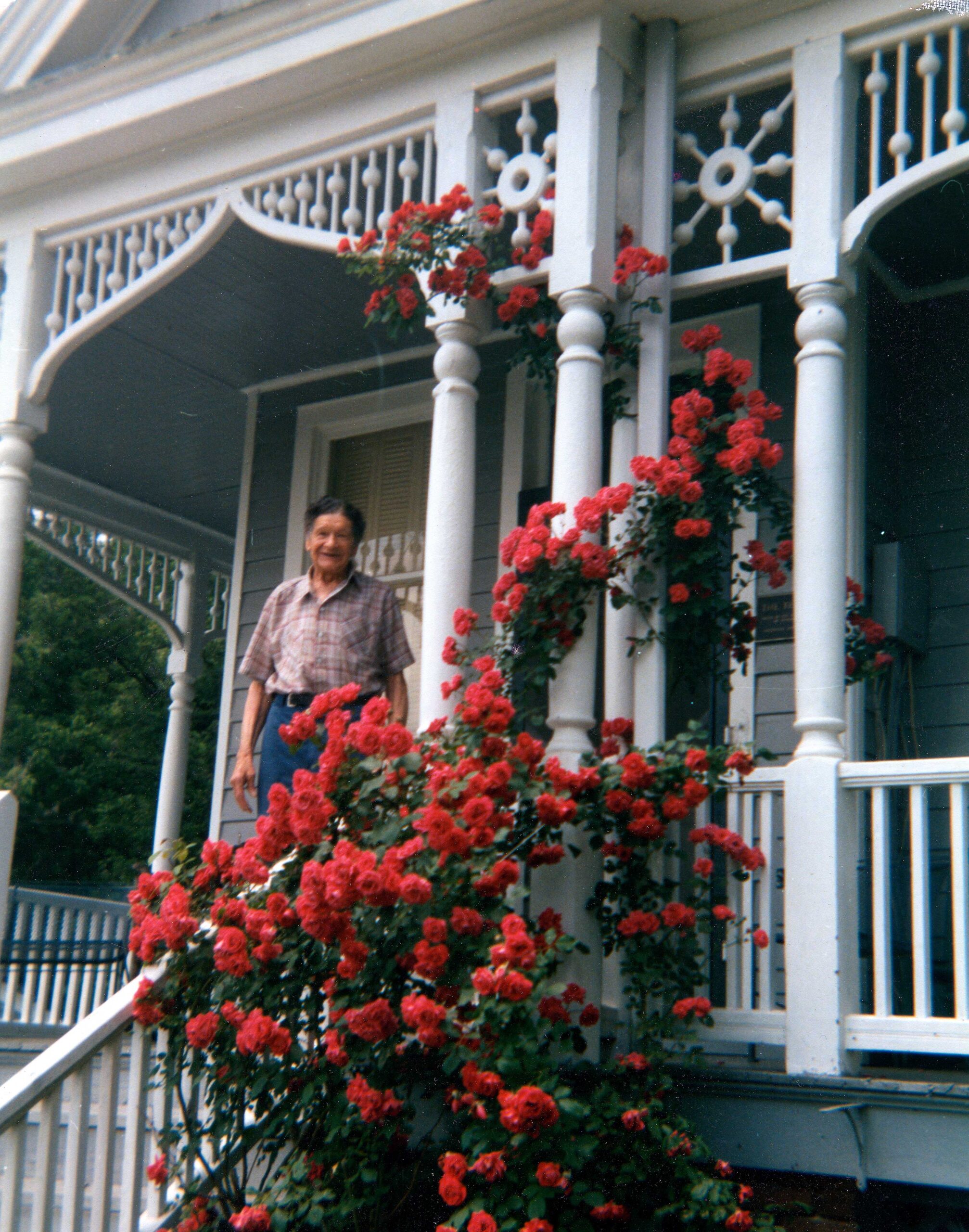
Charles A. Lenaham. Photo by Sam and Marguerite Spencer, ca. 1990The Terrace in 2001, looking very much the same as it did in 1897.The Terrace as it appeared in 2010.
Name: Barclay House Date: ca. 1900 Image Number: B02cdB19
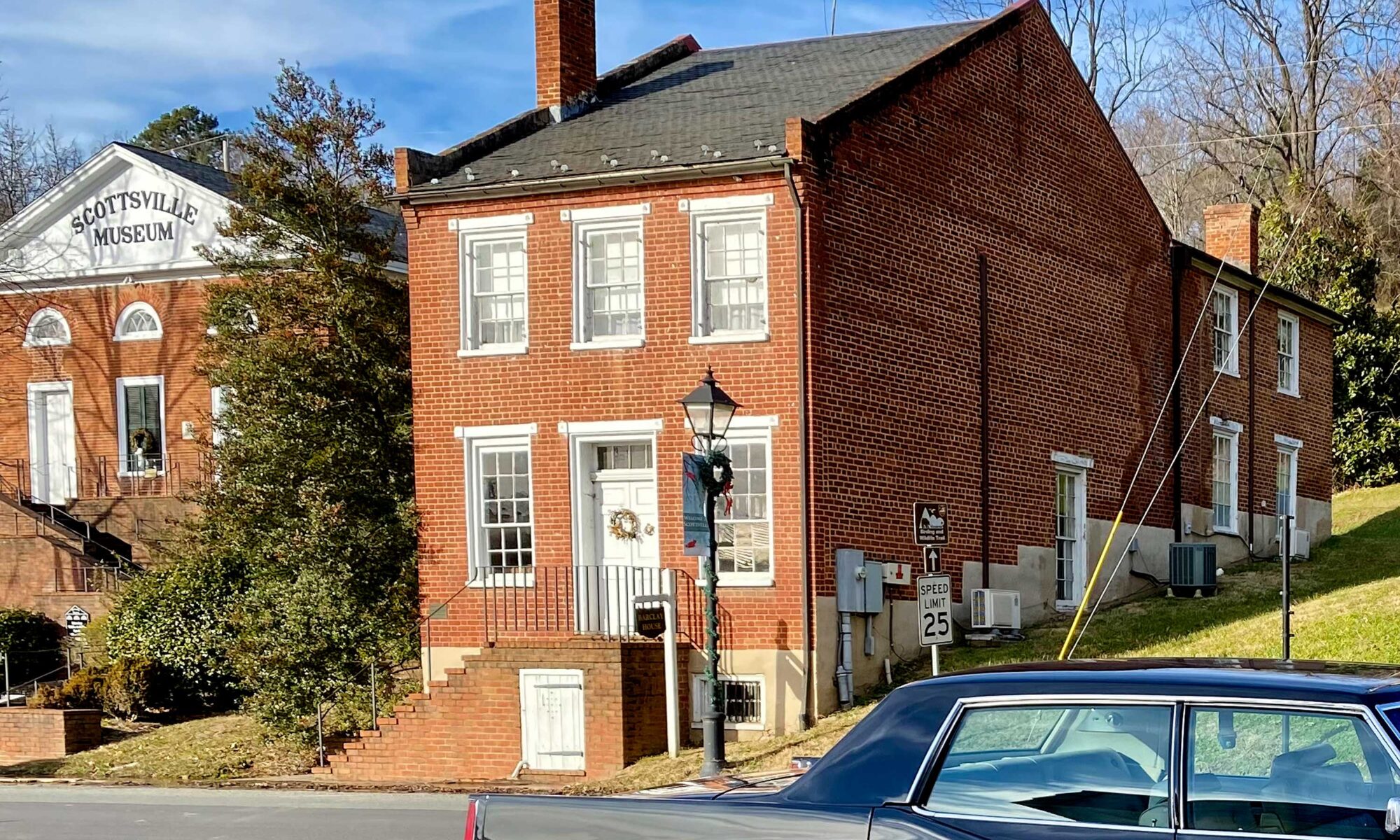
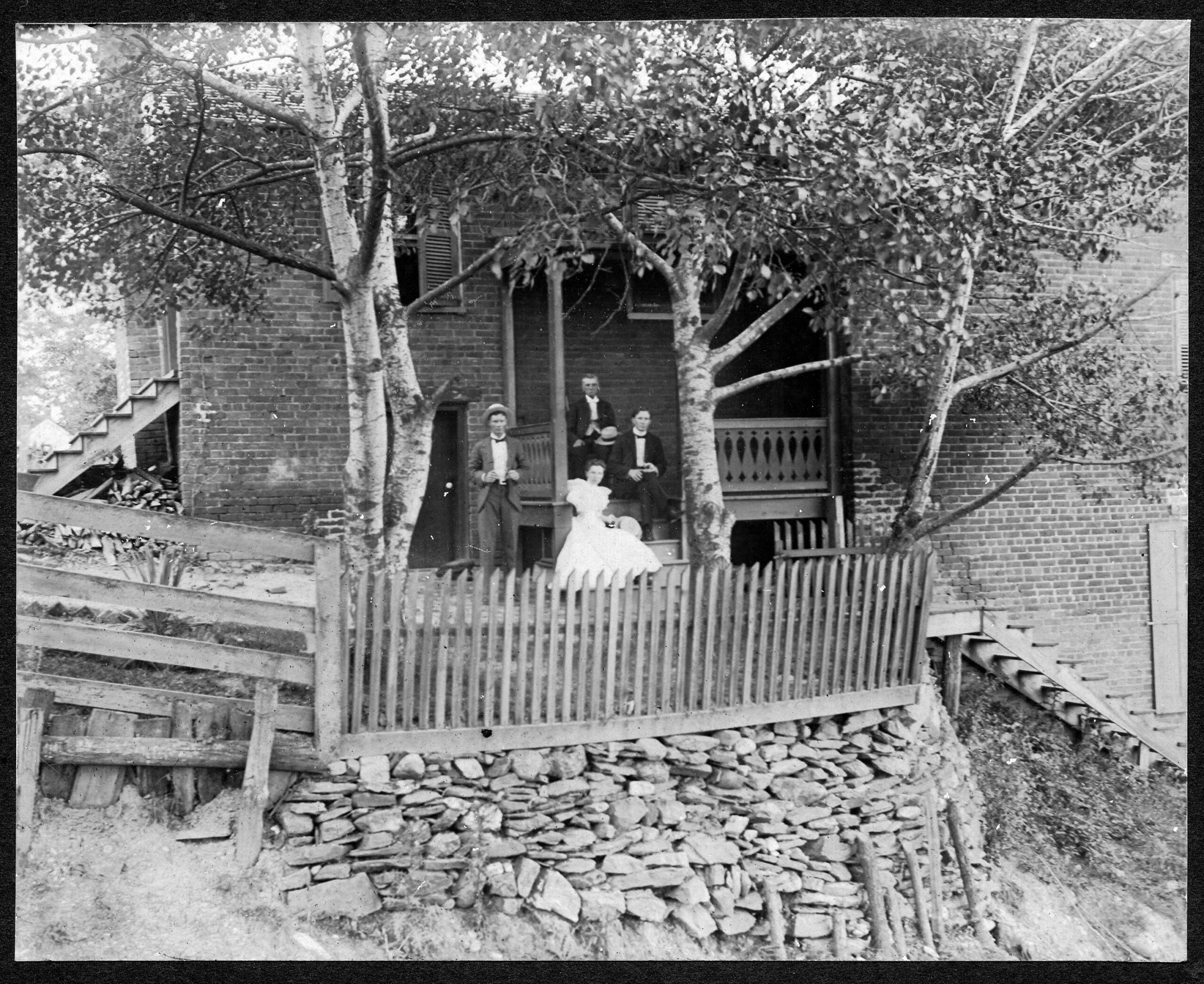
The Barclay House is a small townhouse on Scottsville’s Lot 31 and is next door to the Disciples of Christ Church (now Scottsville Museum) on Main Street. John B. Hart purchased this property without a structure in 1830 and resold the lot six months later for his original purchase price. Later Elizabeth Staples Davis lived here with her family, who are shown sitting on the Barclay steps in this 1900-vintage photo.
On January 1, 1838, Daniel P. Perkins sold Lot 31 with its ‘house and lot on Main Street’ to Sarah C. Harris, mother of James Turner Barclay.
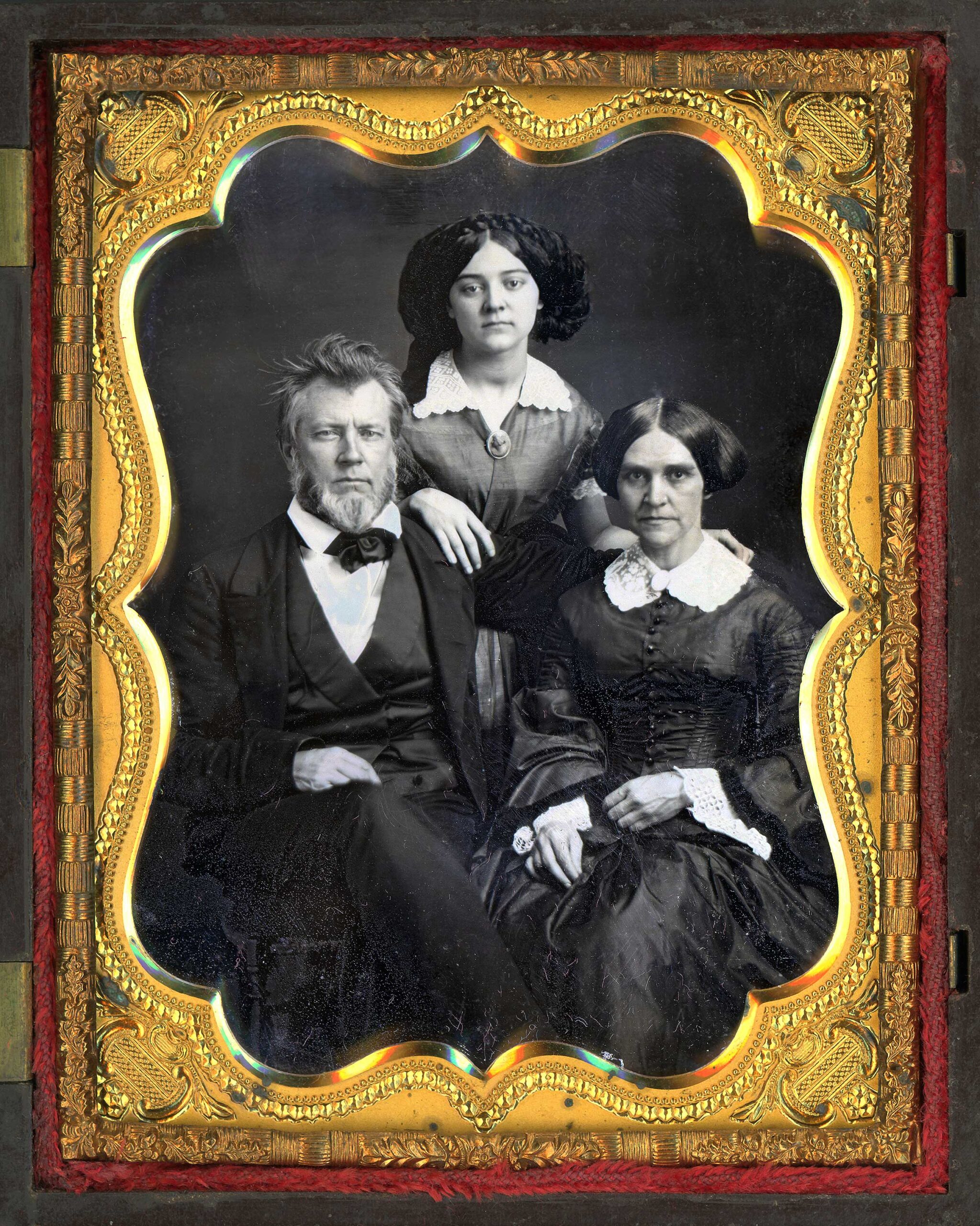
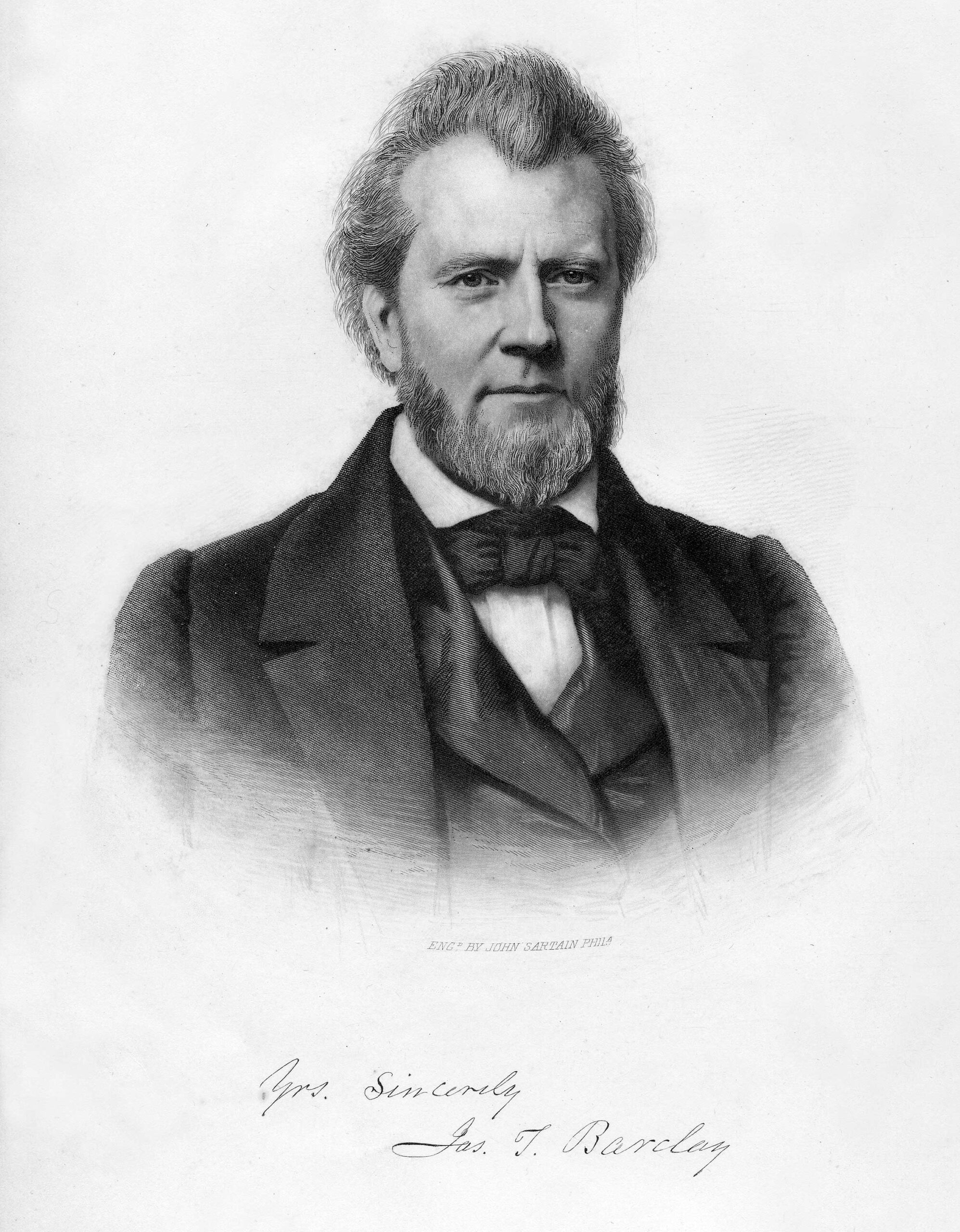
Dr. James Turner Barclay and his family in 1856
By 1850, Dr. James Turner Barclay and his family lived in this house next door to the Disciples of Christ Church where he was its first minister. The house’s side entrance, shown in the first photo, was the front door to the Barclay’s home.
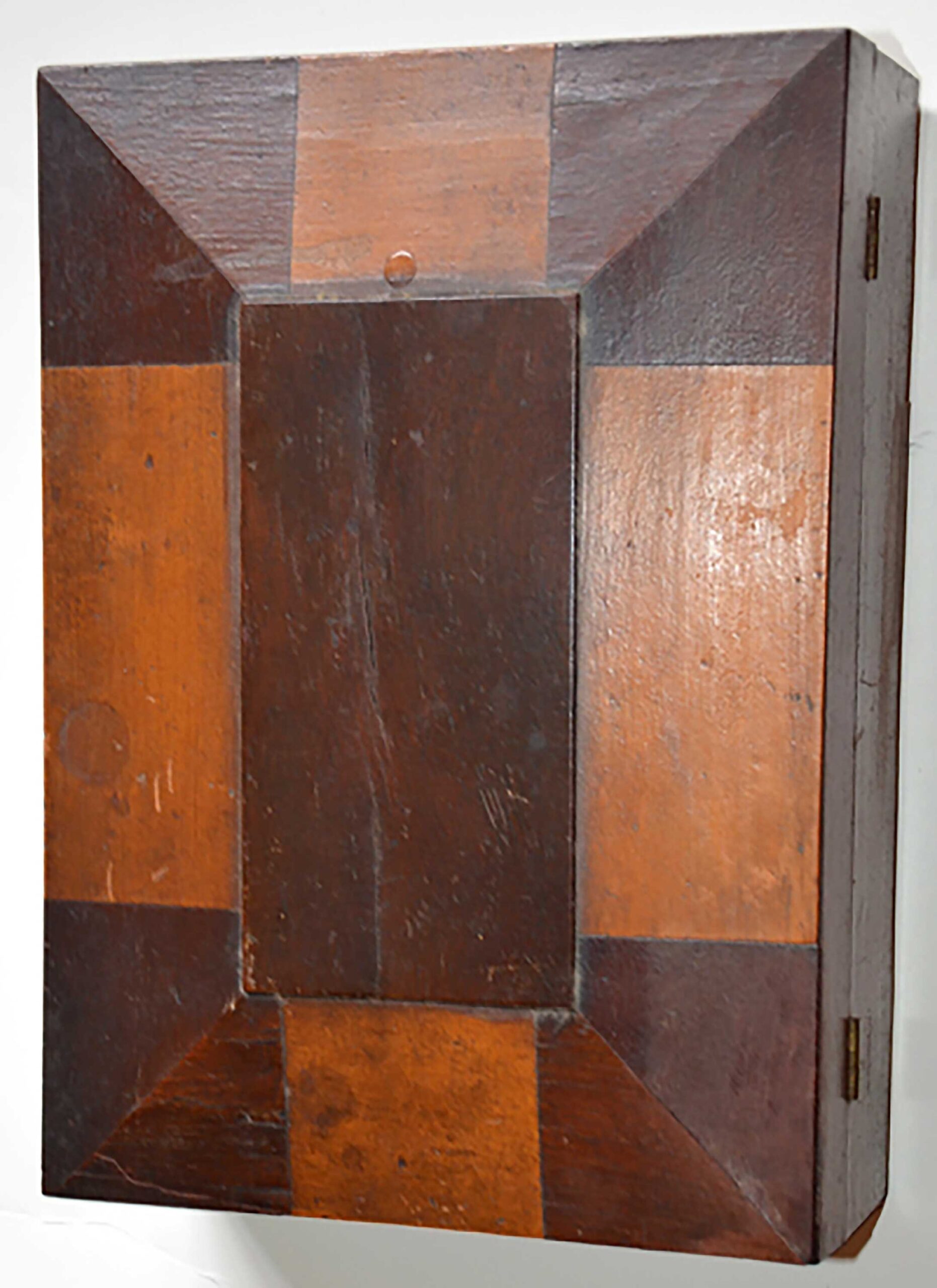
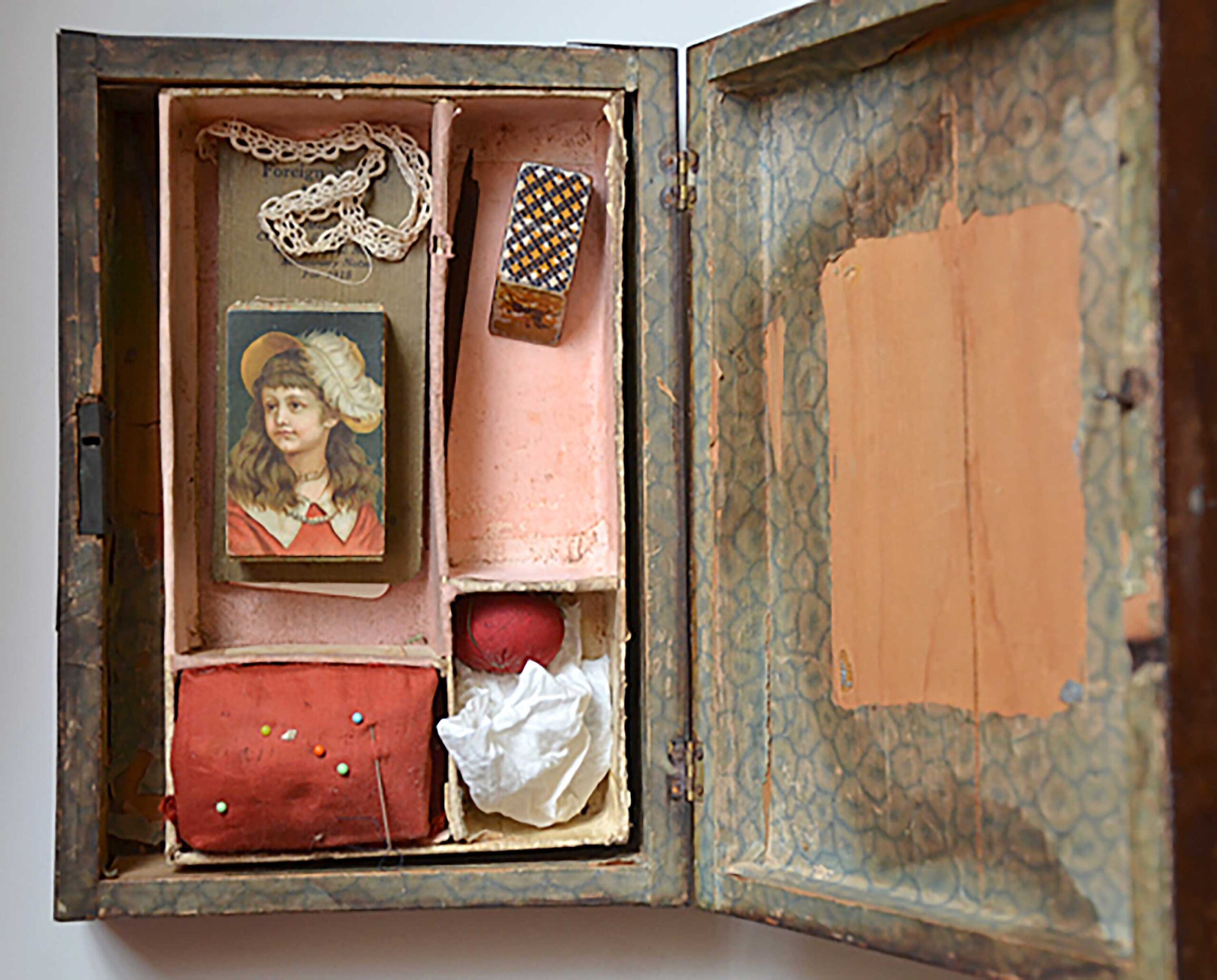
Julia Barclay’s sewing box in the Museum collection
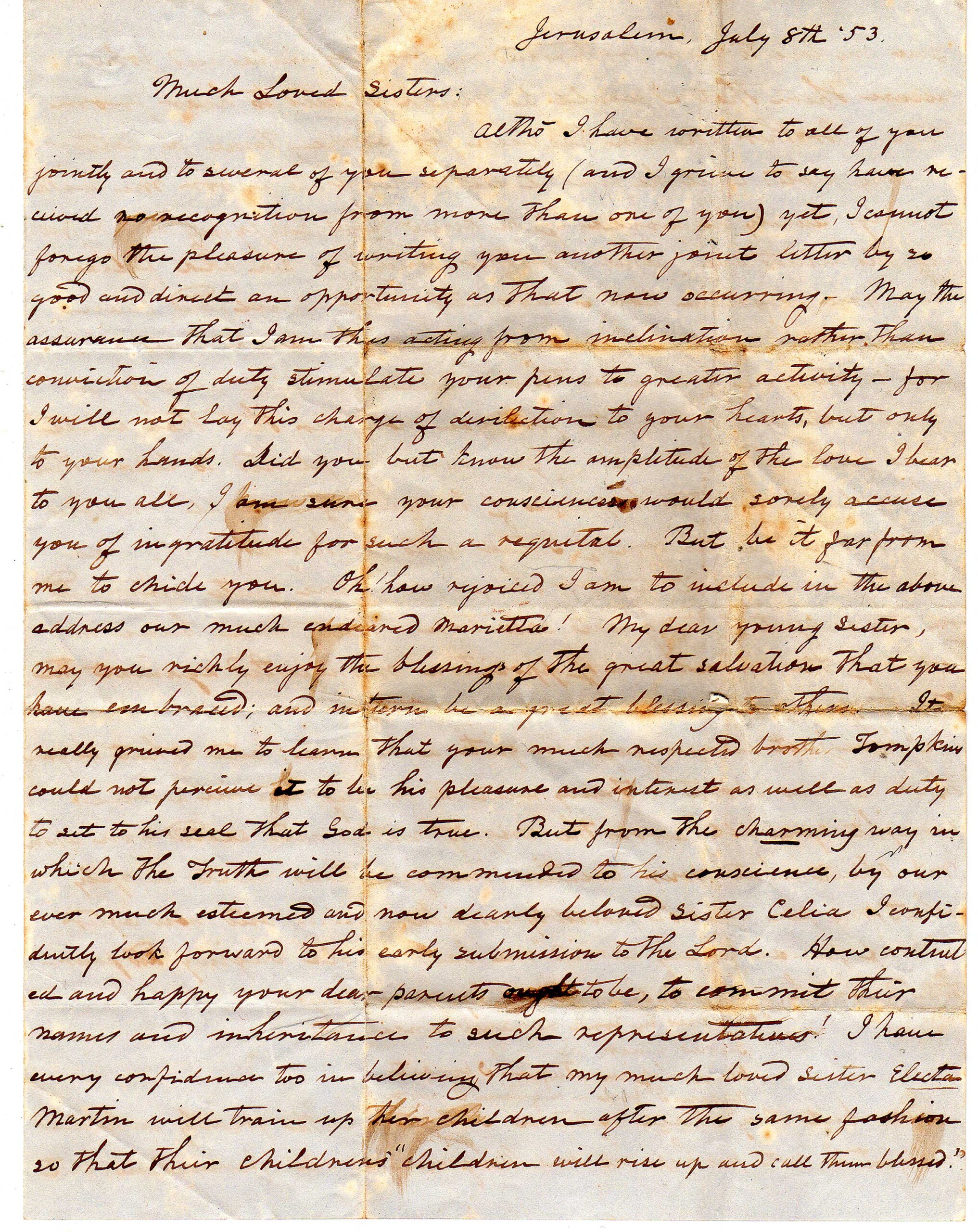
In 1851, Dr. Barclay went to Jerusalem as his Church’s first missionary, and turned over his Main Street home to Thomas Staples, an Elder in the Disciples of Christ Church.
One of Dr. Barclay’s letters from Jerusalem in the Museum’s collection
Today the Barclay House serves as Scottsville Museum’s historical and genealogical resource center.
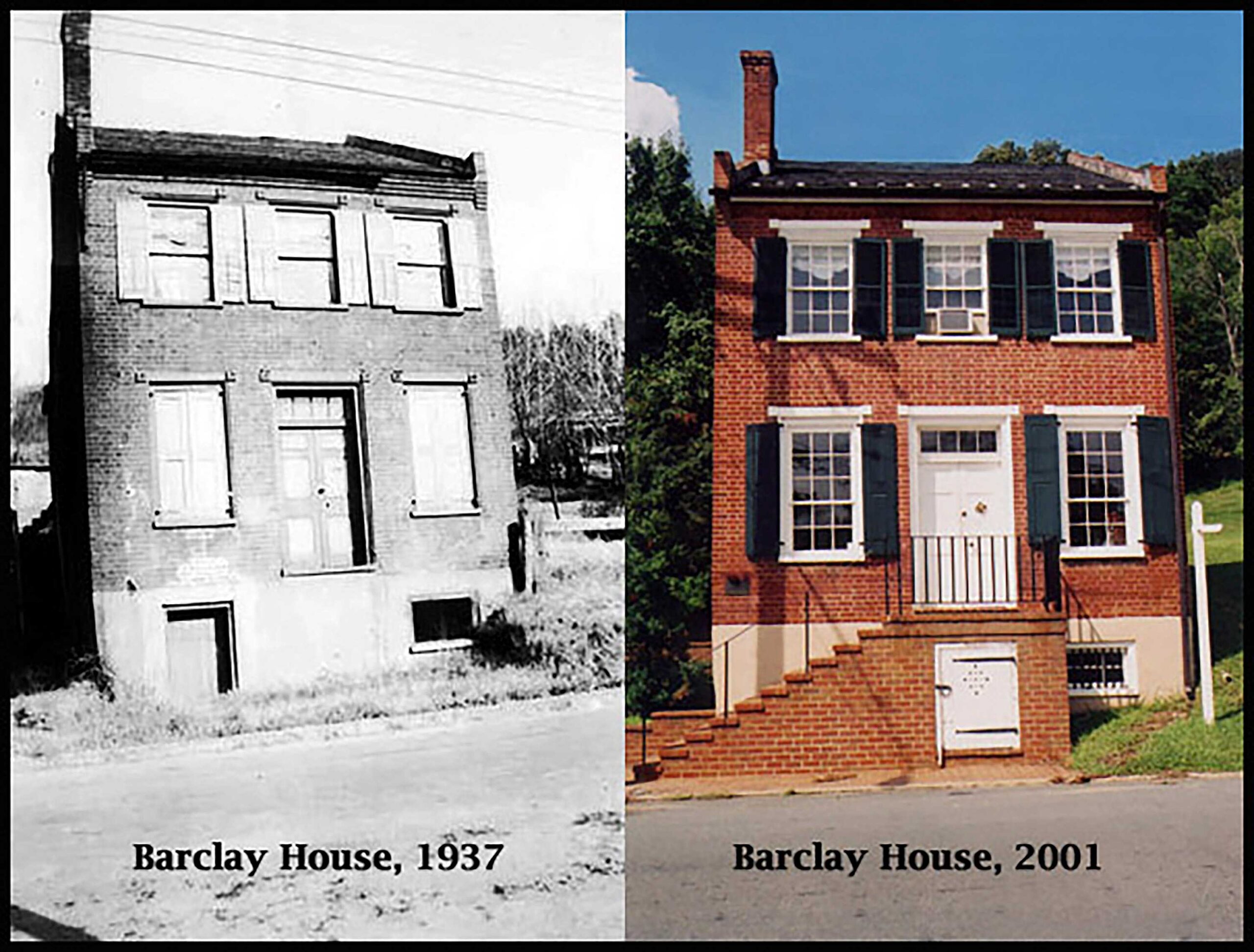
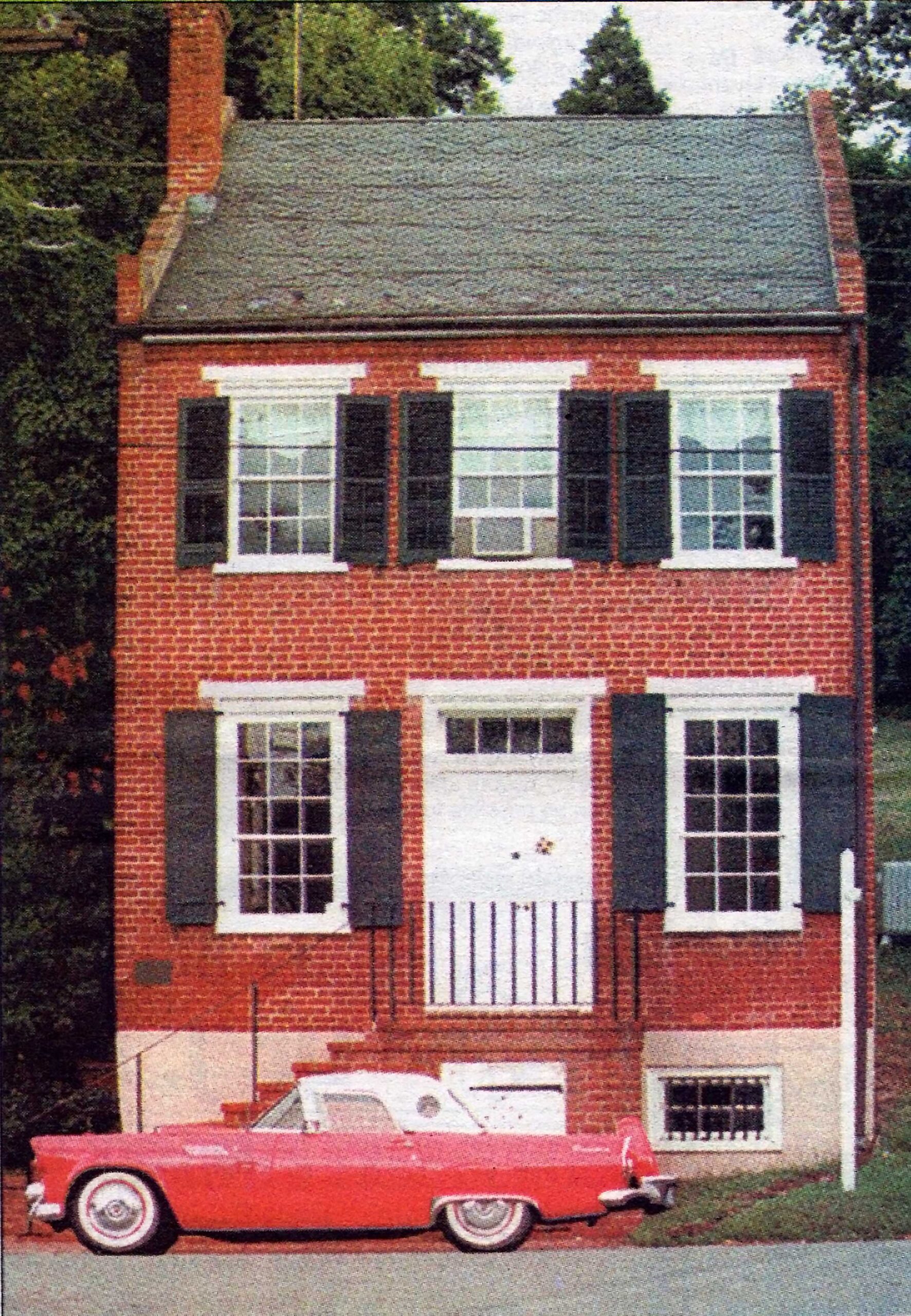
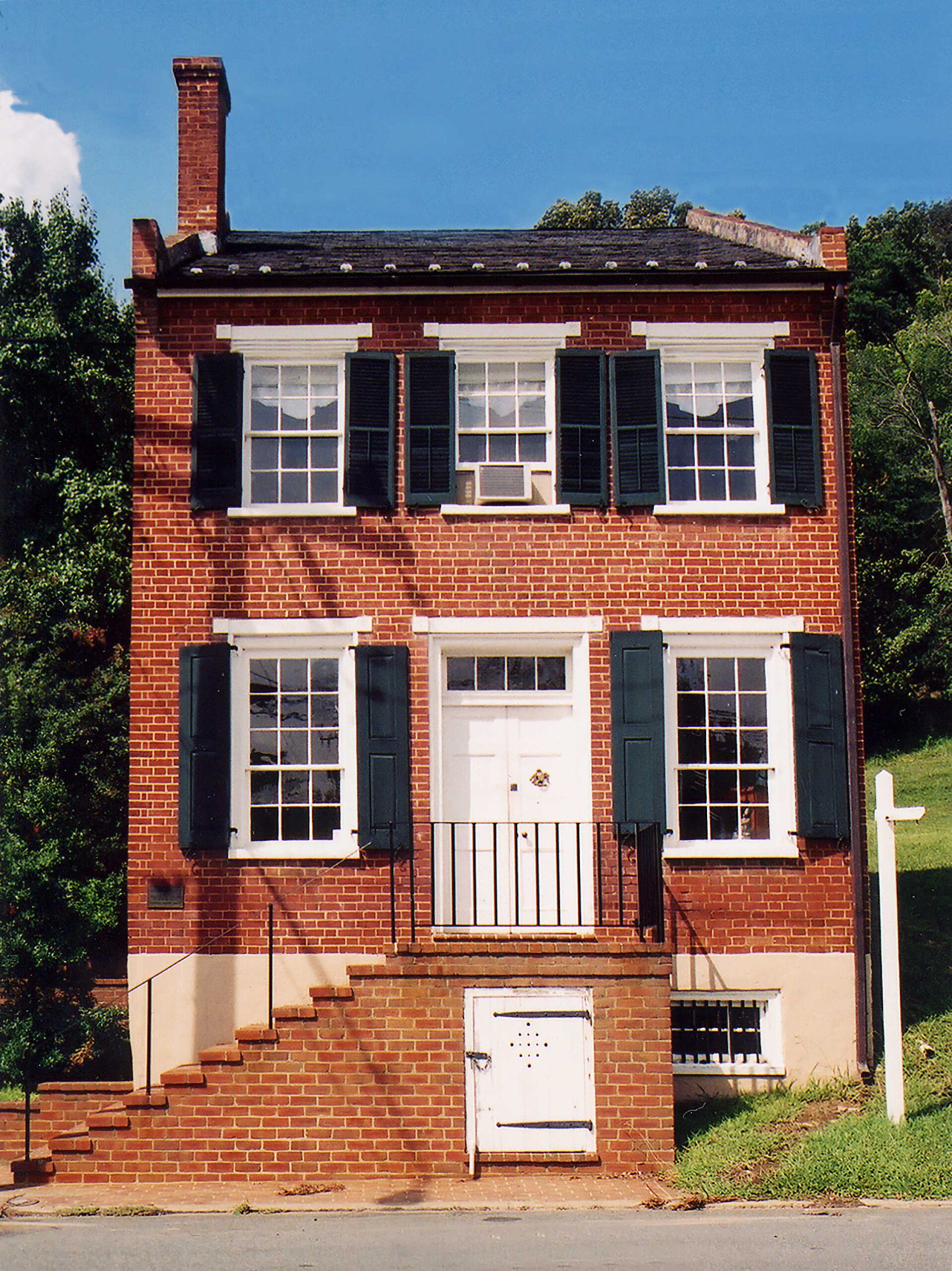
Shown below are photos to compare how the Barclay House looked in 1937 and how it looked in 2001. The 1937 photo is part of the Historical Inventory Report by R.E. Hannum for the Works Progress Administration of Virginia; Record No. VHIR/02/0282 applies at the Library of Virginia, Richmond, Virginia.
The Barclay House, Past and Present
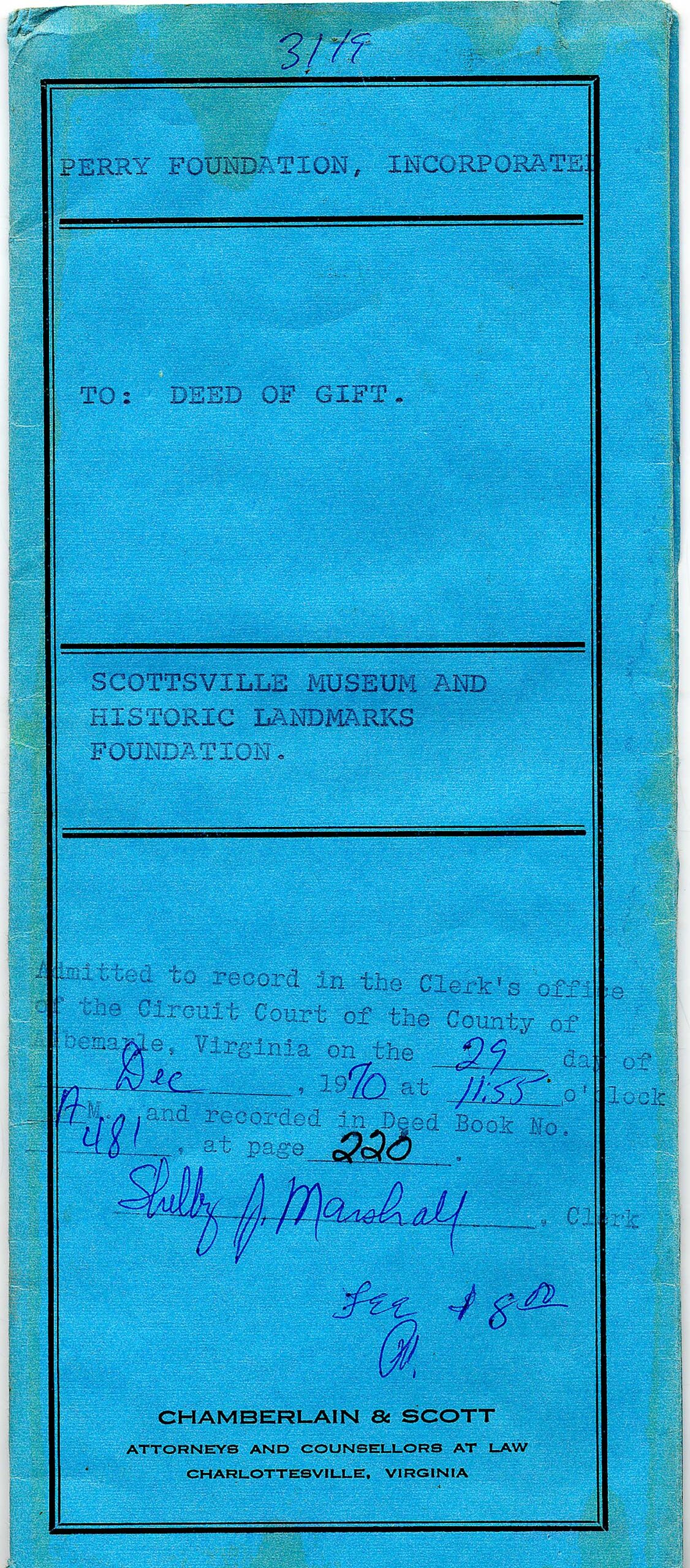
Deed of Gift to the Museum
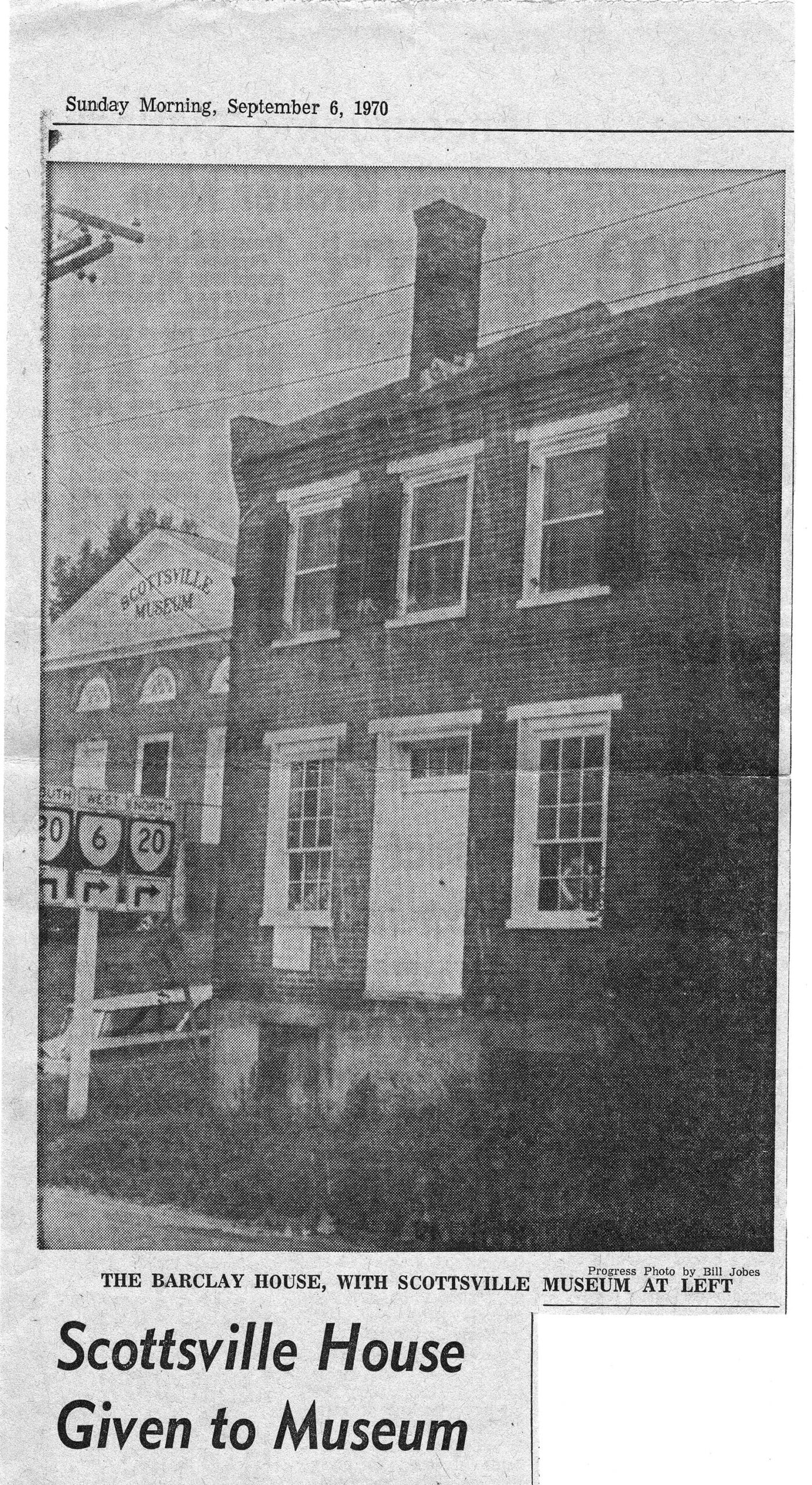
To learn more about how ownership of the Barclay House was passed to Scottsville Museum in 1970 by the Perry Foundation, please read the following article that appeared in the Daily Progress on September 06, 1970:
– • 0 • –
Scottsville House Given to Museum Daily Progress, September 06, 1970
The Scottsville Museum last week received the adjoining Barclay House as a gift of the Perry Foundation.
According to Miss Virginia Moore, a Scottsville author and historian, the Perry Foundation of Charlottesville purchased the house for the museum last week.
The Foundation is holding the title until the museum committee is incorporated and legally able to receive it.
Miss Moore noted, however, that John Wise of the Perry Foundation told her the museum can already consider the property its own as a gift, until the incorporation is effected.
The house was the home of Dr. James R. Barclay, a founder of the Disciples’ Church, which is now the Scottsville Museum.
Barclay donated the land adjoining his house for the church which was built in the mid-19th century.
Miss Moore said that if the adjoining Barclay house were not owned by the museum, and if it were used commercially, it would distract from the museum.
Another party, reported to be an Albemarle County contractor, was interested in the building and was supposed to have been near closing on the property when the Perry Foundation was contacted by Miss Moore on behalf of the museum committee.
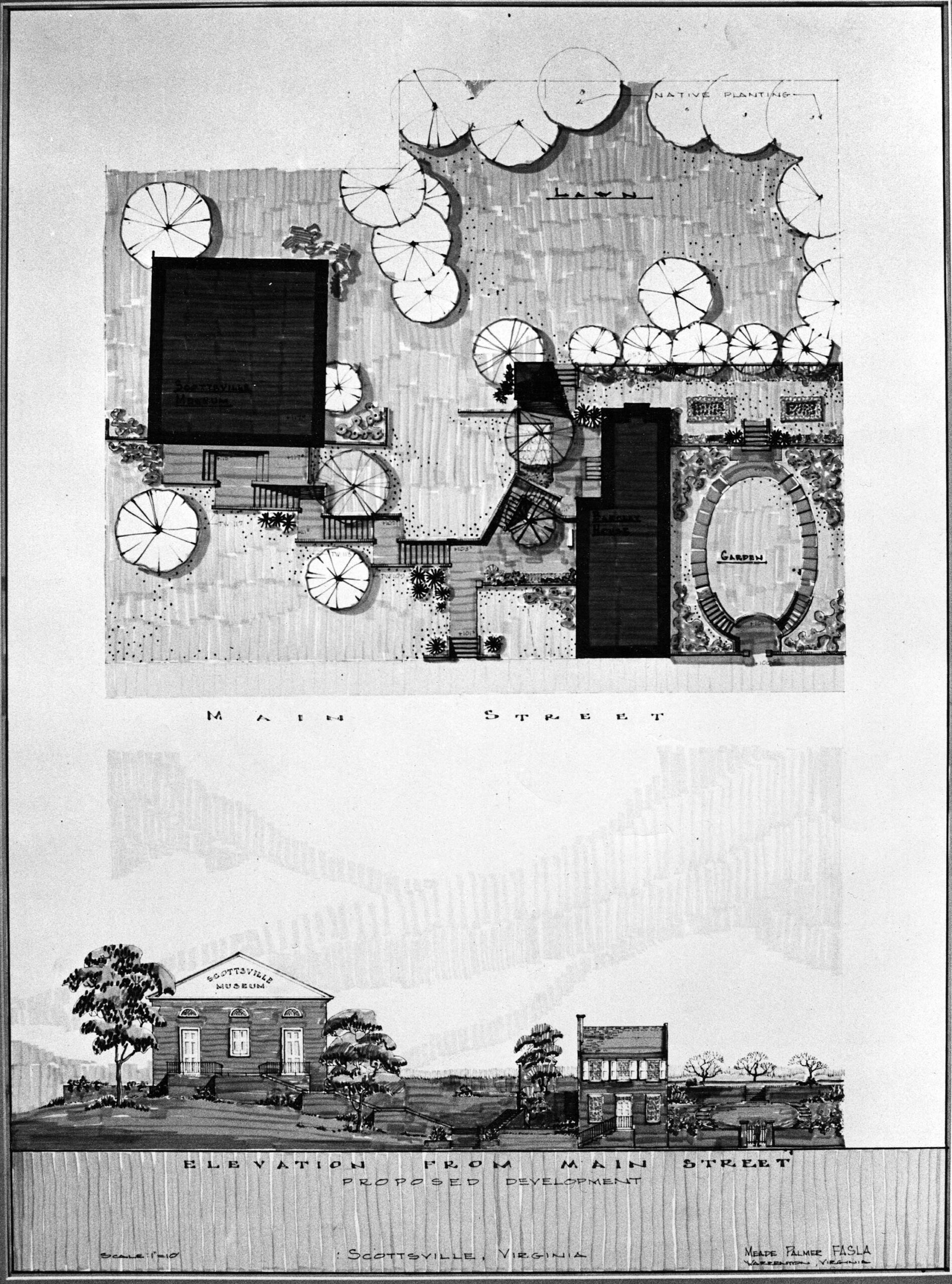
“We hope to landscape the lot and make a beautiful complex out of it,” Miss Moore said.
To meet Perry Foundation requirements, Miss Moore said she drafted an extensive letter to outline the museum’s request and its reasons for wanting the property.
While waiting for the reply of the foundation’s board of directors, Miss Moore said those close to the museum experience “a very tense few days.” The board agreed through unanimous decision to present the building to the museum.
Miss Moore praised the influence of Francis Duke, whose writings in a recent issue of the Albemarle Civil League bulletin outlined the need to preserve historic buildings in Scottsville.
Scottsville Mayor Raymon Thacker expressed excitement at the news of the foundation’s action and a hope that more of the town’s old structures can be restored and preserved.
According to Miss Moore, the museum committee hopes to completely restore the Barclay house. Plans are already formulated to add lateral steps in the front of the building.
She said the museum and Barclay house should be considered an asset to all of Albemarle County, not just the town of Scottsville.
The Barclay house was constructed prior to the museum building, which was built in 1846.
– • 0 • –
In 2000, heavy rains came, and water and mold damaged the Barclay House. The Scottsville Museum undertook the repair and renovation of this historic building to prepare it for use as the Museum’s resource center for genealogy and area historical research. To learn more, please read the following article by Laurel Greene, which appeared in The Rural Virginian on August 08, 2001:
– • 0 • –
In Scottsville: Barclay House Being Renovated By Laurel Greene, The Rural Virginian, August 08, 2001
Restoration of shutters and stoop made a difference in this 2001 photo of the Barclay House compared to the 1937 photo of it at left above.
“The present is a fine line between the past and the future.”
Too often too many people try to walk that fine line
Fortunately Scottsville has a number of folks with two-way vision – past and future. One of those people is Gwynne Daye, current president of the Scottsville Historical Museum. Daye has a passion for the museum, and particularly for its current big project, renovation of the Barclay House.
The Barclay House, which correctly should be called the Hart-Barclay House, is rare. It is one of the few “one-third” town houses in the county.
John B. Hart bought the property in 1830, but there is evidence of earlier construction there. Dr. James Turner Barclay purchased the house in 1850 for a home and built the church next door, which is currently used as the Scottsville Museum. Barclay at one time owned Monticello
The house is historically significant, and Dr. K. Edward Lay brings all of his architectural students out to view the west side wall which shows a rare three-course American Bond pattern, changing to a five-course American Bond pattern at the second floor.
Last year the Barclay House was the office of local attorney, Bill Meese, but then the rains came, and water and mold.
Backed up against a ledge, the building was subjected to water seeping in, damaging brick, mortar and plaster, floors and walls.
Because the museum owned the building, its Board of Directors, working with Meese, decided it was time for some big changes. Meese relocated his office to the 400 block of Valley Street, and the museum board rolled up its collective sleeves to get to work.
Board members spent a lot of time determining how best to use the space. The house has been used by several families, a second-hand shop, and most recently, a law office.
Daye and other board members toured other historical museums in the state and interviewed directors and archivists in Virginia and Maryland before deciding how best to use the space. They decided on a resource center for those investigating Scottsville history or genealogy.
Its new reincarnation, then, is as the resource center and storage center for the Scottsville Historical Museum.
The new resource center will house an area for genealogy research as well as area historical research. The Board of Directors is currently working on the usage policy for the public.
But first there was the water damage to deal with.
The board called in Robert Dana, a fine furniture and cabinet maker with a strong interest in restoring historic buildings. He currently owns and is working to restore the Canal Warehouse (Tobacco Warehouse) in Scottsville.
Dana inspected all of the Barclay House’s original beams, studs, and flooring for damage done by seepage. He repaired and replaced rotten trimming and woodwork. Rotten floors were replaced with random-width pine flooring.
Molding was copied and recreated. Central air and heat were installed.
A new interior paint job made the building bright and cheerful.
Work on the building continues. The building has its original rafters and studs, but needs a new roof. That’s a big need.
There’s also a small need – the Barclay House front room needs a chandelier in keeping with its time period. Anyone having a chandelier that would be appropriate to that period house, preferably from a Scottsville area home, is asked to contact Gwynne Daye.
Donations to the museum, whether a chandelier or funds for the roof project, are tax deductible.
Two fourth-year University of Virginia students, Devan Kirk and Andrew Curley, are working as interns at the museum this summer. They have spent numerous hours listing photos and letters the museum owns, scanning them into computers.
They’ve spent hours with former Mayor A. Raymon Thacker examining his Burgess photo collection, identifying people, buildings, and events photographed. They are beginning the collection of oral history. They are writing grants.
The long-term vision is this: a visitor walks into the Resource Center and says, “I’m related to a Mr. Harris. What can you tell me about him?”
At the Resource Center, the visitor would be able to read about Mr. Harris, see a picture of him at the opening of the Post Office or from his high school class graduation picture, and pull up a map showing where his home was located.
Pretty heady stuff for a small town. And this is just the beginning of the vision.
Top Image Located On: Capturing Our Heritage, CDB19 B02cdB19.tif B02cdB19.jpg B02cdB19.psd
Second Image Located On: Virginia Historical Inventory, WPA, 1937, Library of Virginia, Richmond, VA VHIR/02/0282.tif VHIR/02/o282.jpg VHIR/02/0282.psd
Third Image Located On: Capturing Our Heritage, CDCG01 CG20cdCG01.tif CG20cdCG01.jpg CG20cdCG01.psd
Fourth Image Courtesy of Sherry Rhodes, The Rural Virginian, Charlottesville, VA.