Modern navigation is a true wonder. Satellite mapping and imagery, GPS, digital charts, crowd-sourced sonar bathymetry, and the shareability of the internet, all make even detailed local knowledge available to anyone. Even with all that, though, reality still imposes limits.
Doug spends many winter nights carefully plotting courses and stopovers using all available tools for the coming season. But even the best information can become stale and outdated before you have a chance to use it. A single storm can change the location of channels and shift shoals overnight. This is especially true in the shallow waters of the southern coast, where sandbars swept by strong tides can snake offshore for 10 miles, and inlets will open and close suddenly in really big storms.
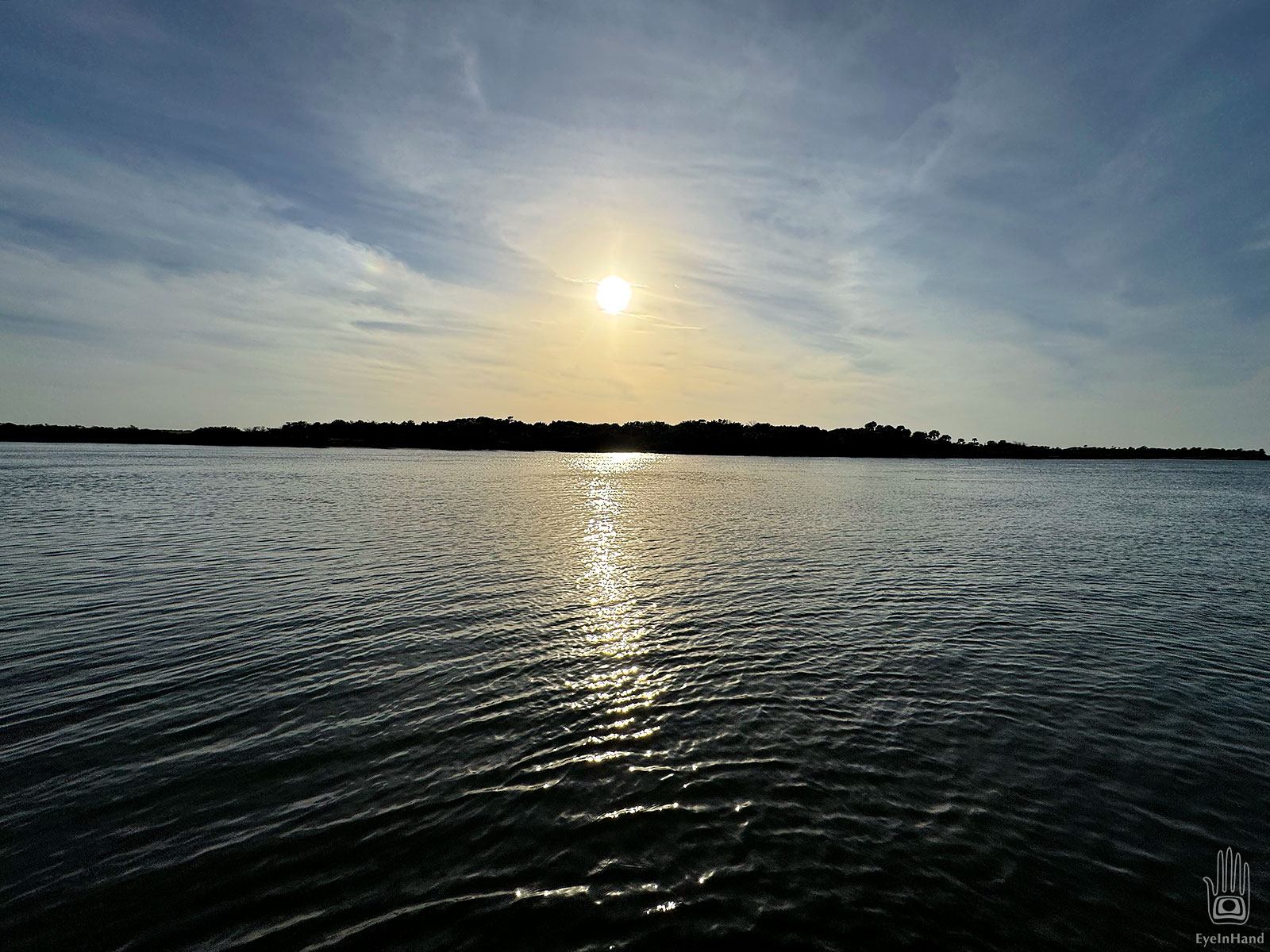
Pellicer Creek beyond the sandbar
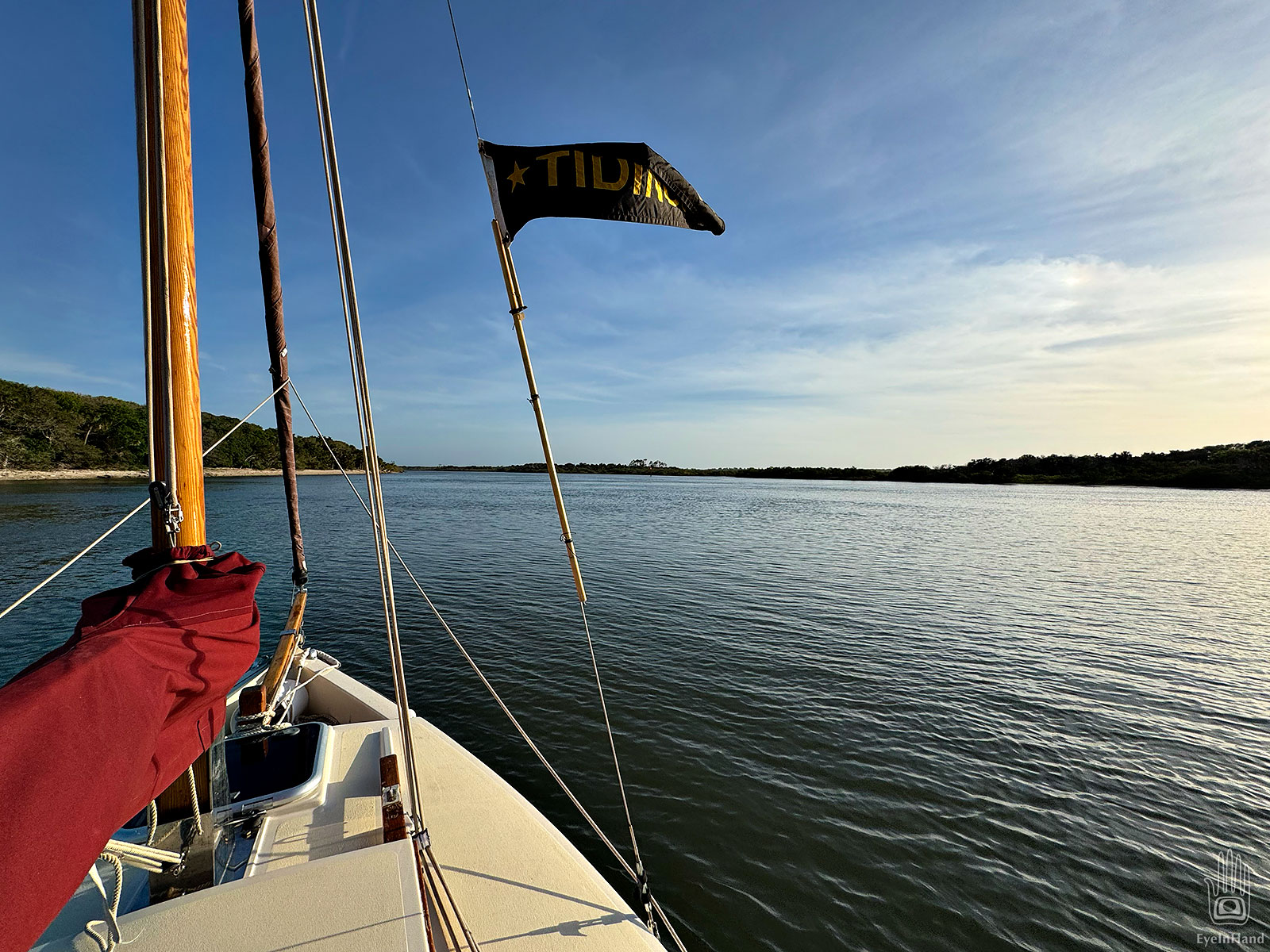
The spot chosen to anchor for the night is a side creek just outside the ditch, just inside the Princess Place Preserve, where a string of small islands separate the ICW from a broad expanse of open water called Pellicer Creek.
Notes in the chart book from other boaters recommend it as a good anchorage, with 6 feet of water outside the channel. Tidings only draws 2 feet with the board up. Easy peezy. But just to be safe, Doug lowers the motor to idle, reducing our speed to around 1 knot. He has me steer between two islands for the open water while he watches the depthfinder.
Just after daybreak. It’s almost time to shove off and I have to find a hat. It’s technically still Spring, but the sun here is blazing hot, relentless, and I don’t have a good hat. Couldn’t figure out how to pack one in the carryon for the flight. This is my quest, to be completed before breakfast. I have thirty minutes. I will fail.
Stowage on Tidings is super tight. No room for suitcases, just one collapsable duffel. Everything I can bring for the next three weeks has to fit in a ten gallon cooler box. (And a doctor bag of tech gear, on special dispensation from the captain.) I could not figure out how to pack my favorite straw hat. Figured, “It’s Florida, right? Lots of hats down there. You know, for the tourists.”
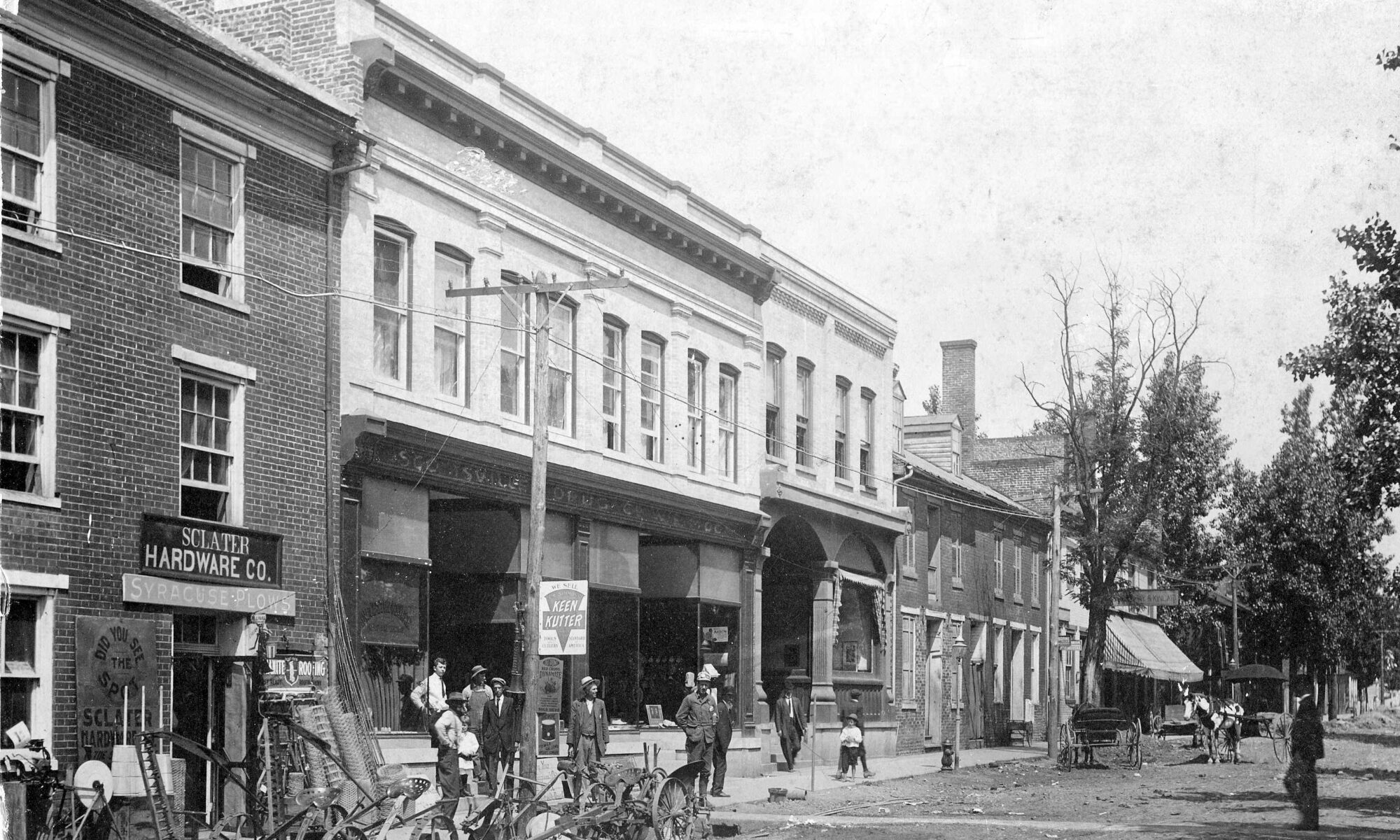
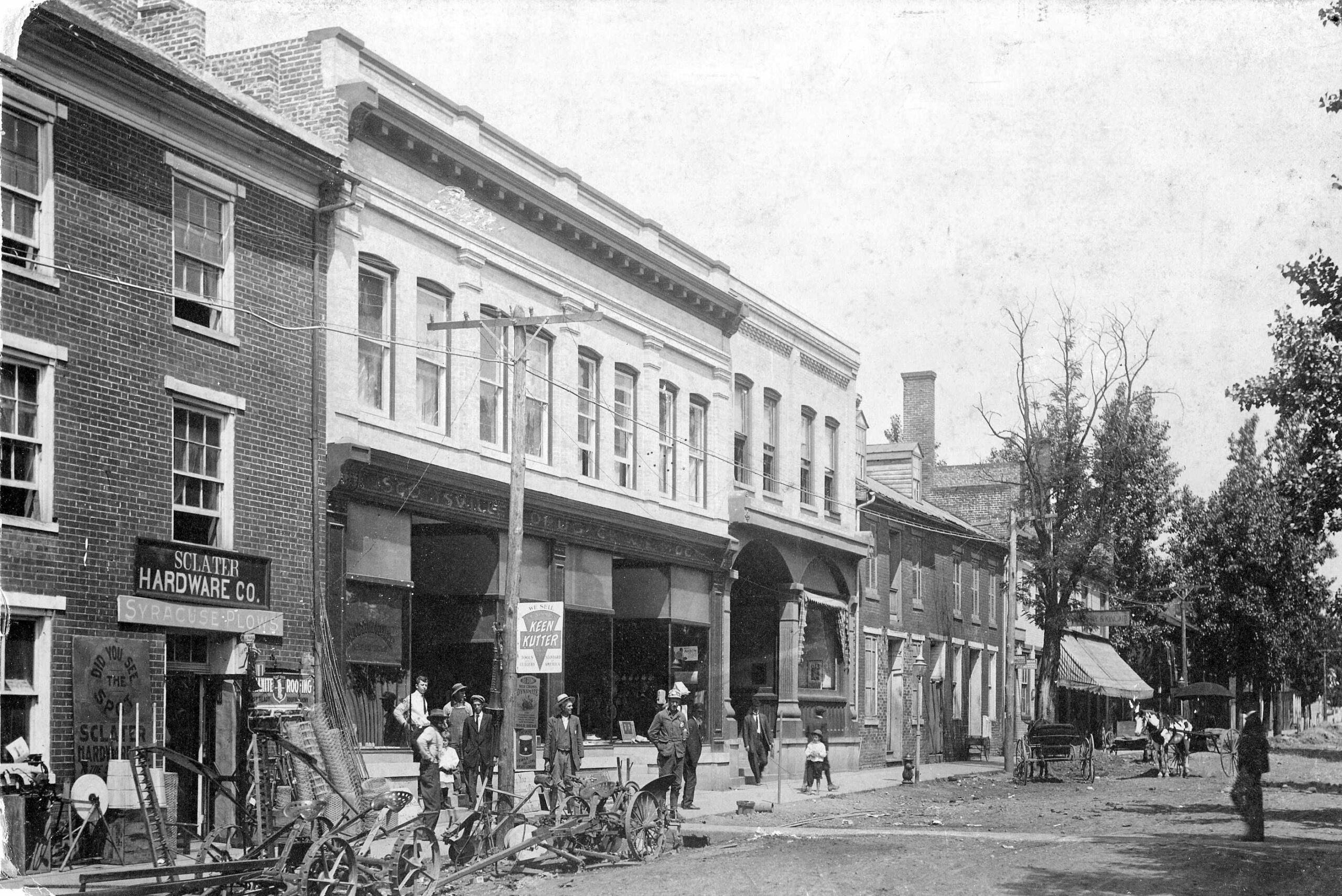
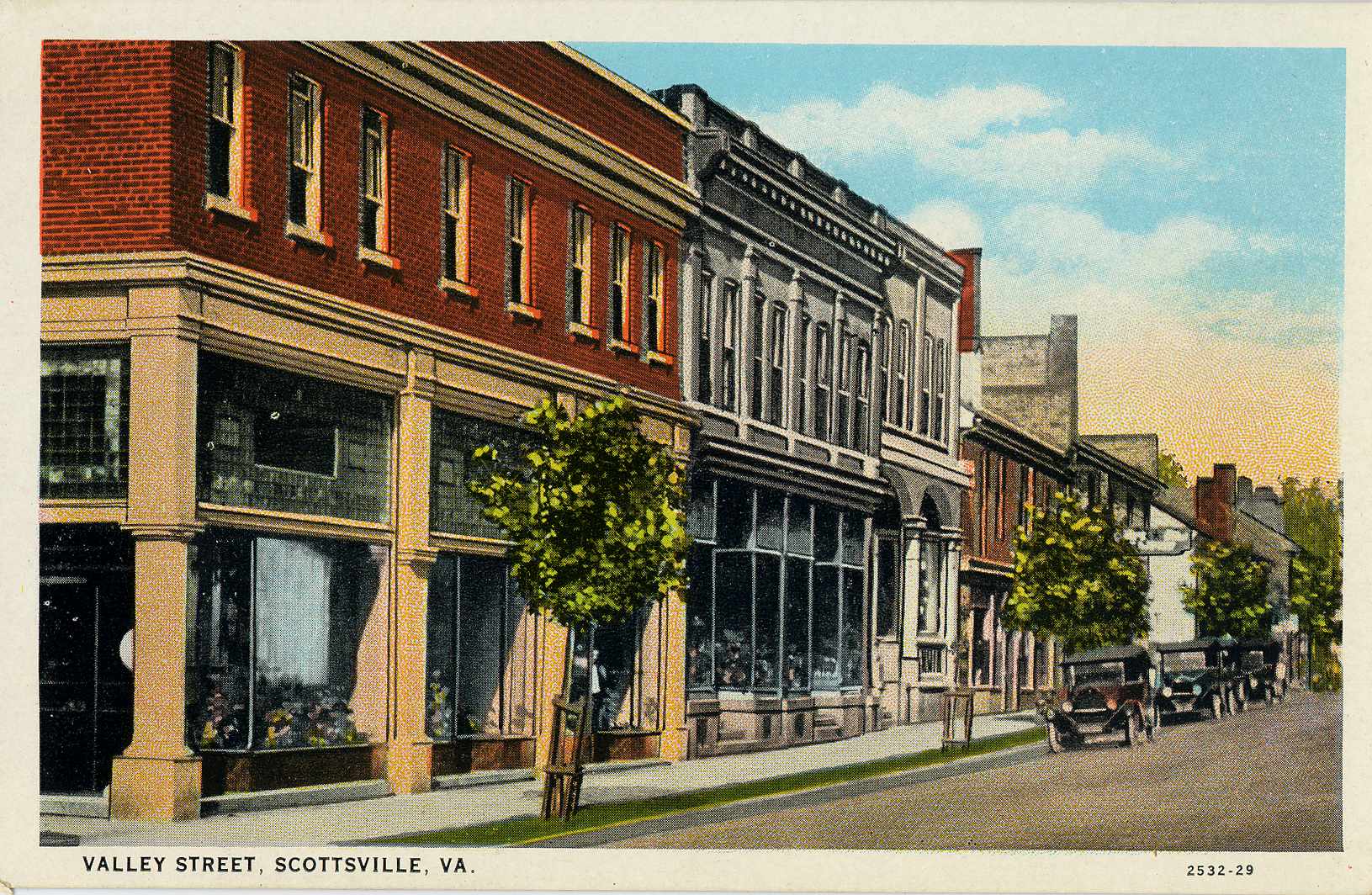
Constructed around 1910 by J.L. Pitts, this was the site of the Scottsville Drug Company, started by Thomas Ellison Bruce, the first pharmacist in Scottsville.
Many businesses have operated at this location over the past 100 years, including general mercantile and several restaurants. From 2010 to present (2026) it has been home of Farmstead Ferments, an active supporter of the farmers market and the local community.
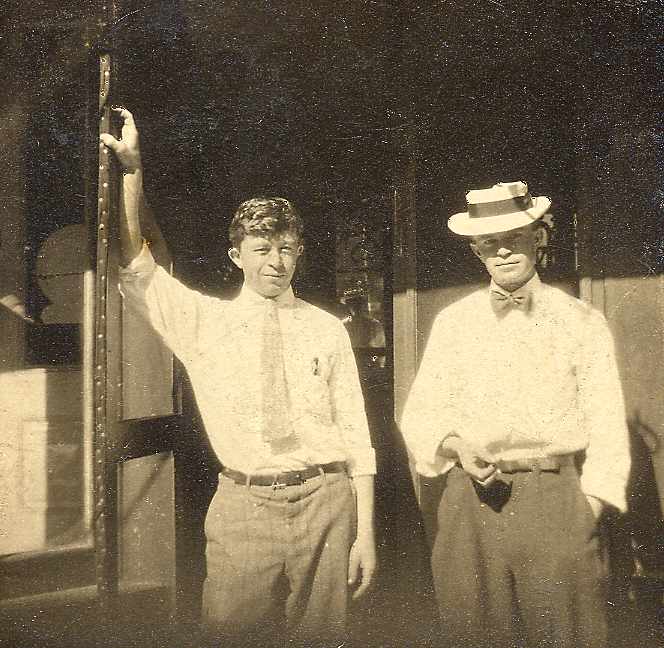
The Pitts Building at 330 Valley Street in 1912, as Scottsville Drug Company. T.E. Bruce standing the doorway.Postcard of Valley Street from the corner at Main Street in 1928. Pitts building in the center.T.E. Bruce, left, with his brother in 1913
The Scottsville Drug Company operated here for several years before moving next door as Bruce’s Drug Store. The history of the pharmacy and T.E. Bruce can be found at this link:
The airport is only three miles from the harbor, one of the reasons we chose to connect here. Doug meets me and we hail an Uber for the short hop to the marina. It’s still mid April, but the sun is already a white hot glare off asphalt and concrete. Everything looks sun-bleached and pale.
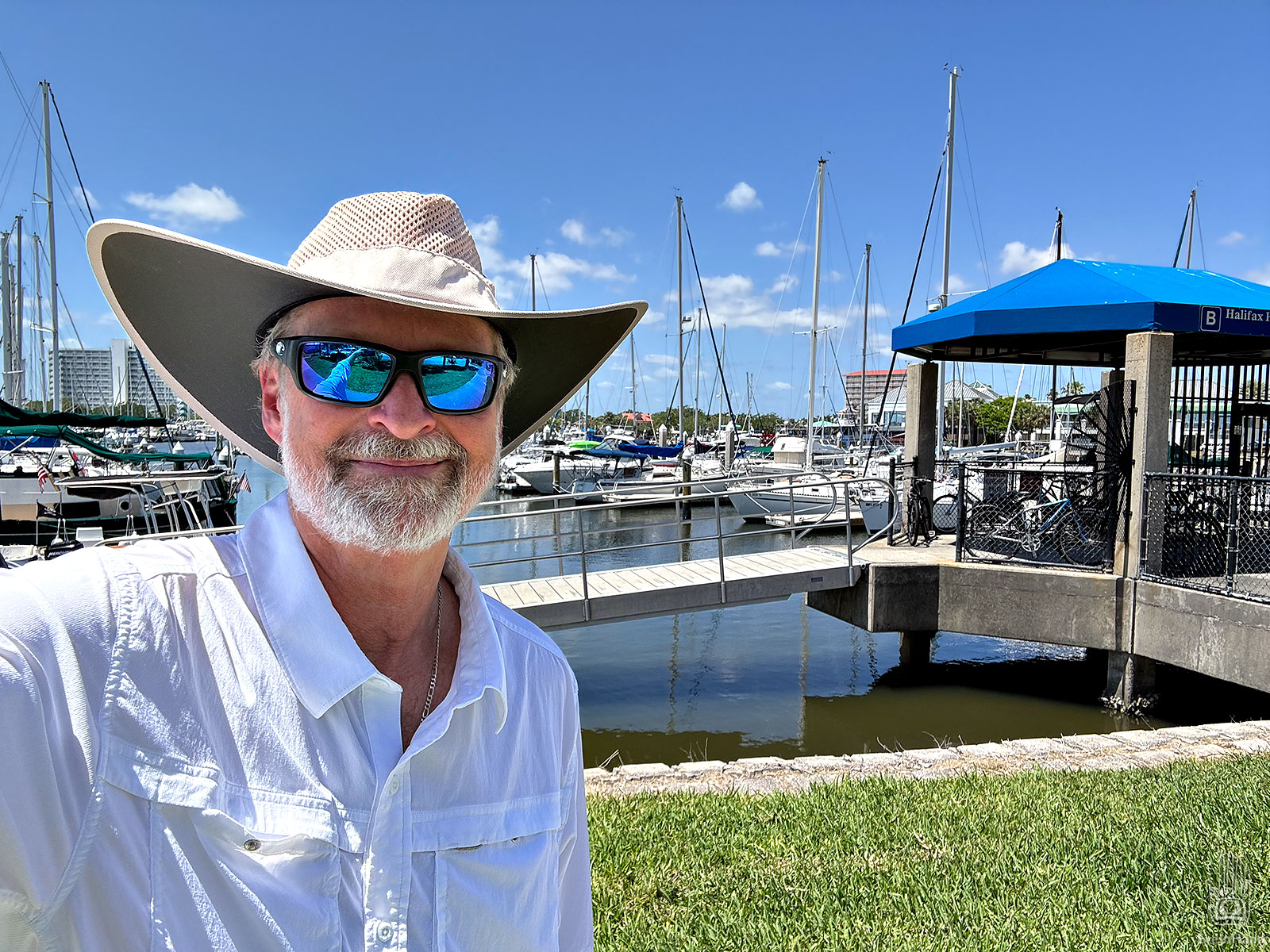
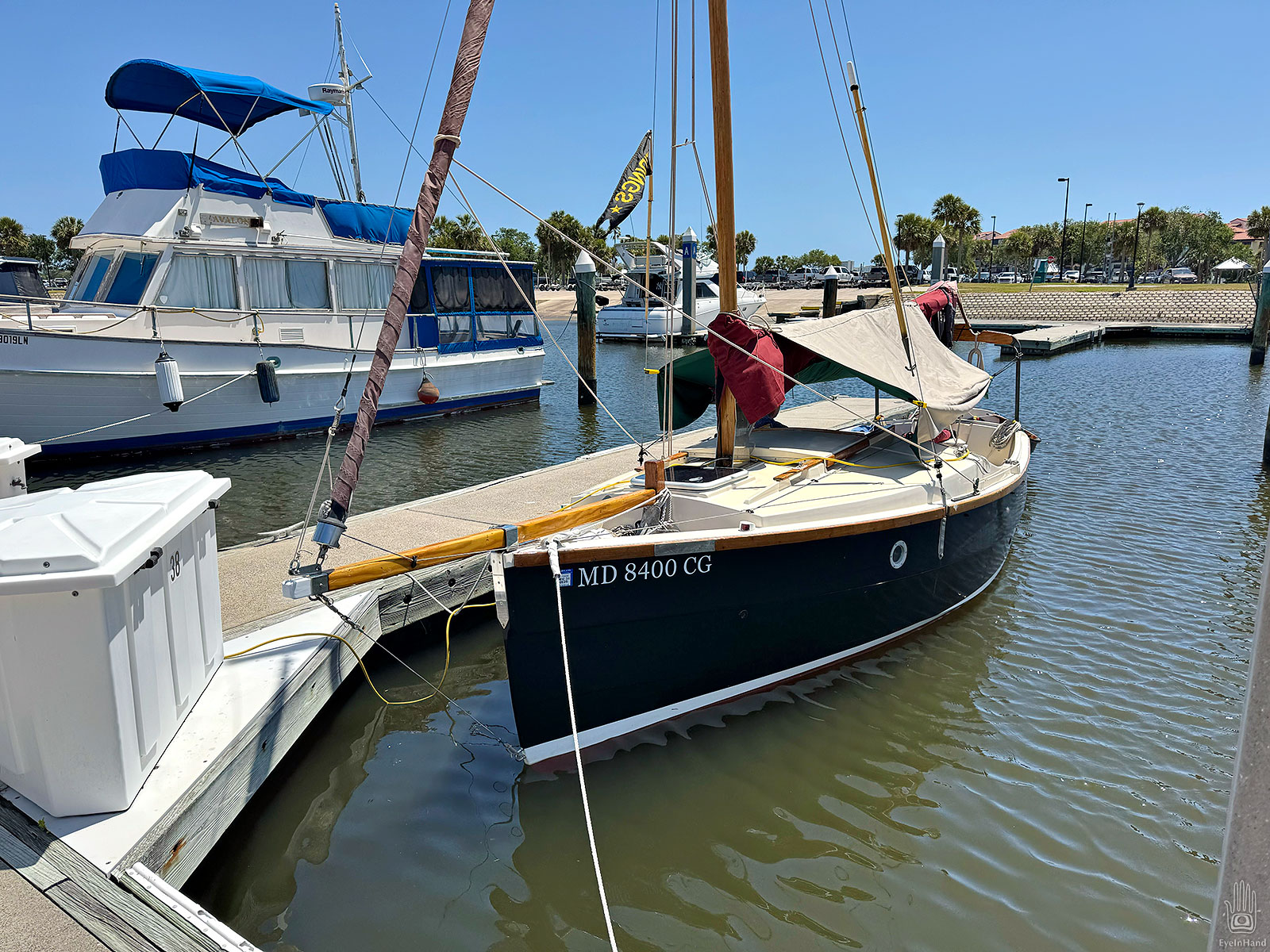
Halifax Marina is a big municipal marina full of big boats. The GDP of a small country is tied up at the docks. He walks me down the gangway to a slip where Tidings is cheerfully holding her own.
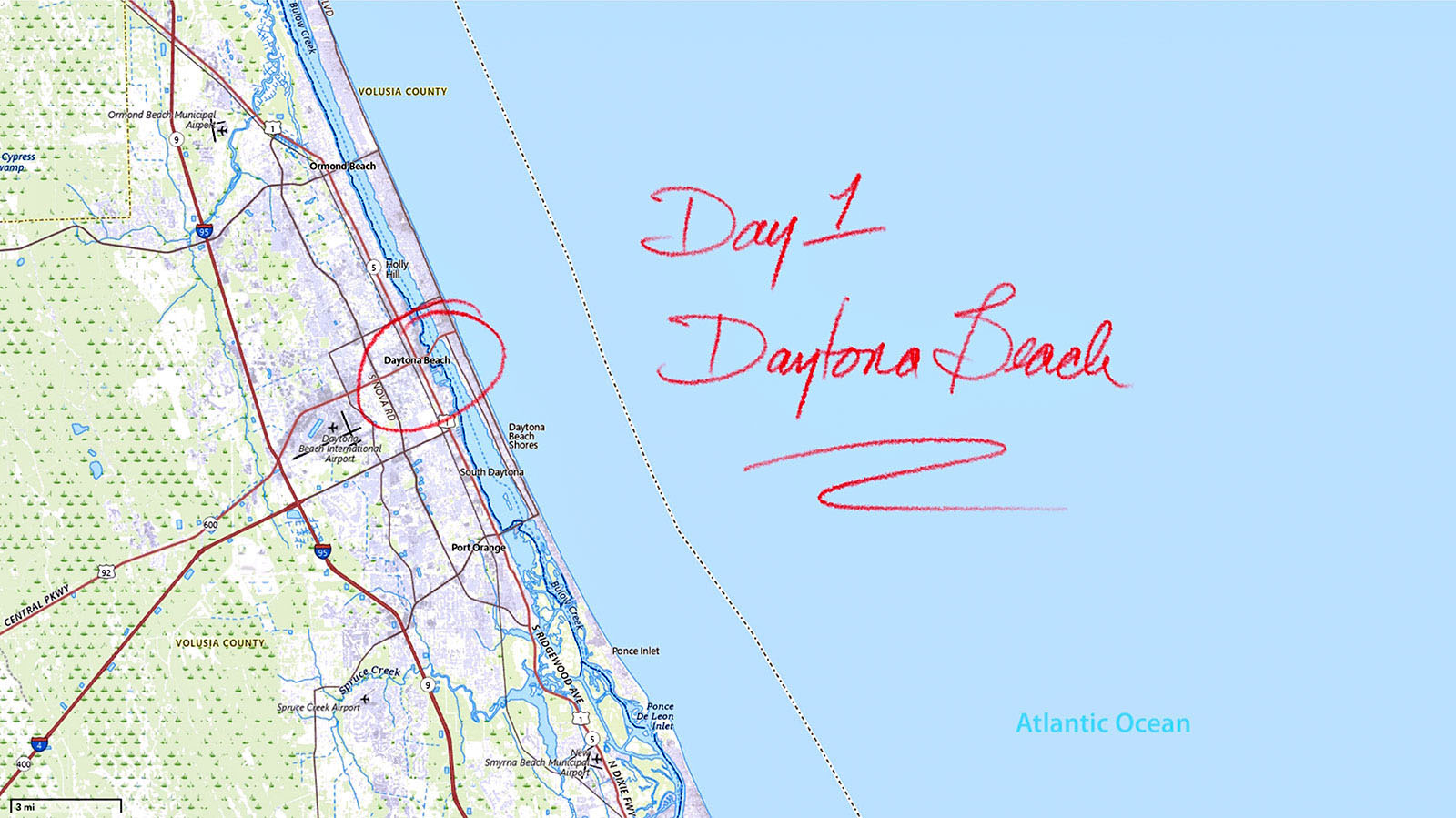
We’ll spend the night here on the boat and get an early start in the morning. I get a quick tour of the layout and stow my duffle, then we’re off again – Doug wants to investigate all this fuss about “World Famous Daytona Beach”.
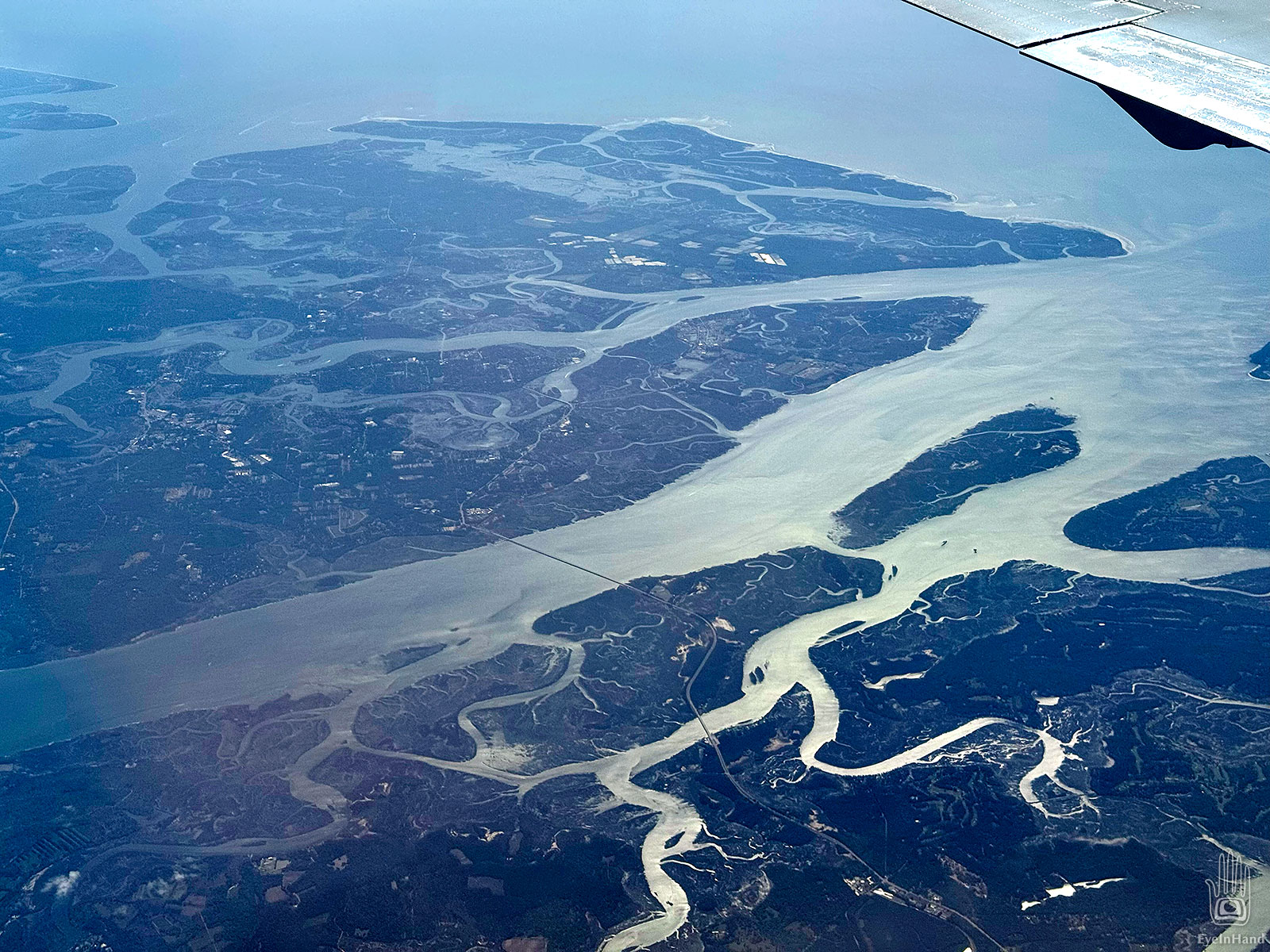
Beaufort, Port Royal Inlet, and Fripp Island from 30,000 feet.
From 30,000 feet I get a preview of what’s to come. The morning flight drops down out of the clouds, and there below is our destination: Beaufort, and a watery world of marshes, winding creeks, and inlets stretching out to the steel blue Atlantic. It’s deceiving from above as it is up close. The sun glints off obvious water and moves over what one would think is land; but the light strikes water there, too. What appears to be land ribboned with creeks is mainly water, as well. The Low Country and Sea Islands of the South.
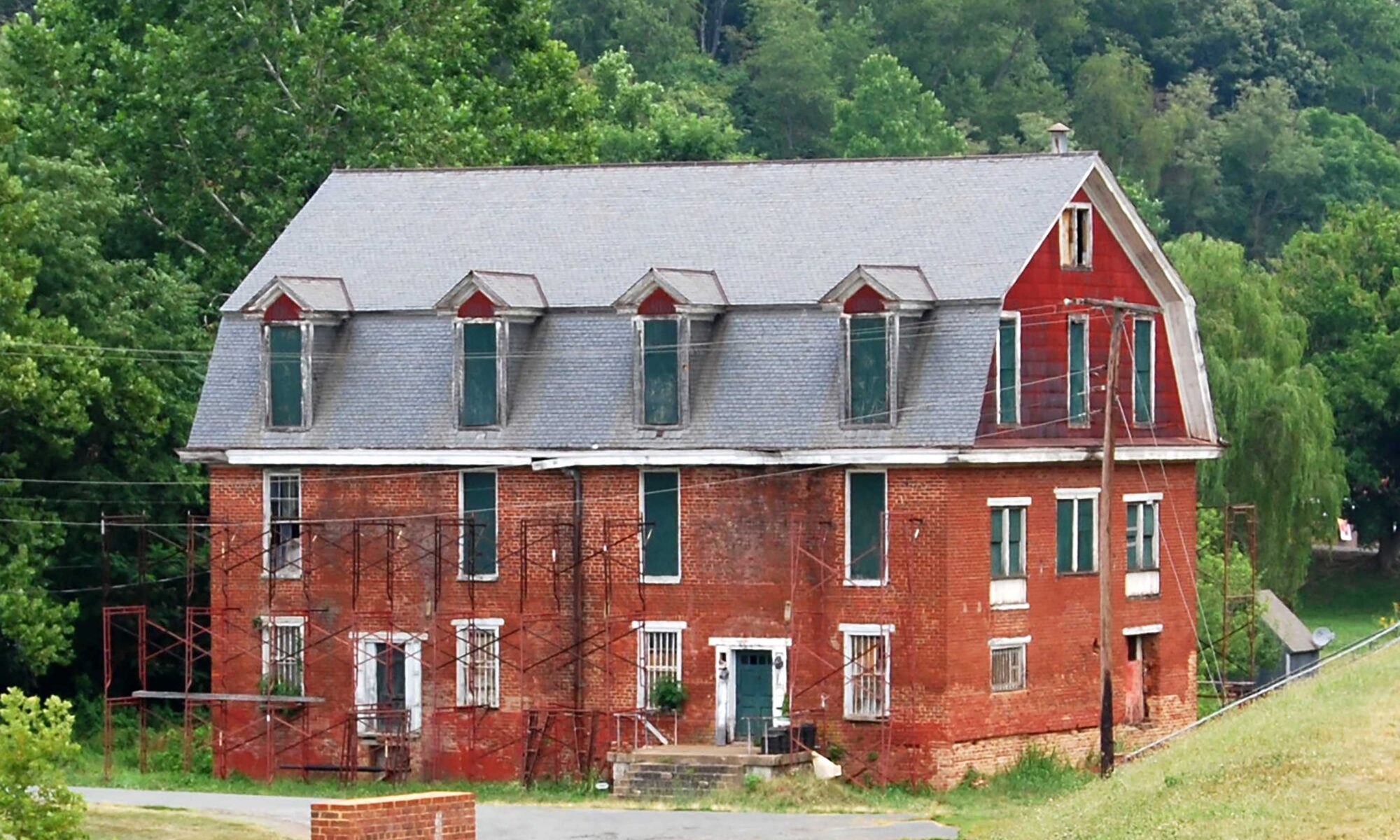
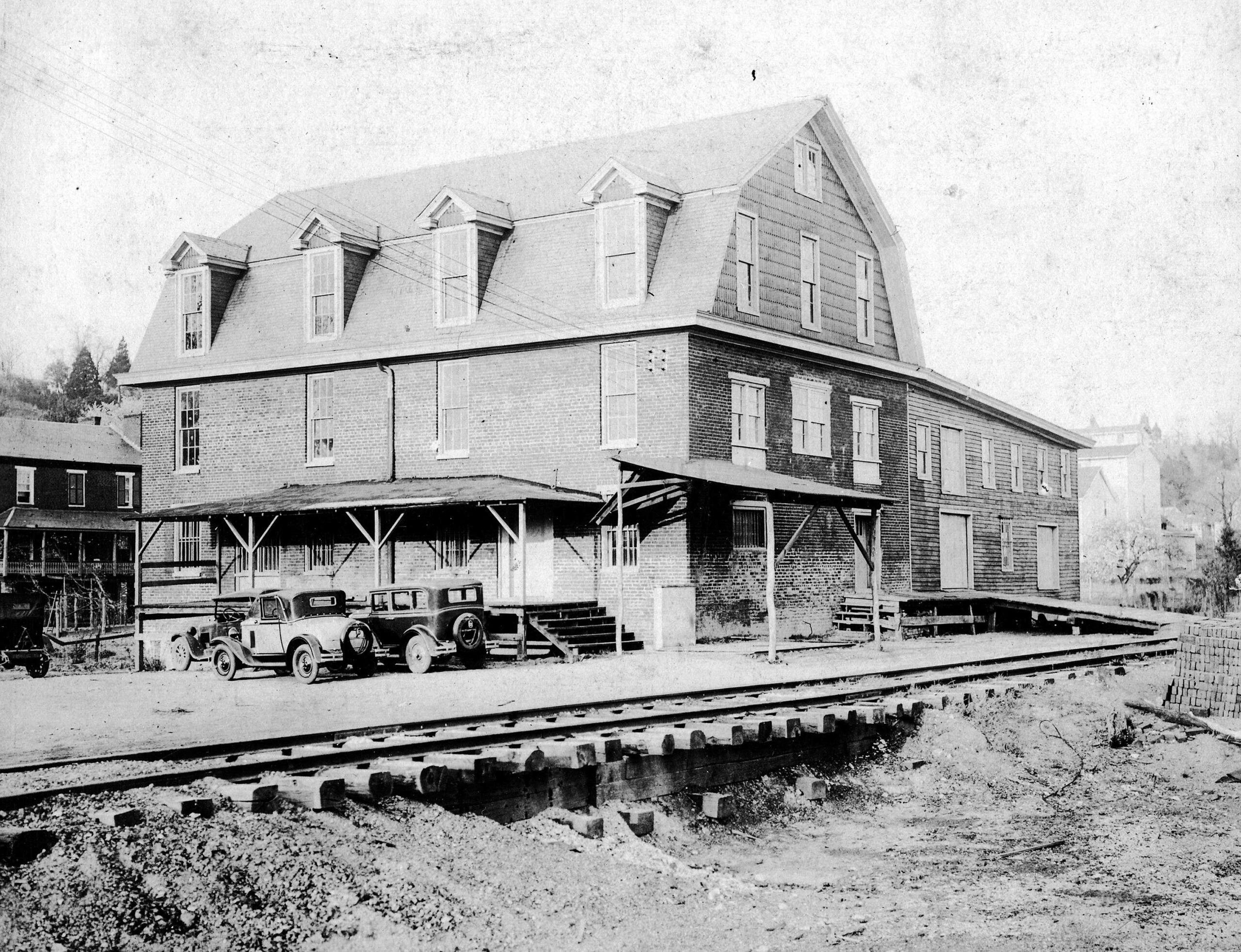
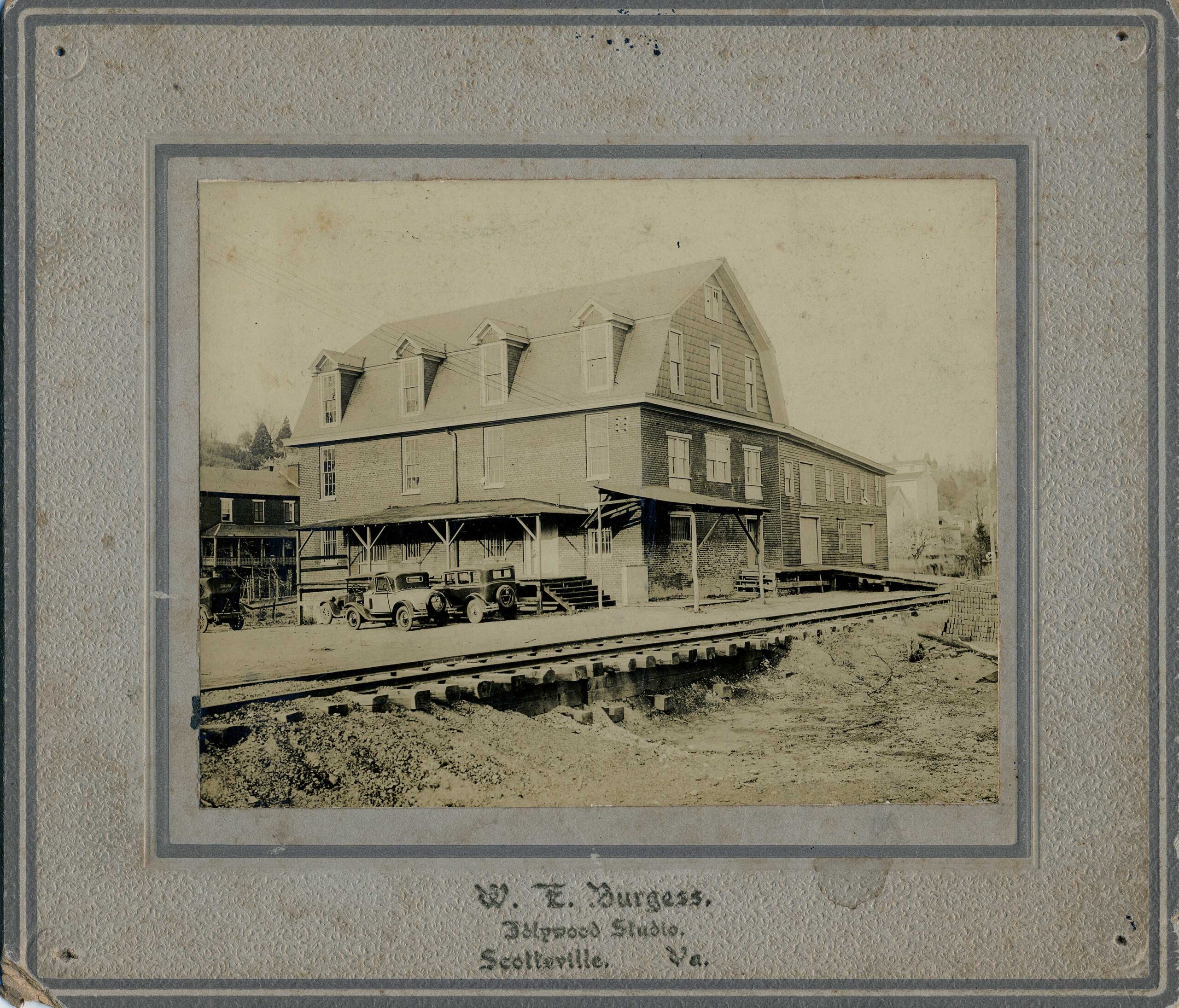
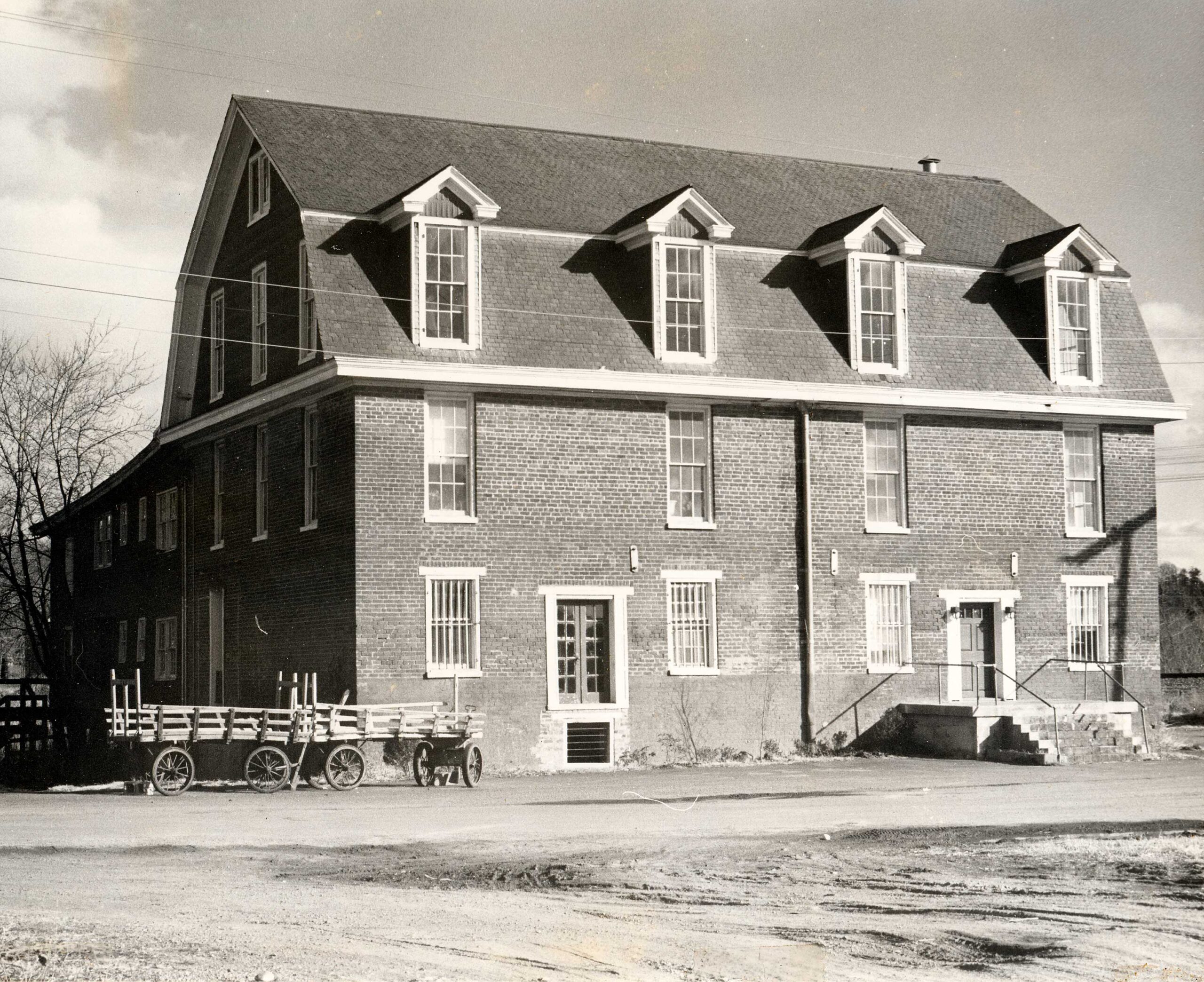
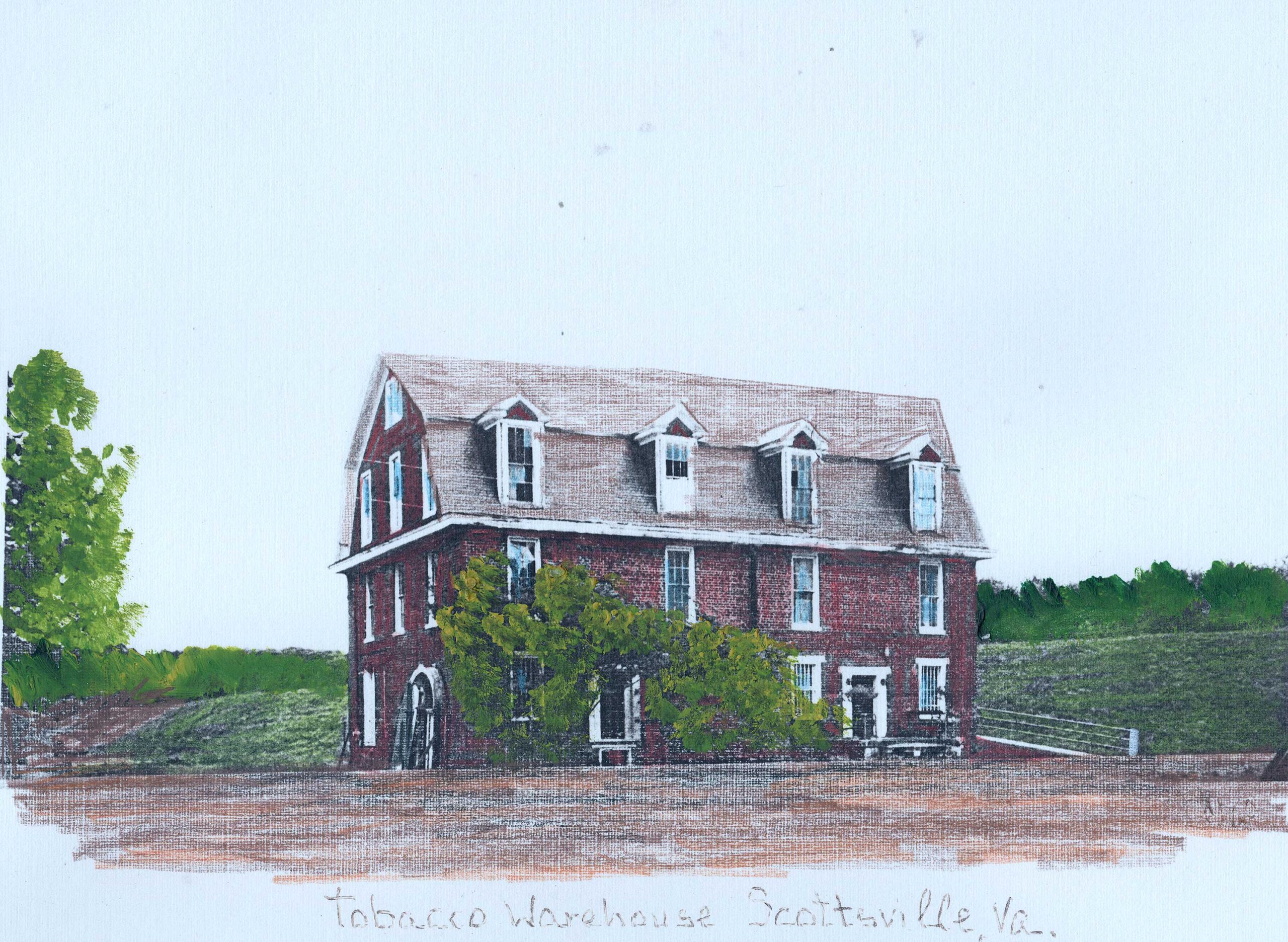
Name: Old Canal Warehouse. Date: ca. 1925-1930 Image Number: B35cdB14
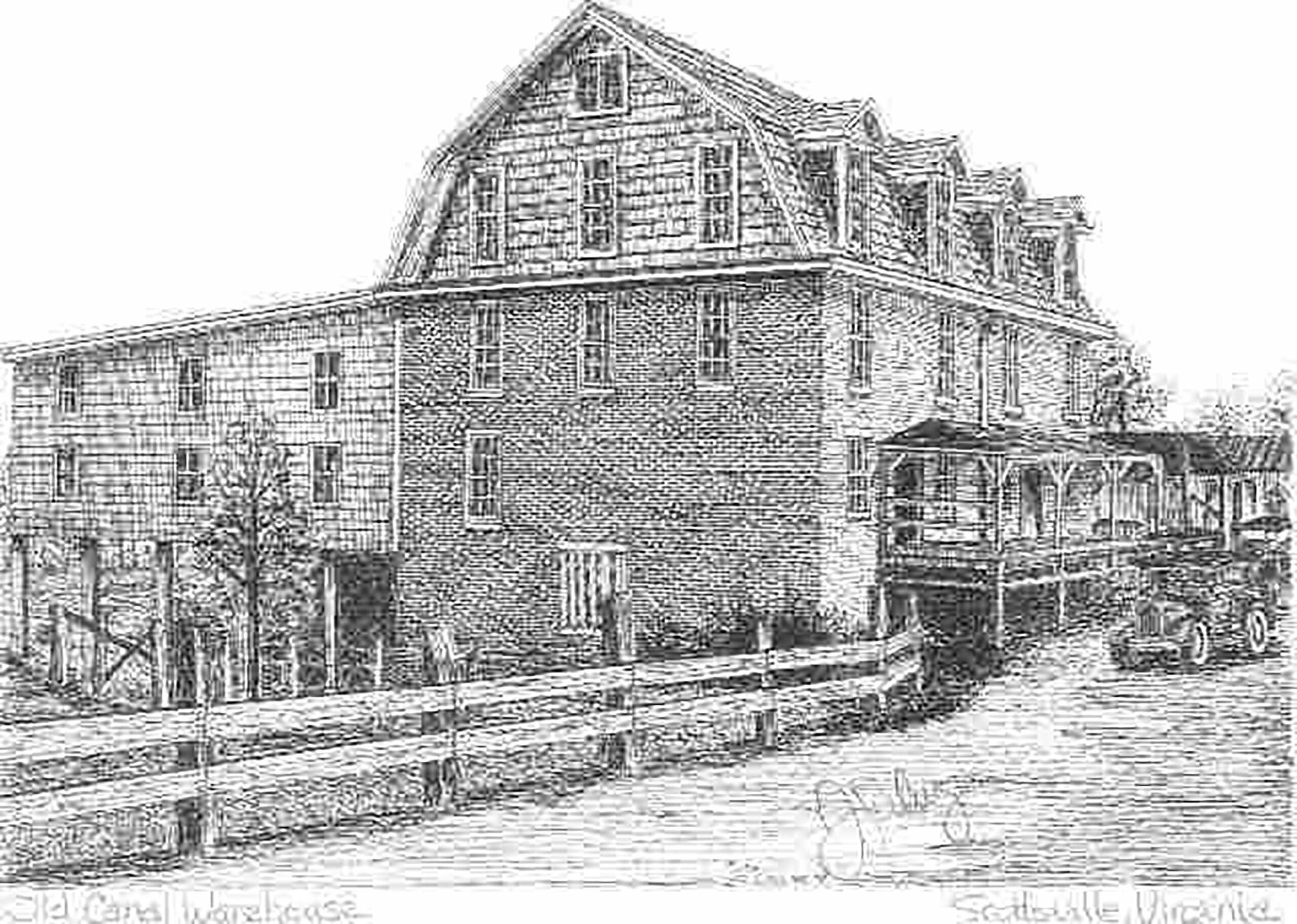
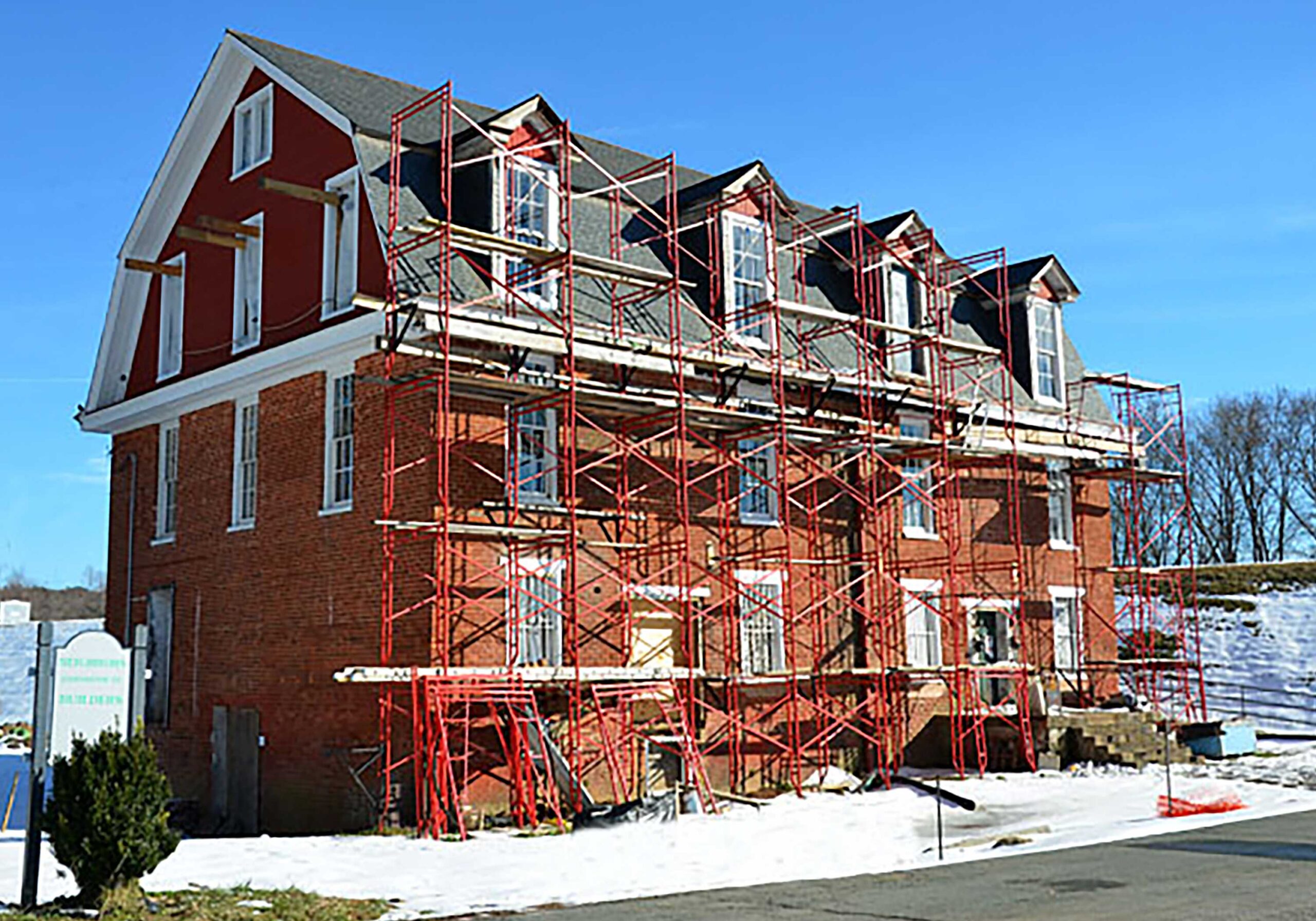
Built around 1834-1844, the Canal Warehouse is a large, gambrel-roofed building, located along the former James River & Kanawha Canal bank in Scottsville. While river and canal traffic flourished, the warehouse was full of tobacco, grain, and other produce waiting to be shipped to Richmond markets.
Canal Warehouse as it appeared circa 1830
Scottsville was an important shipping point on the canal, and many townsfolk were employed by the James River & Kanawha Canal Company. The Company’s stables were located at the corner of Valley and Main Street, and hotels and boarding houses sprang up along Valley and Main Streets to house the wagoners rolling into town with loads of wheat from the Shenandoah. After processing the wheat to flour at a local mill, the barrels of flour were shipped onward to Richmond on the canal. According to President Joseph E. Cabell’s 6th Annual JR & KC Report, “On the 18th of November 1840, a freight boat belonging to Messers Shepperson & Co. of Scottsville arrived in Richmond with a cargo of 300 barrels of flour from the town of Scottsville.”
After emptying their wagons at the Canal warehouse, the same wagoners loaded up manufactured products, shipped by canal from Richmond to Scottsville, and headed back to their Shenandoah homes via the Staunton Turnpike. According to John Hammond Moore in Albemarle 1727-1976, “In 1827, the Staunton or Rockfish Gap turnpike from Staunton across Afton’s Gap to North Garden and Scottsville was completed.
With the opening of the James River and Kanawha Canal in 1840, land and water traffic through Scottsville prospered. In 1841, $30,000 was collected on freight shipped from Scottsville to Richmond. Most of this passed over the turnpike, 43 1/2 miles, from Staunton. A traveler reported in May 1845 at least fifty heavy wagons on the road, and one week in October 1845, some 1400 barrels of flour were inspected at Scottsville, while much more moved to Richmond uninspected. In 1847, the Rockfish Gap Turnpike office moved from Staunton to Scottsville. In 1850, some 70 mountain wagons were counted in town.”
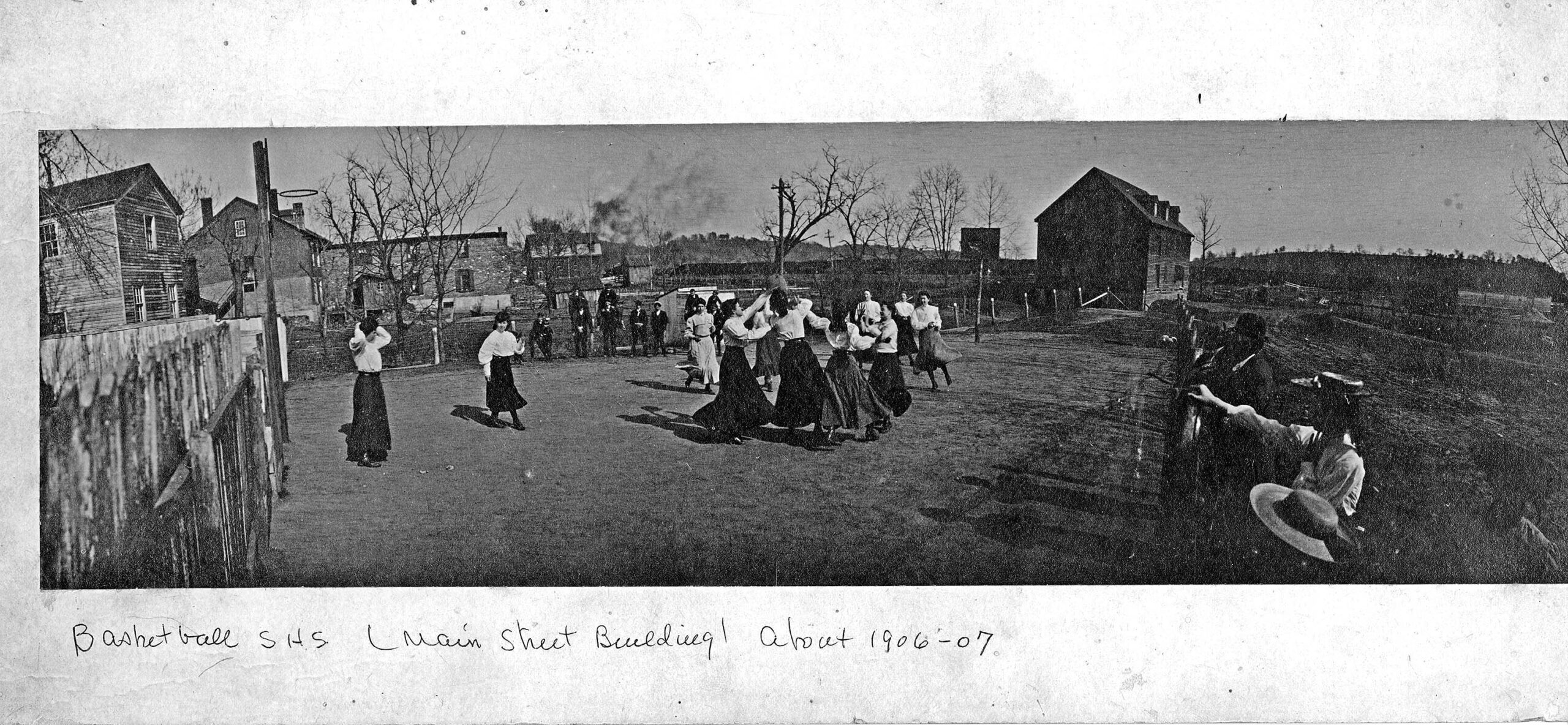
Scottsville High School Girl’s Basketball with Canal Warehouse in background in 1906-07
“The canal brought substantial prosperity to the southern end of Albemarle. A petition seeking a branch bank (Jan. 14, 1842) estimated the Scottsville community had some 1000 souls, together with 21 stores, ’24 mechanics’ shops of various kinds, 3 taverns, a tobacco factory, and 4 churches. Canal transport eastward was conducted by 9 freight boats and 2 packets. Produce and freight valued at over $1 million was being shipped annually.”
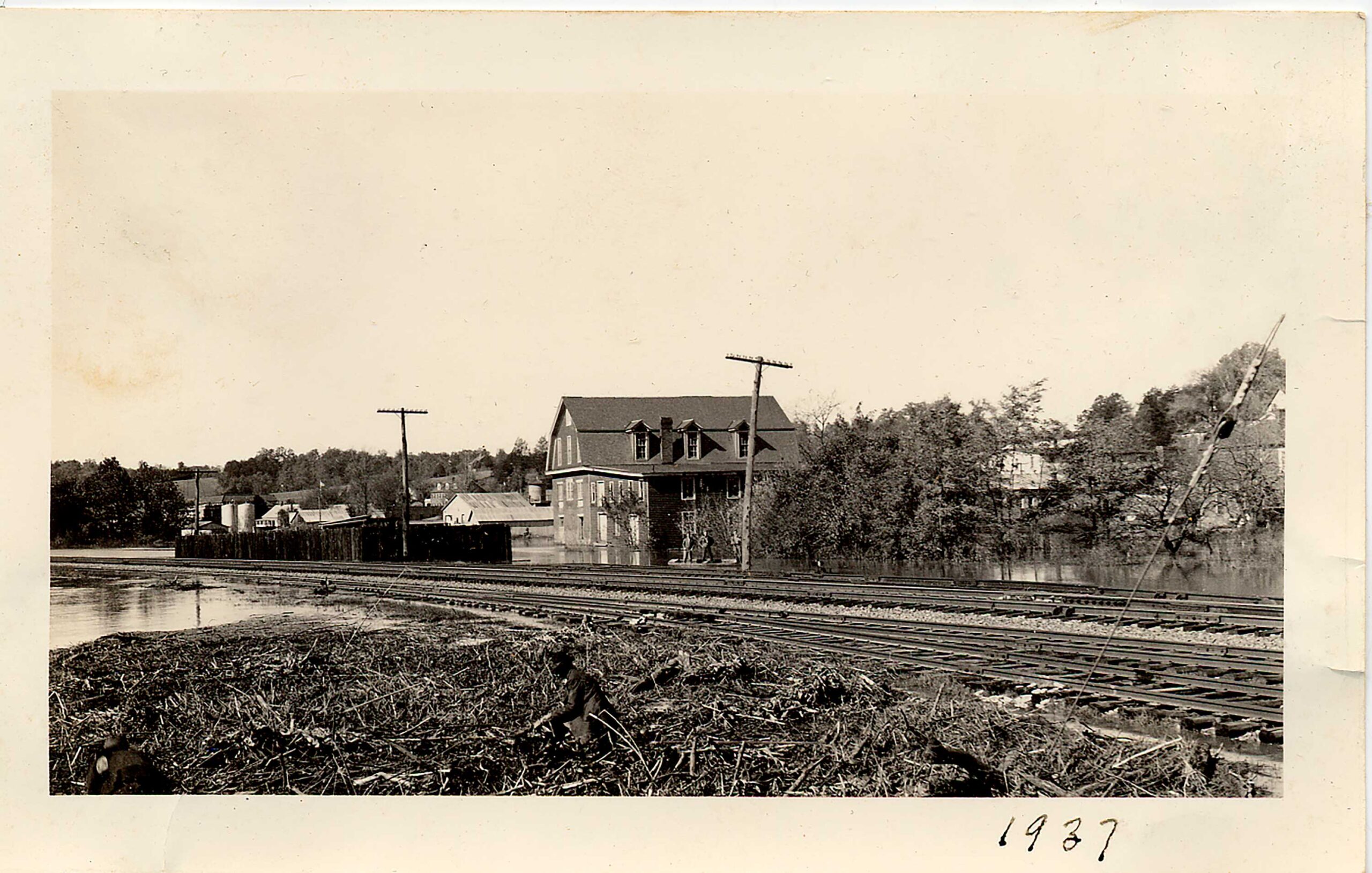
During the flood of 1937
Scottsville used this building on South Street for many different purposes after the canal’s demise in 1880.
During the 1940’s, the old Canal Warehouse even served as a much-loved social center for Scottsville as described in the following article by Callie Bowers.
– • 0 • –
Old Canal Warehouse Memories by Callie Bowers
In the 1940s, Scottsville once again became the social and business center for southern Albemarle, northern Nelson, and Buckingham counties. Not since the heyday of the canal era had there been such prosperity. Everyone who watched “The Waltons” knows that The Dew Drop Inn in Scottsville was the place to be! Certainly, this was an exciting time. Coming out of a childhood lived during the depression, the townsfolk embraced the growing prosperity generated by World War II. In 1944, The Canal Warehouse, also known by then as The Farmer’s Exchange, was bought by the Scottsville Fire Department from C.R. and Clara Dorrier who had owned it for seventeen years.
Townsfolk who lived during this era still smile wistfully when telling about the dances that had this Scottsville landmark rocking. It was during this era that the firemen and the Lions Club made The Canal Warehouse their home. The firemen sponsored dances every Friday night and a big formal New Year’s Ball.
One year, Reeve Nicholas booked two bands by mistake but was saved from embarrassment when a huge snowstorm kept one of the bands from coming. The band that did show up was so bad the firemen and their guests finally ended up making their own music. They could do this most readily since the members of the Scottsville Orchestra — the usual dance musicians — were there, though they had planned on dancing rather than playing for a change. The group was normally made up of Ruth Kent Pitts on the piano, John Henry Phillips on drums, Jack Miller on saxophone, Wiley “Happy” Anderson on banjo, and Curtis “Sticks” Conrad on cornet. Sometimes Ed Evans from Fluvanna would play the sax, and sometimes Harold Parr would give it an old “toot toot” as well.
Sis Coleman recalls going up to Dr. Moody’s house on the hill to make sandwiches to be sold at the dances. Mattie Leigh Golladay Willke made hers at home. There was a huge pot-bellied stove that kept the place warm. Among the songs the orchestra played were such favorites as “Sentimental Journey,” “Tangerine,” “Stars Fell on Alabama,” “The Nearness of You,” “Harbor Lights,” “Stardust,” and “Good Night Irene.”
Wonder which song they were playing in 1945 when Rudy Johnson spotted Frank Shumaker (home on leave from the Navy) across the room and fell completely and forever in love? They were married the next year. Wonder who else was there that night? Perhaps G.B. Cleveland, Sis and Tom Coleman, Milton and Rosemae Cohen, “Chick” and Shirley Dorrier, “Dukes” and Jimmy Johnson, Bob and Vernell Coleman, Reeve and Ampy Nicholas, Rosemary and Leslie Harrison, Austin and Christine Easton, Evelyn and Doug White, Ambrose Payne, Mary Pearl Turner Cook, and Arbutus and Raymon Thacker? All were said to have been regular or occasional attendees.
The Old Warehouse was the setting for the Firemen’s Bazaars as well. The Firemen’s Ladies Auxiliary had bake sales and helped out. Mattie Leigh helped buy the prizes for the bingo games that went on continually on the second floor. Sis Coleman had a beautiful punch bowl she won. Bobby Spencer recalls the huge table of prizes shining under the lights.
I remember the games, rather like midway games, on the first floor. My favorites were taking a chance on the duck that was bobbing in an actual trough of water. One paid a dime, chose a duck and got a prize according to the number on the bottom. Throwing the hoop over an upright was a bit more chancy. Sometimes it just fell off the side. The better prizes were accorded to the uprights farthest to the back. How I wanted a cupie doll or a stuffed animal! I can still hear the spinning of the roulette wheel, the loud popping sound from the air guns at the shooting gallery, the excited rumble of voices. I can almost smell the popcorn!
– • 0 • –
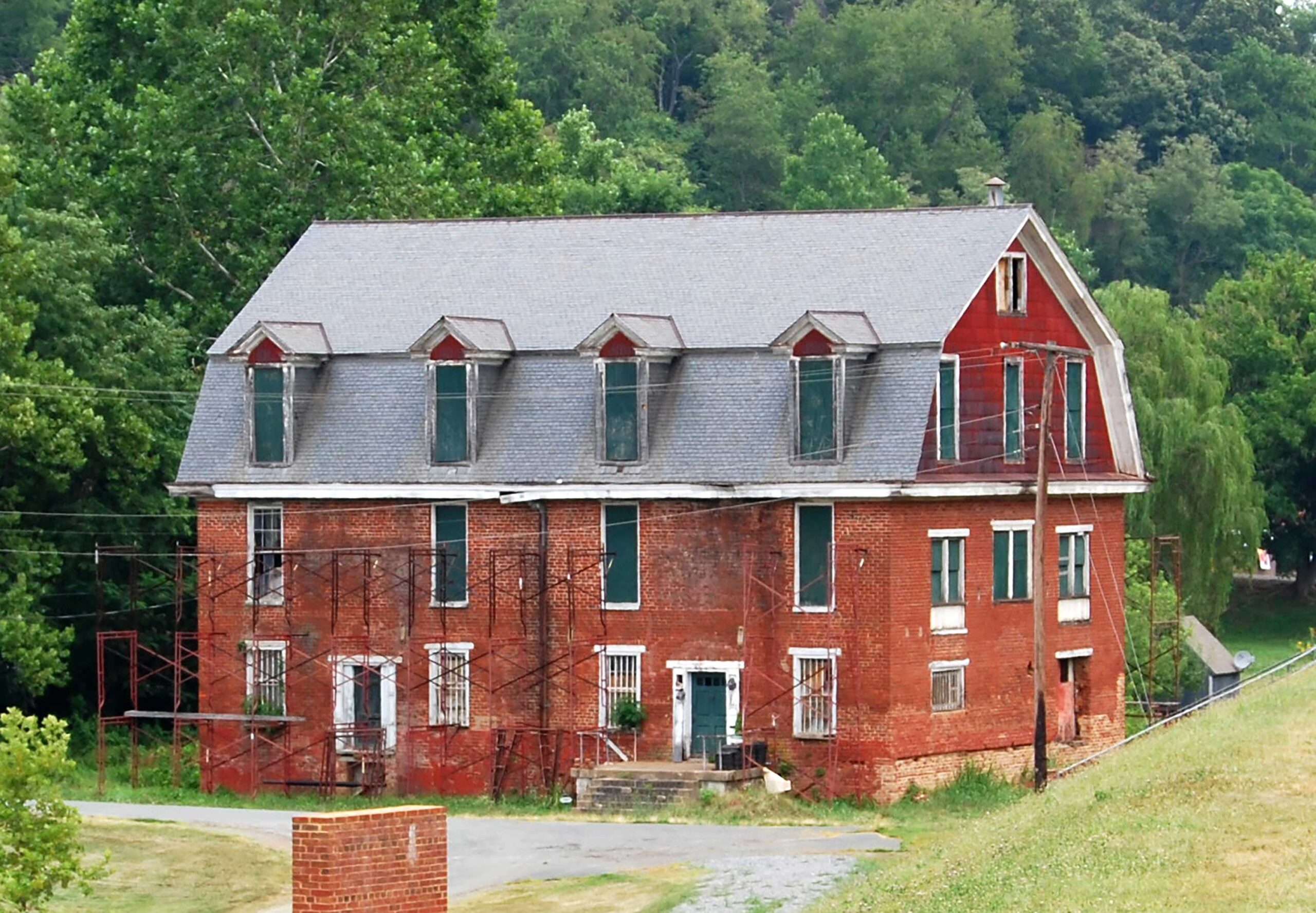
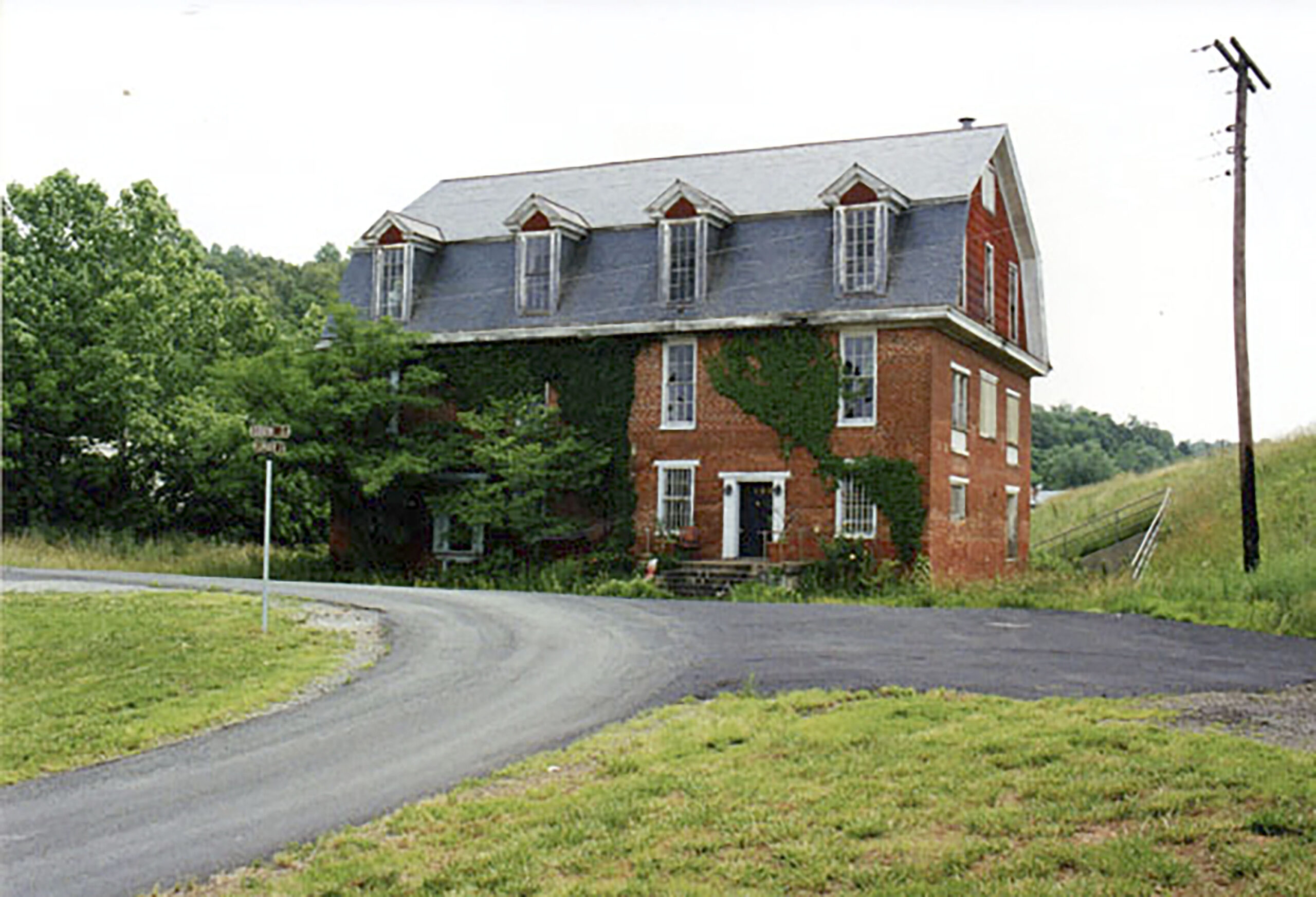
Today, the Canal Warehouse is used only for storage. Built before 1844, time, fires, floods, and vandalism have taken their toll.
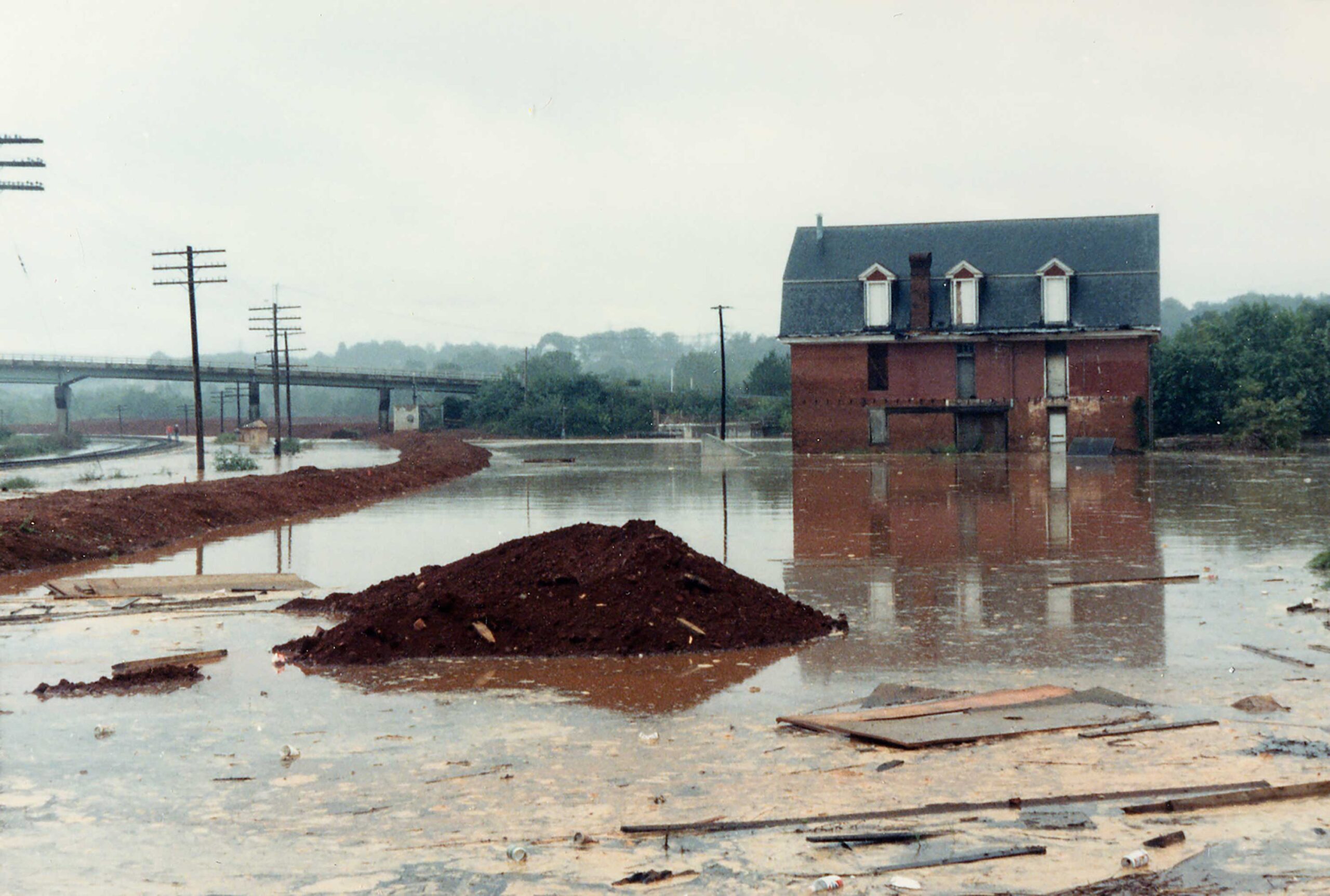
During the flood of 1985
As you drive by, stop awhile and take a look at the beautiful lines and details, the fine workmanship, and the unusual Gambrel roof. Imagine the good times, the laughter and joy, and the civic pride this grand old building once afforded the town. What will the future hold for this treasured historic structure?
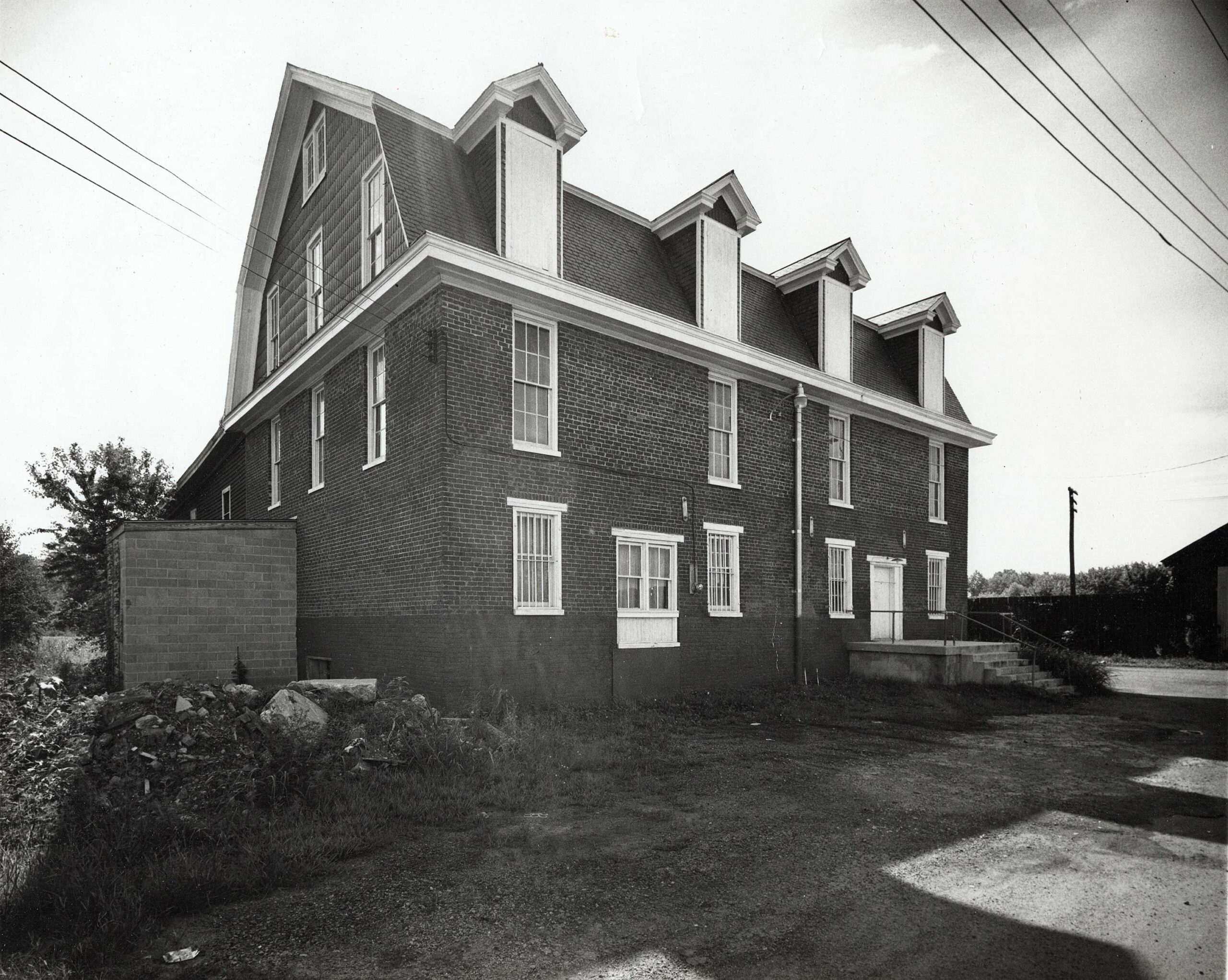
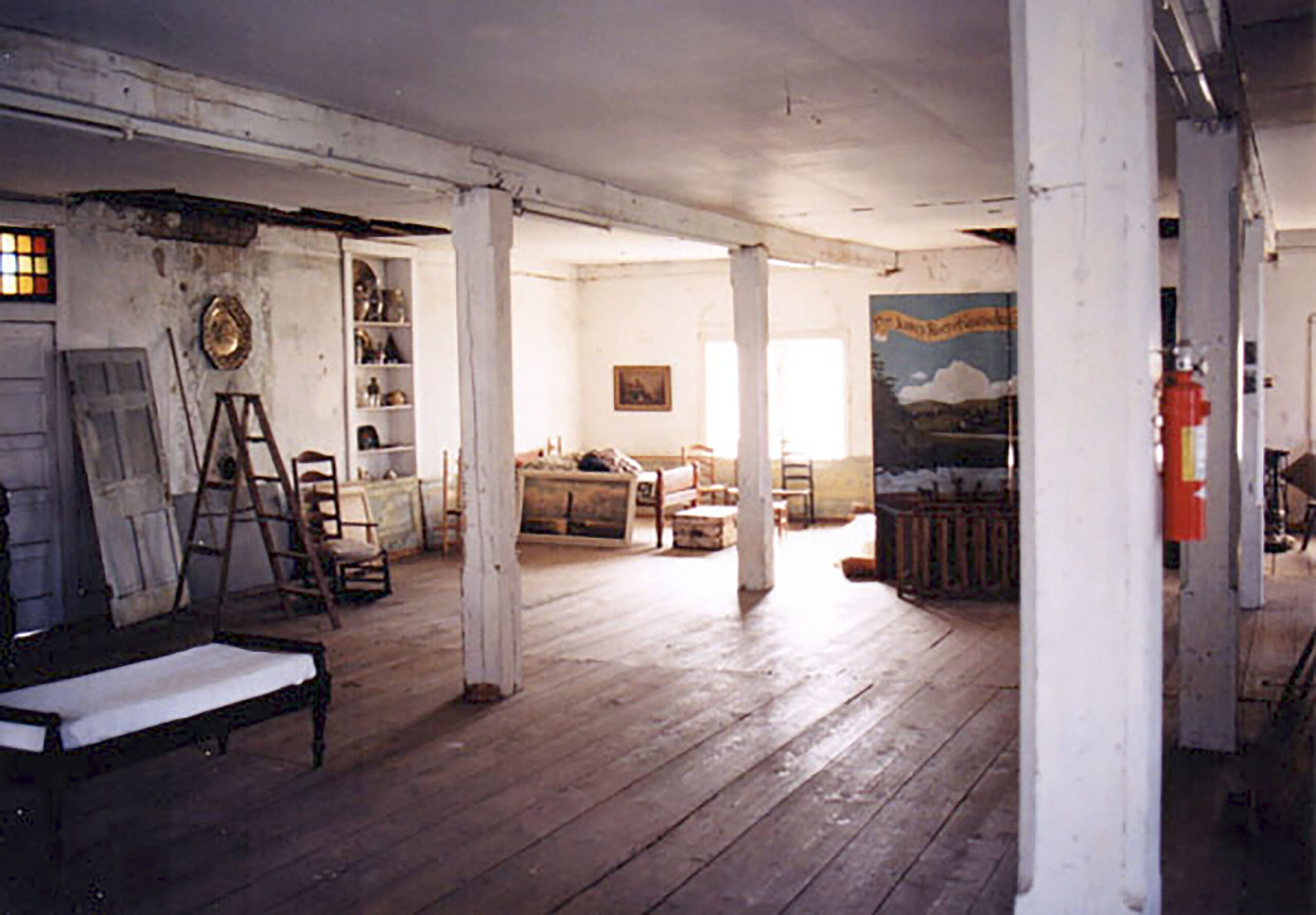
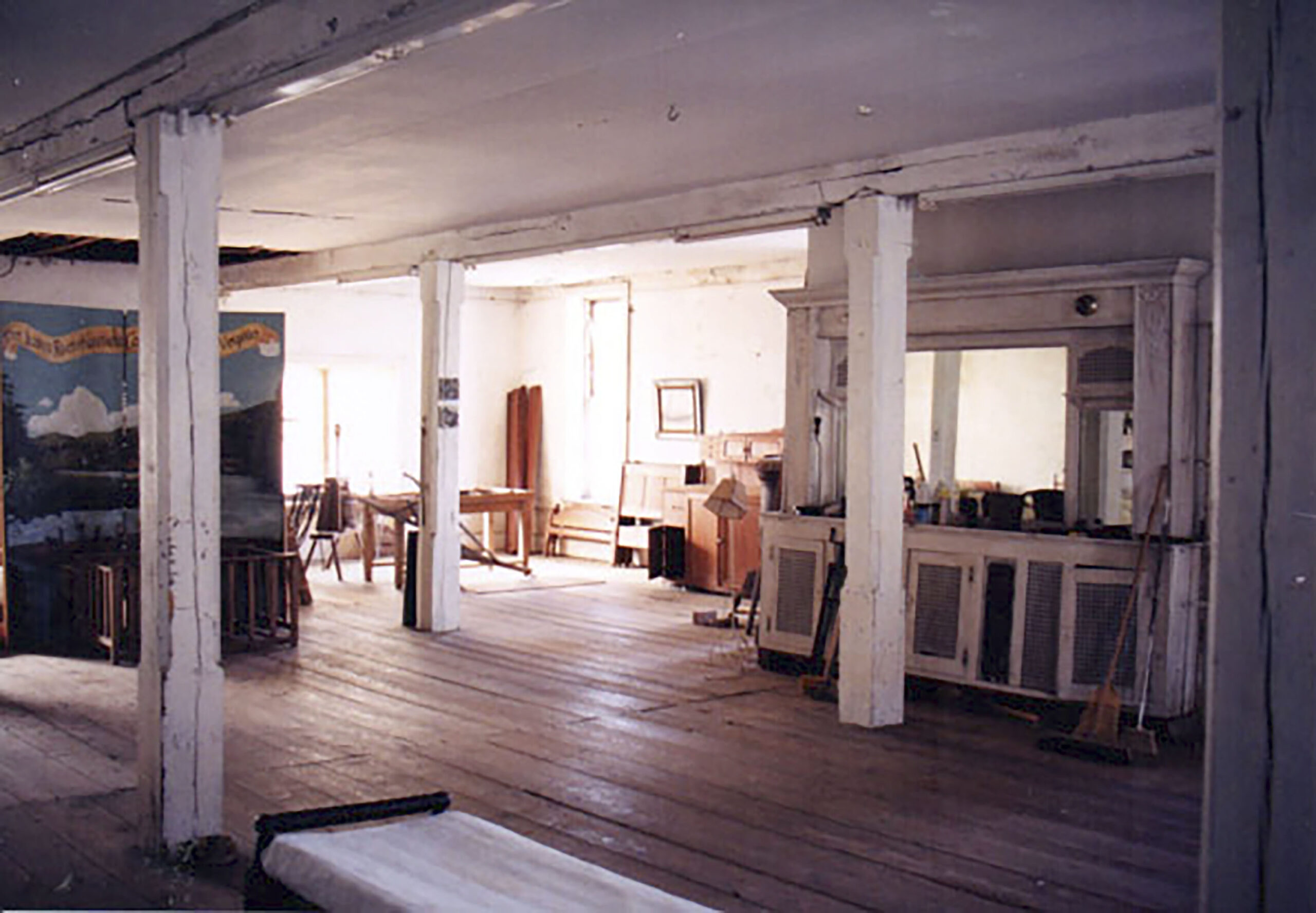
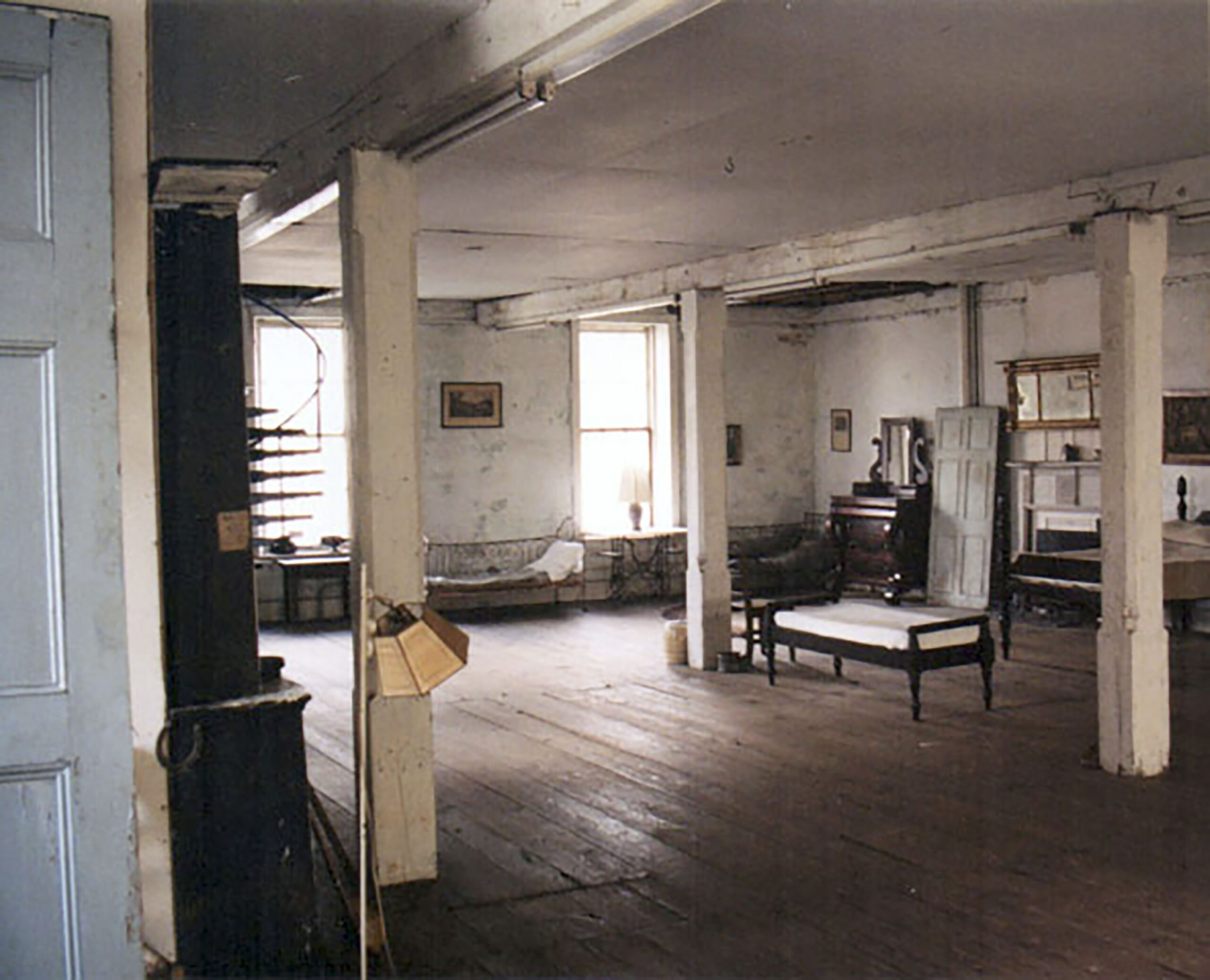
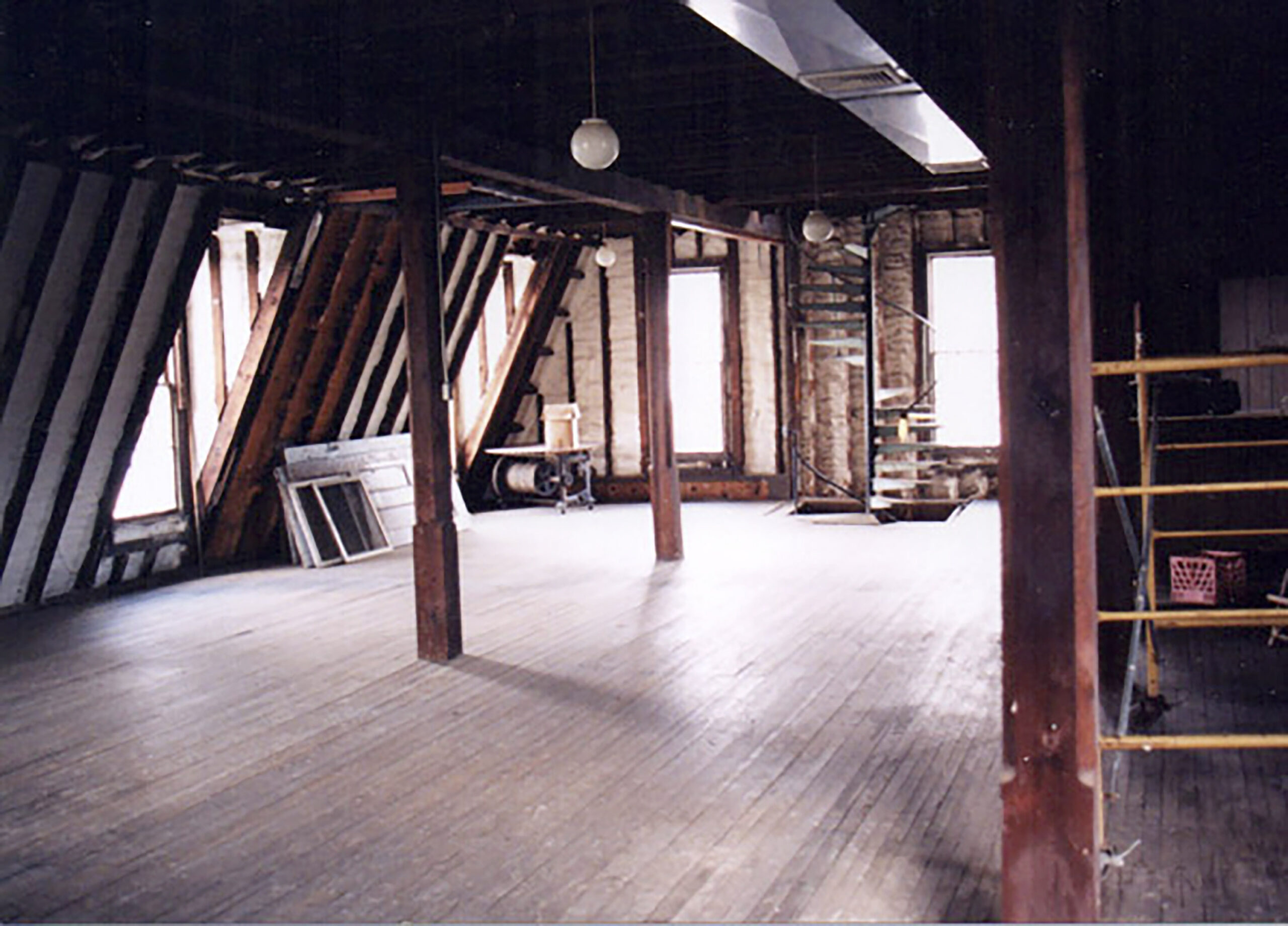
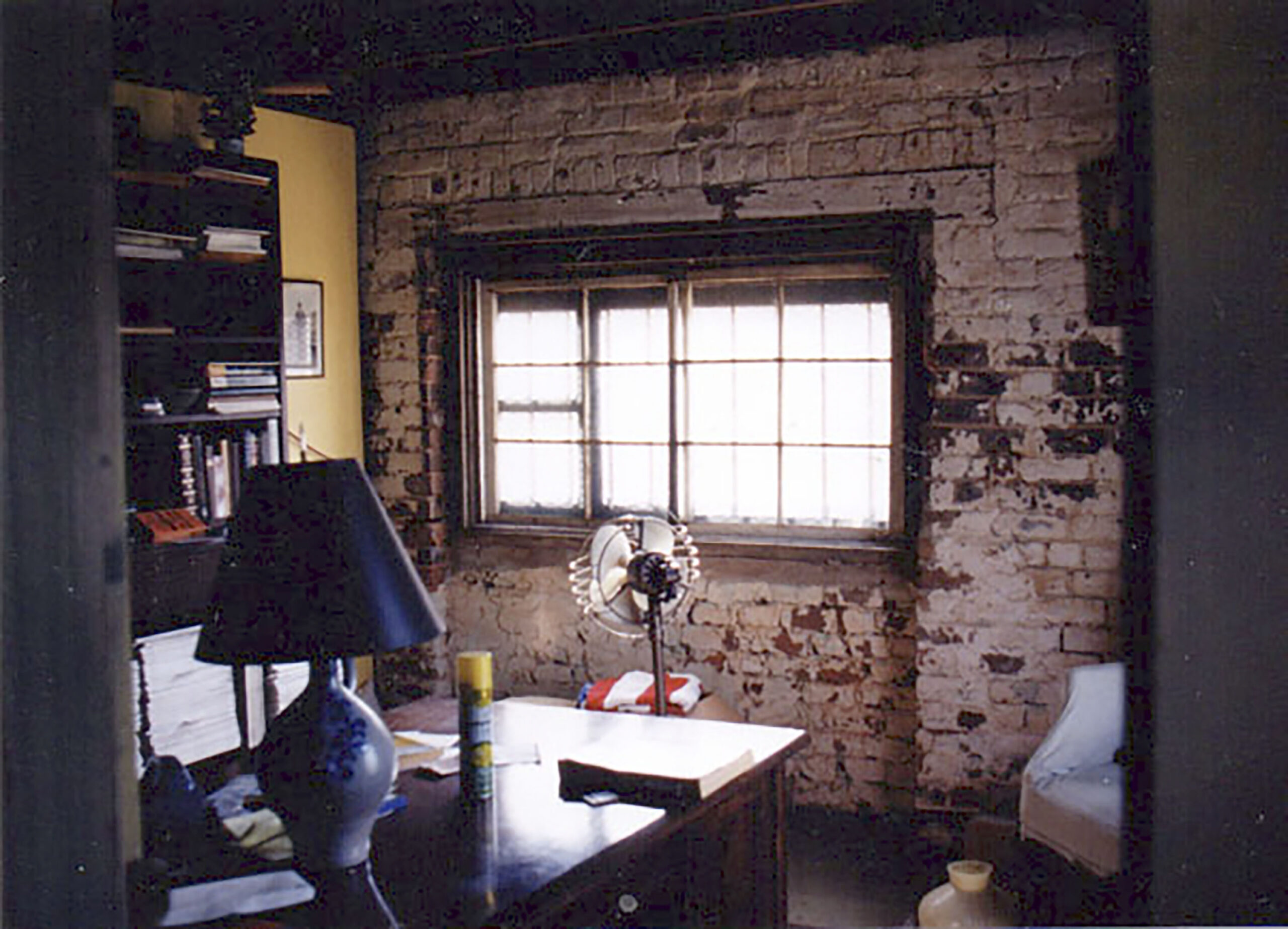
Following are some photos of the Canal Warehouse and its interior that were taken in the 1990’s:
One of our daughters and son-in-law moved overseas eight years ago. We tried for years to go see them. As teachers, they have regular breaks to travel. Our simple idea was to meet them somewhere, anywhere. But a worldwide pandemic got in the way, among other things. Plans were made, and cancelled, and made again and cancelled again. It happens. Finally, eight years later, everything fell into place.
They now live in the desert of Saudi Arabia, so they wanted to go somewhere wet and green for spring break. Where else but The Netherlands?
Water everywhere
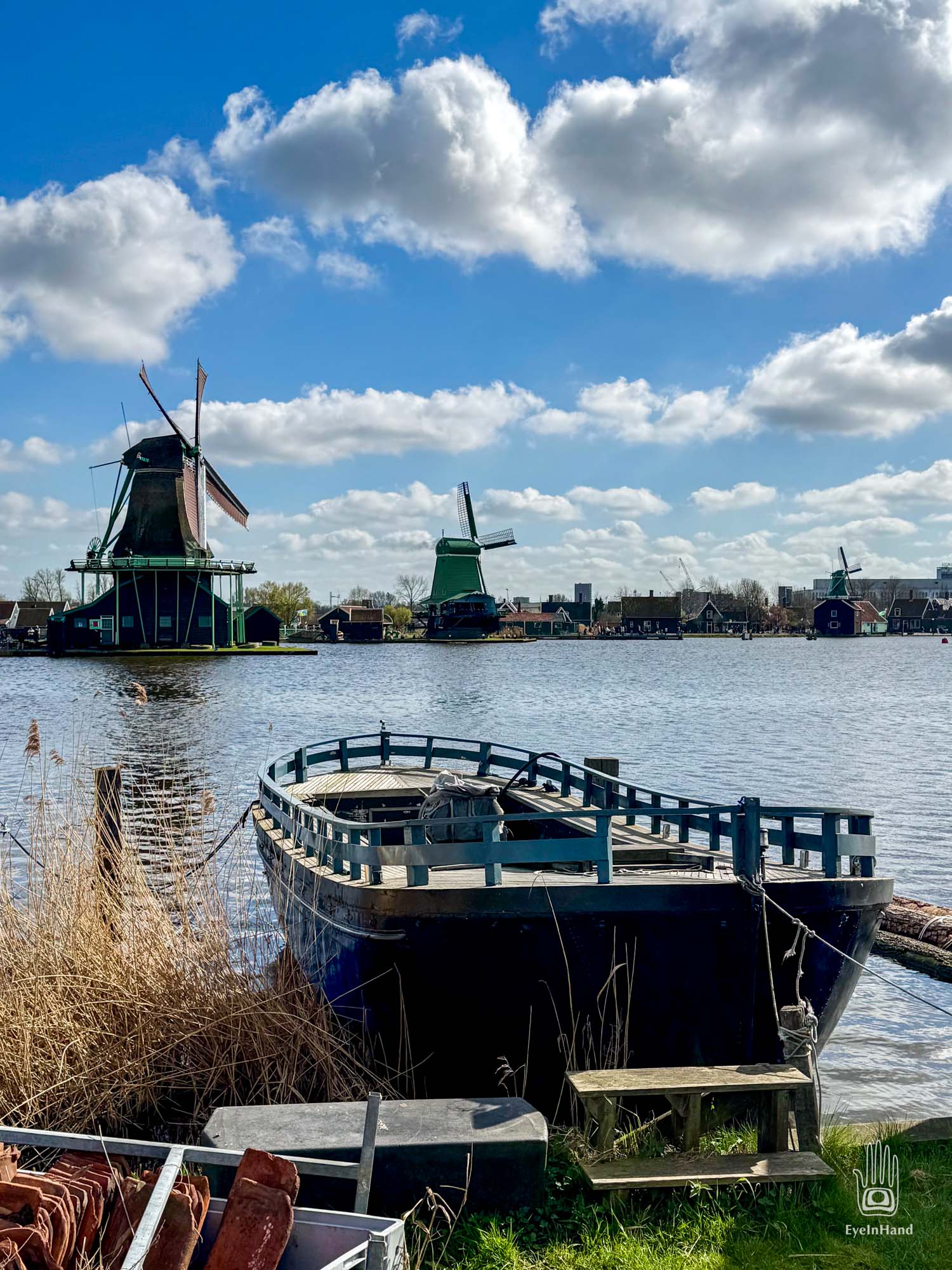
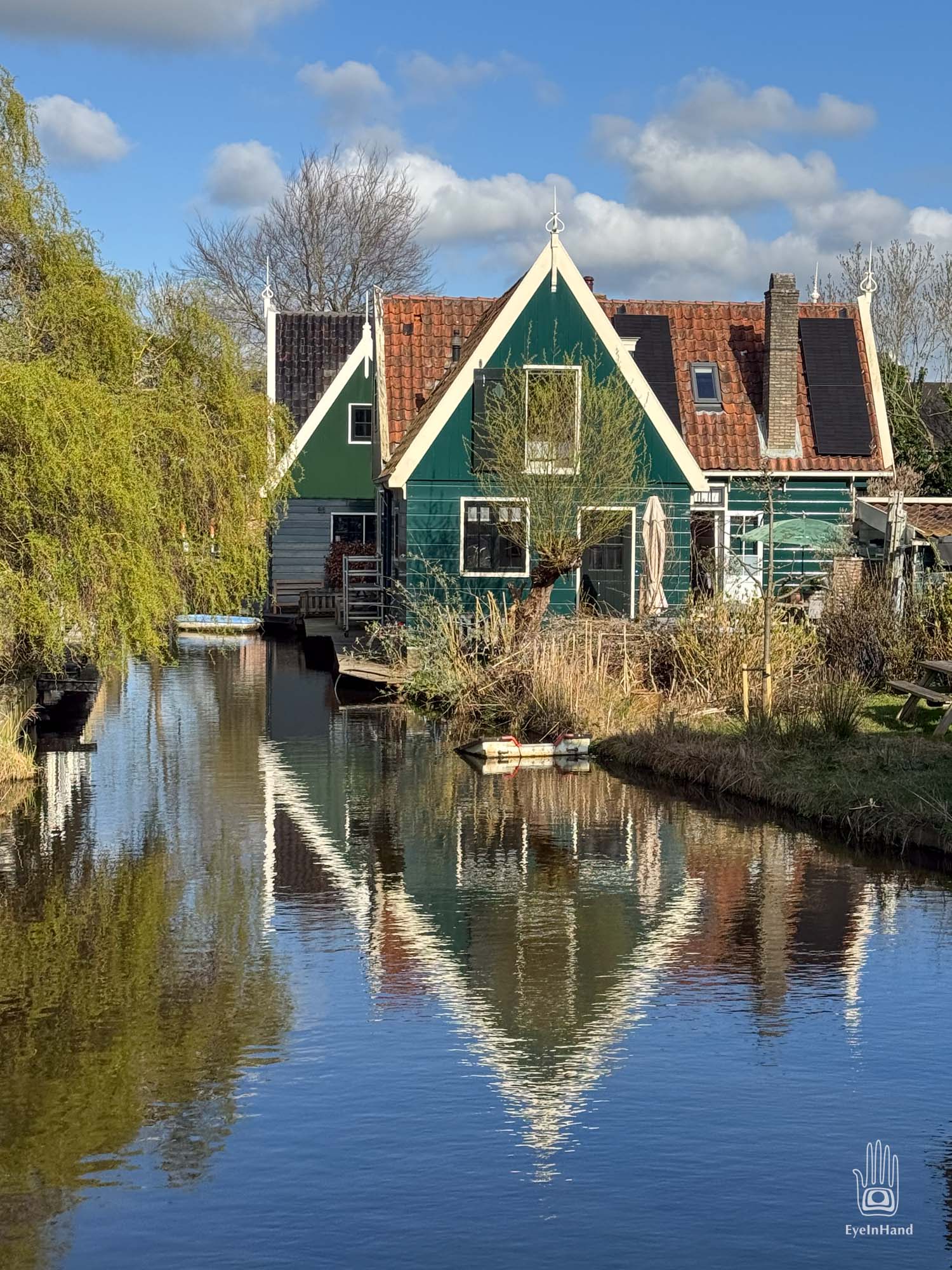
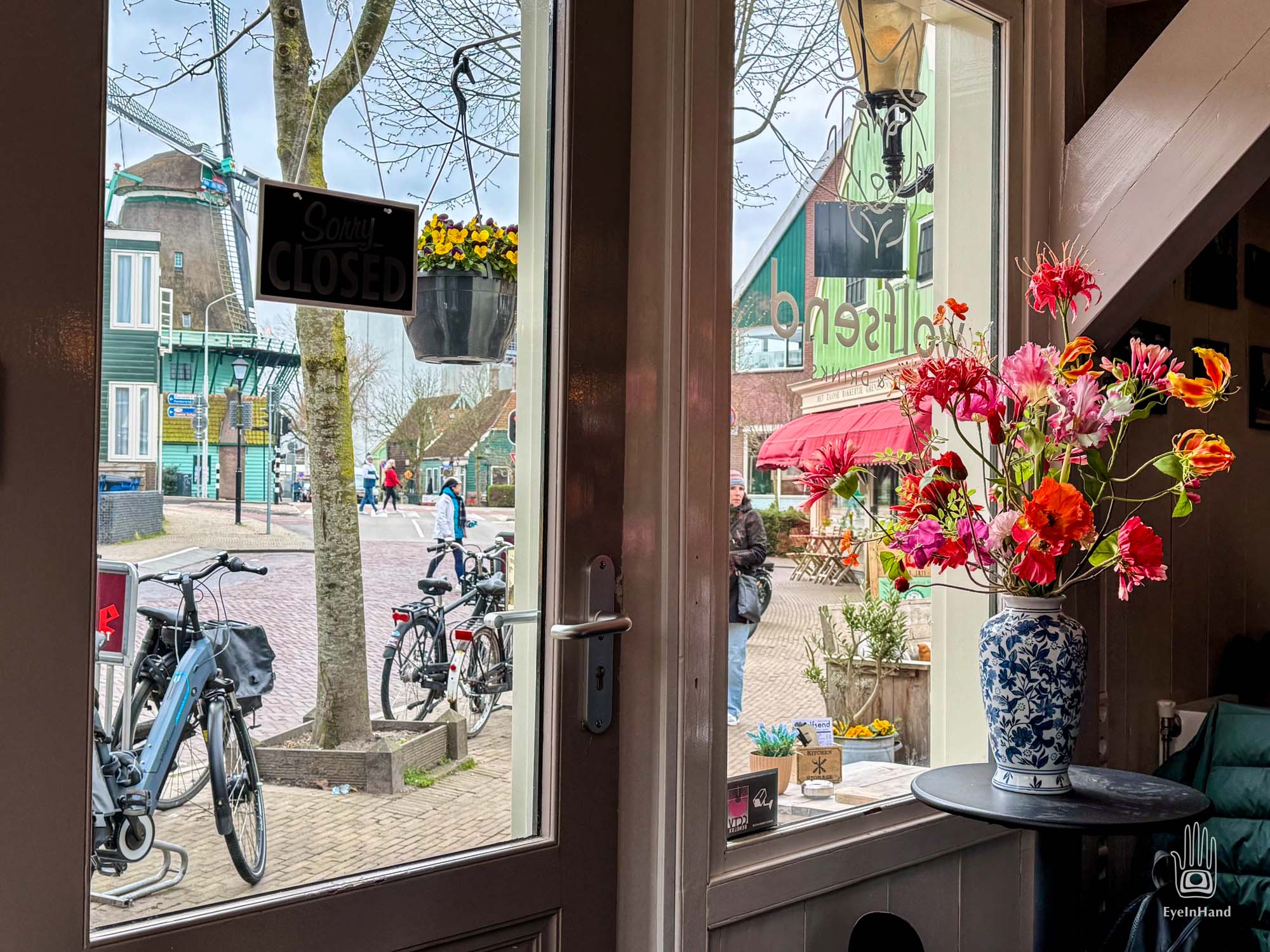
We spent a week in a small cottage in the country, a bit north of Amsterdam. Water everywhere. And windmills. The nearest town of Zaandijk has a train station, bakery, brewery, and couple of cafes, and was just a short bike ride away. A ride along dikes and levees past a dozen working windmills.
Cafe in Zaandijk
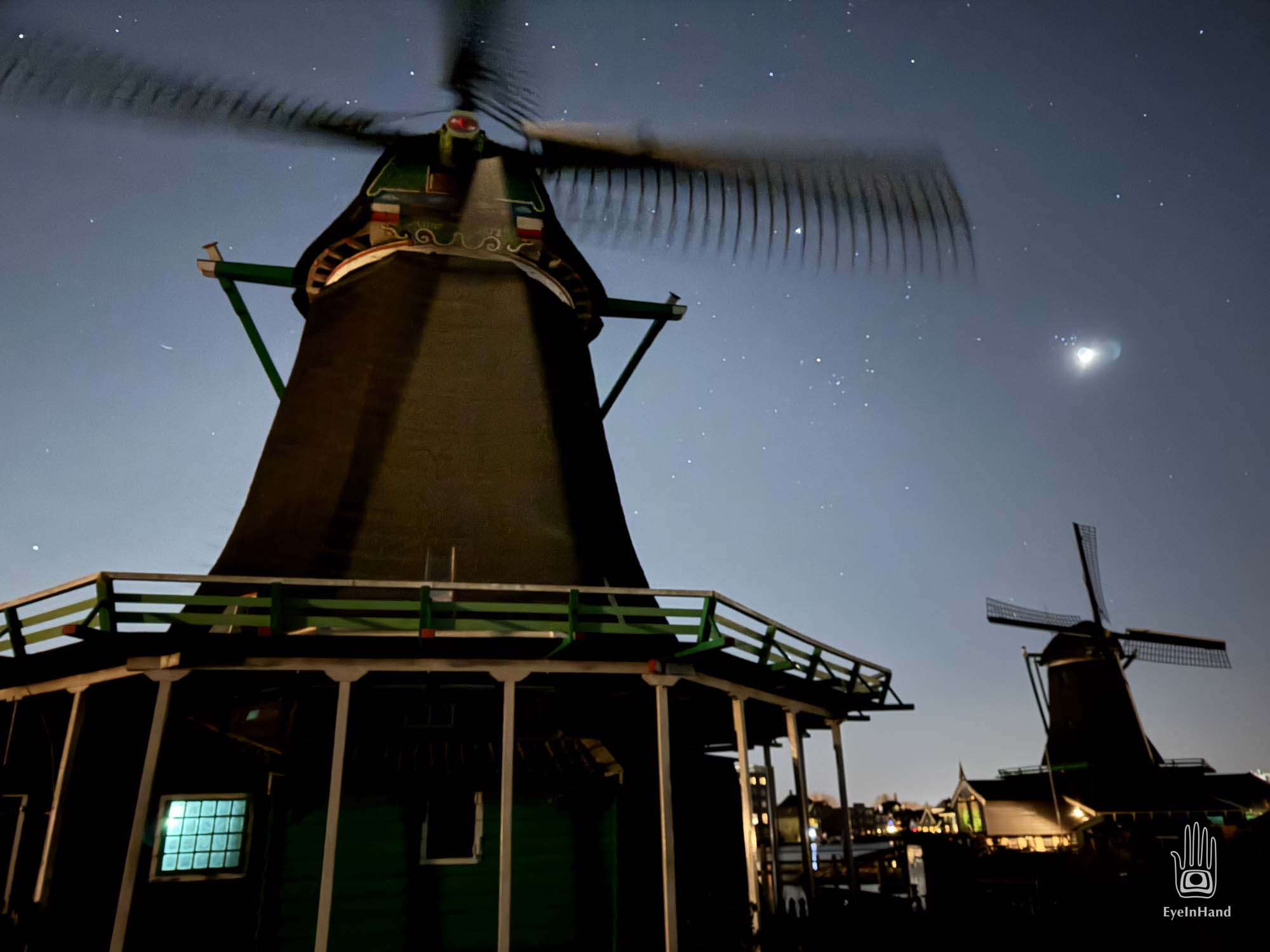
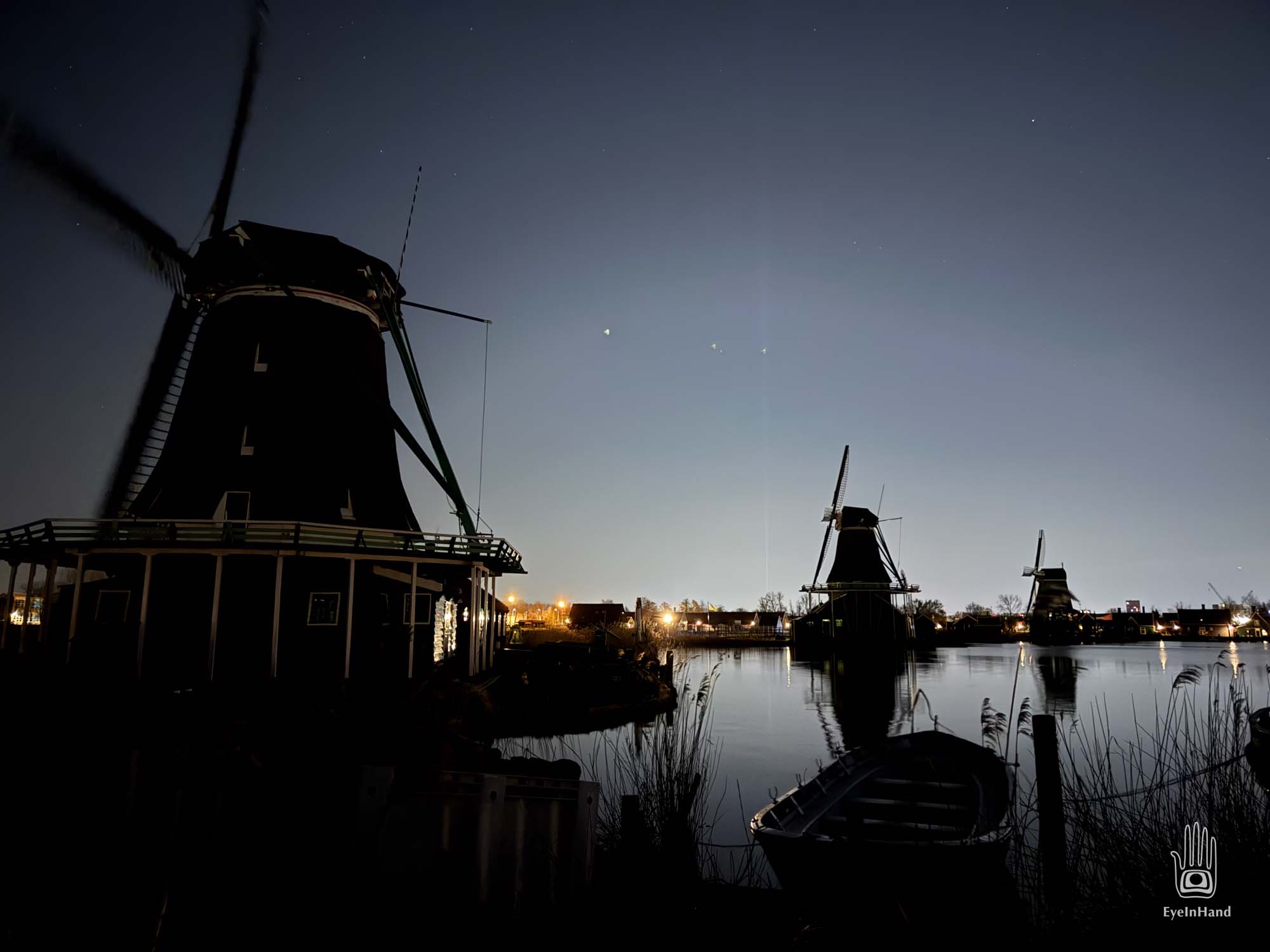
One evening we took the train back from Amsterdam. We walked from the station to the cottage, stopping for dinner in a small cafe. After dinner, we walked the rest of the way back in the moonlight. It was amazing, the windmills whooshing overhead like giant birds flapping in a starry sky. Flocks of geese and ducks in the canals and the polders cackled, adding to the surreal effect.
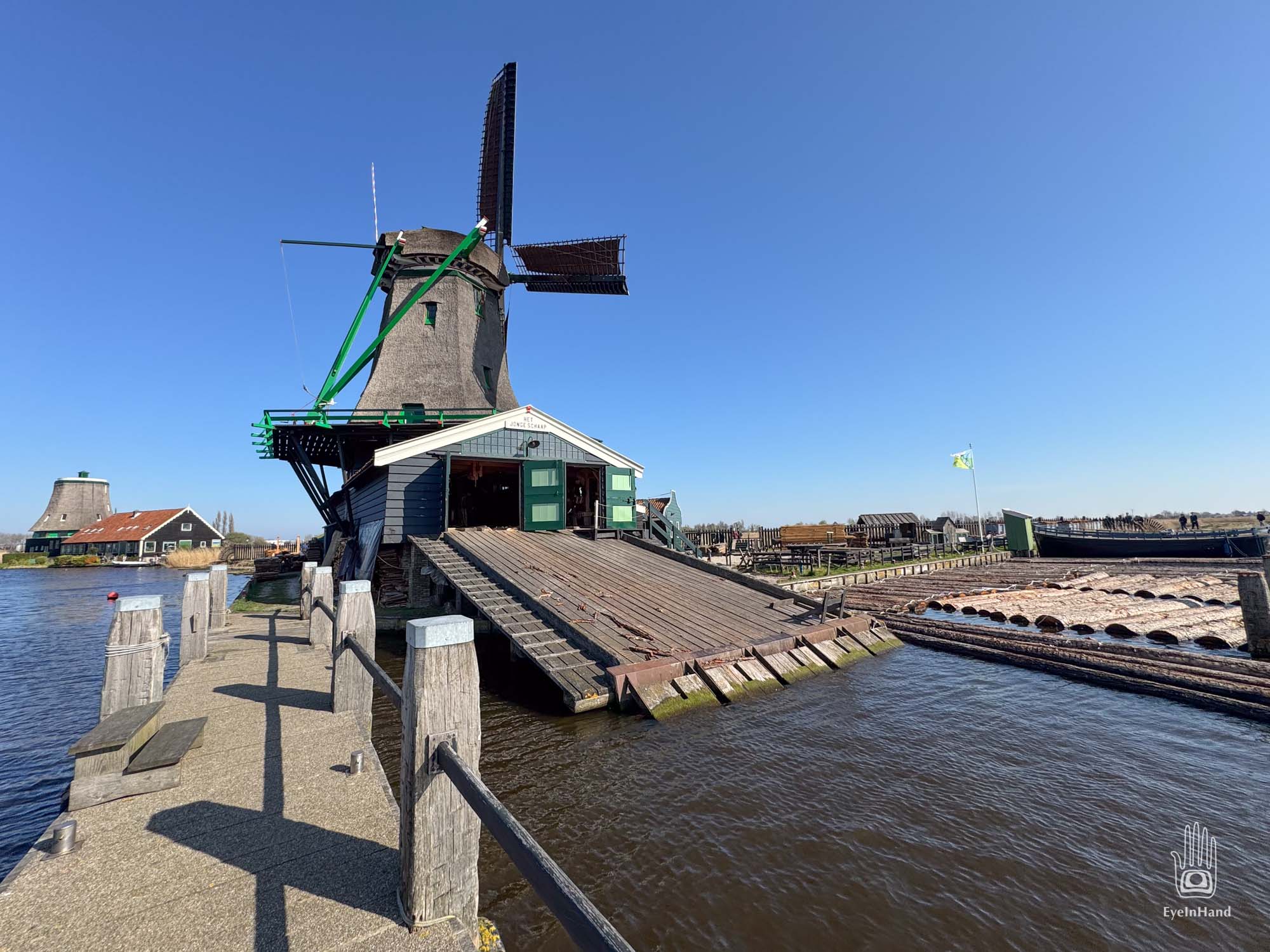
One morning while the others eased slowly out of bed, I rode by as the windmill crews were just opening up. Several of the mills earn their keep doing the same work they’ve done for hundreds of years. One is a working sawmill. At that early hour there were no crowds to contend with – I was the only visitor. Most of the crews are older men who work the mill, and a few young apprentices have joined them. One of the old Dutch guys saw how interested I was and gave me a personal tour, explaining in detail how it all works (in fluent English), and the history of that particular mill.
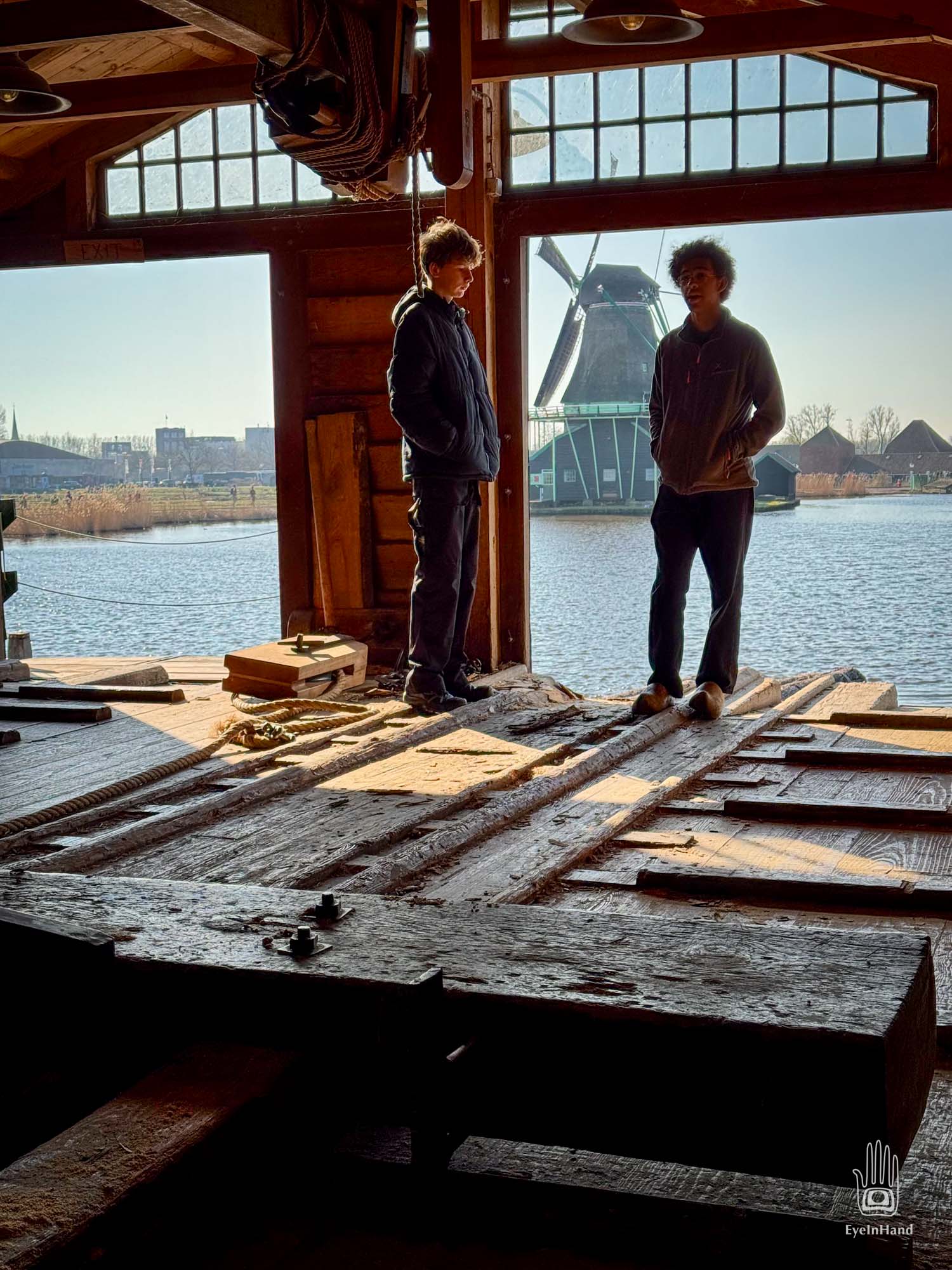
“The Young Sheep”Young Apprentices
This mill, Het Jong Schaap (“The Young Sheep”), had been in continuous operation for over 400 years, right up until WWII and the Nazi Occupation. Things became so desperate during the war that townspeople needed to dismantle the mill for firewood. But before they did, they documented in detail every piece they removed. Years after the war those plans were found. Funds were raised and the mill rebuilt exactly as it was, along with many others along the Zaans River.
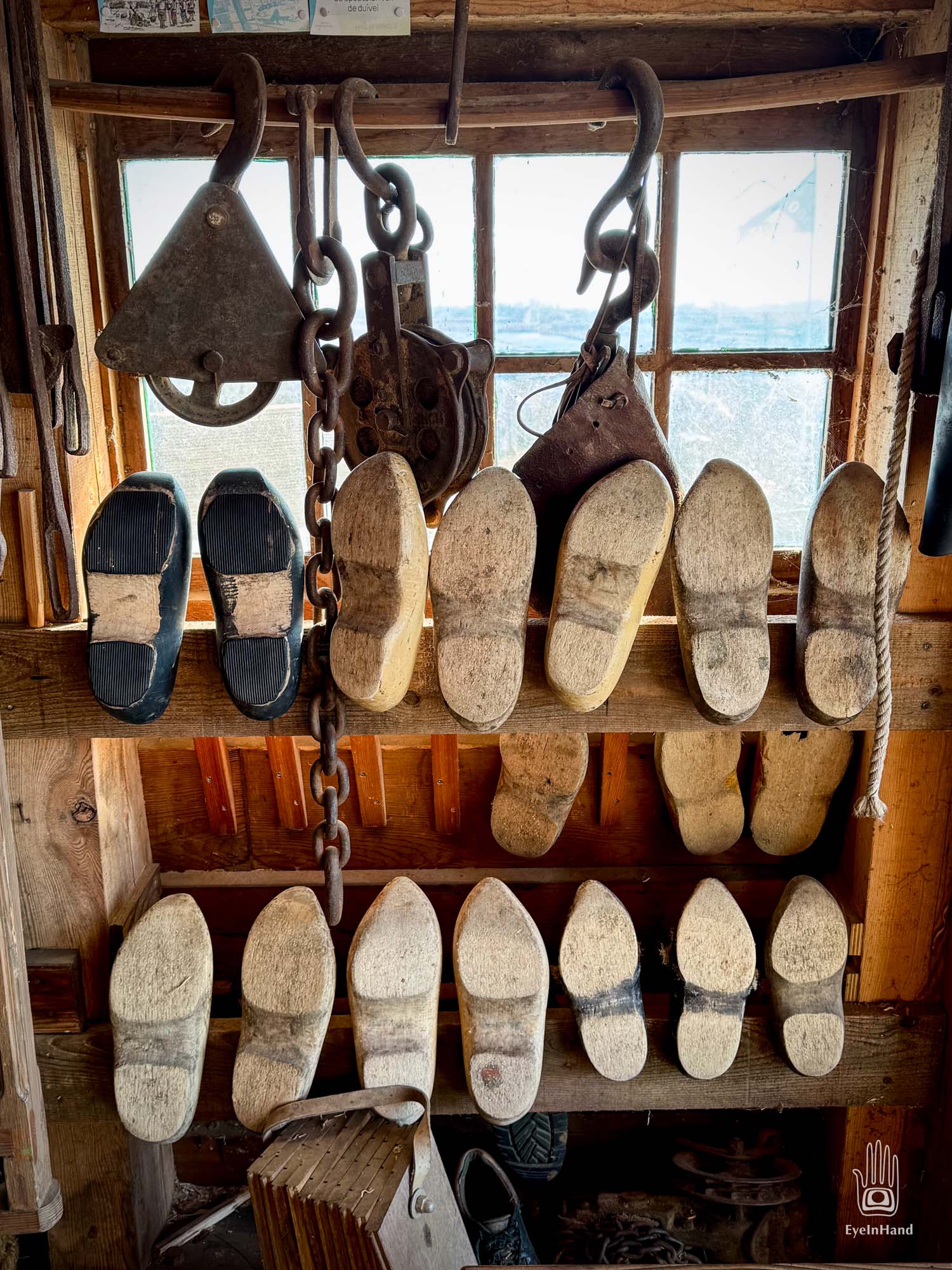
Work Shoes
Inside the mill, I was immediately struck by the sound – it’s like being inside an enormous breathing animal. The pace of respiration rises and falls with natural rhythm of the wind. From slow and steady, like the beast is sleeping, to rapid and muscular.
The canvas on the vanes are trimmed like sails to match the strength of the wind, and the whole head is turned with a crank to follow the wind direction as well, just like a sailing ship. In fact, as he was explaining how the gears work, he suddenly stopped short and made a quick adjustment to take advantage of a gust, which he heard instinctively – just like we do in our small wooden boats. “Just the same, it’s the same principle,” he said.
After the sound, there’s smell of fresh sawdust, and everywhere the rich golden glow of sunlight on wood. No reek of petroleum or exhaust, no screech and whine of industrial motors. Just heaving and sighing.
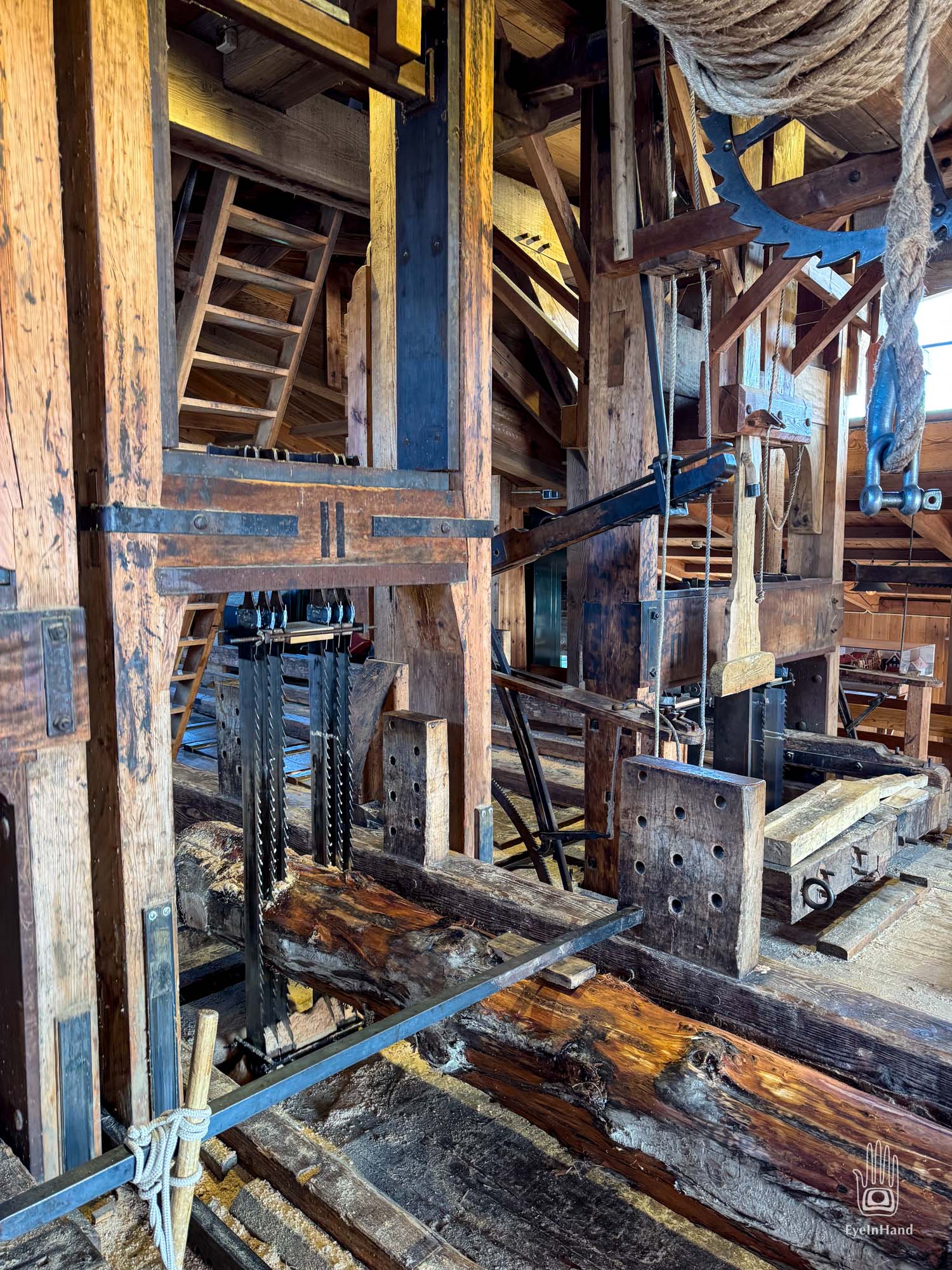
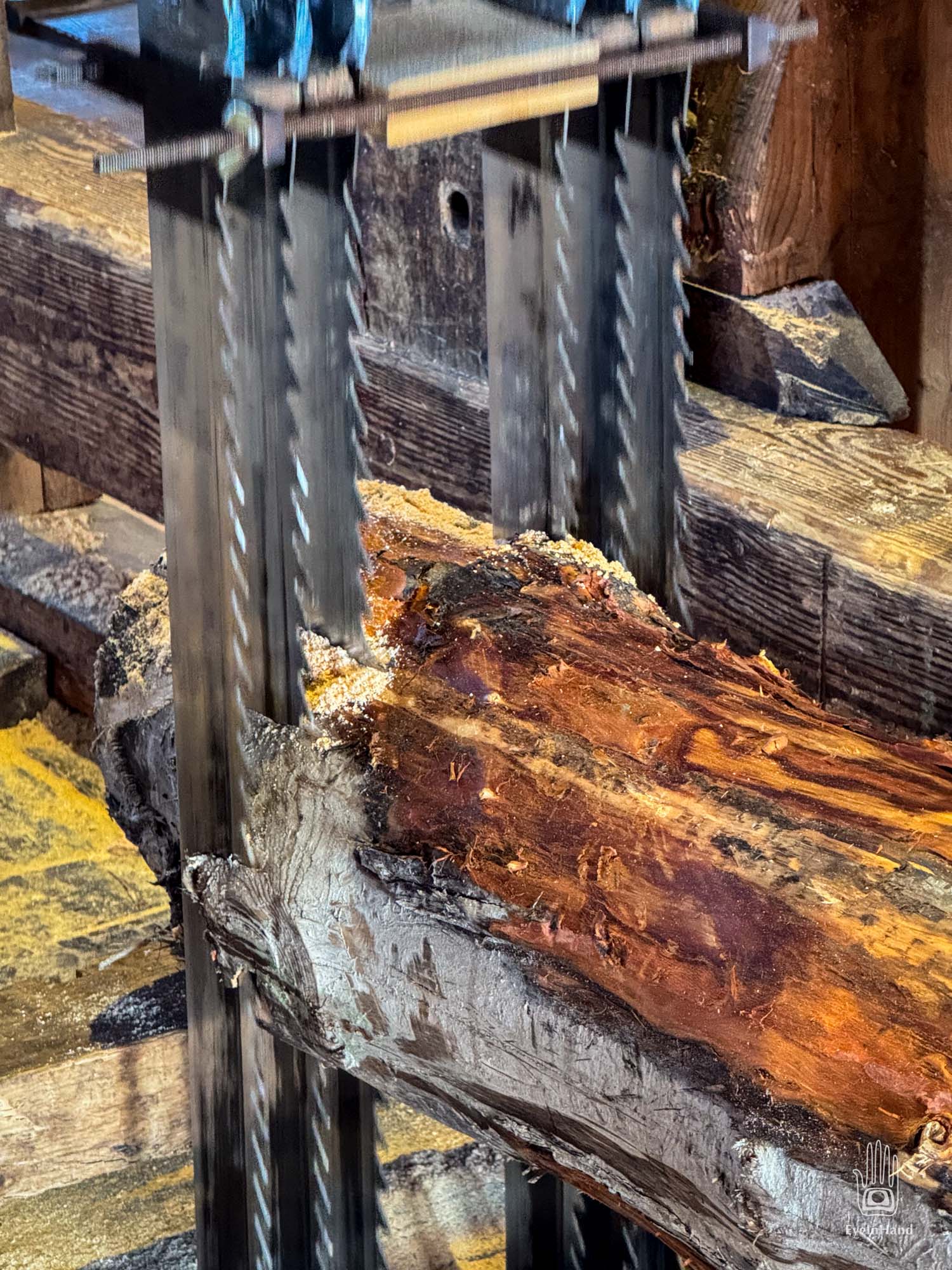
The whole apparatus is built like a big clock inside, and every step of the process is automated and facilitated by the power of the wind harnessed by the vanes. A windlass winds a hawser that hauls logs from the river up the ramp and into the mill, then lifts them onto a carriage where the log is dogged in place. Then another gear, ticking like a slow second hand watch gear, moves the log and carriage steadily into the blades as they pump up and down, the blades driven by a crank shaft turned in the attic by the wind.
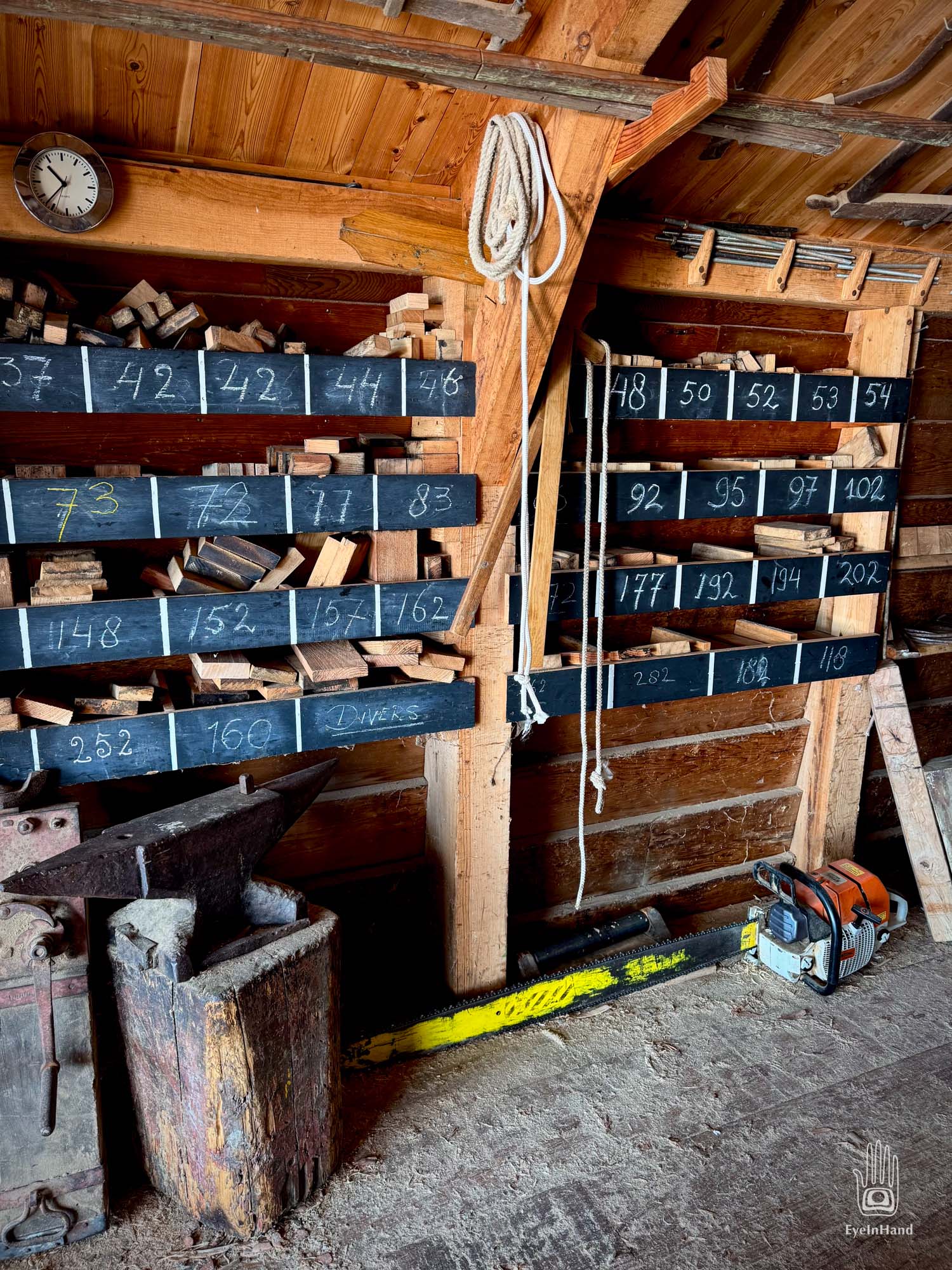
The blades are spaced with wooden blocks measured down to the millimeter. Using a combination of blades and spacers, they can cut thin planks and thick timbers from the same log in a single pass. With good wind, they can cut three logs at once, running all three saws side by side.
Spacer blocks, sorted to millimeter precision.
My guide, knowing I was a sailor, told me they recently had a commission to make a new mast for a large sailing ship. Cut eight sided and tapered. They used a single log 40 feet long, floated down rivers and canals from the Black Forest in Germany. There are small doors at the back of the mill just for this purpose – opened to let oversized pieces extend out through the walls.