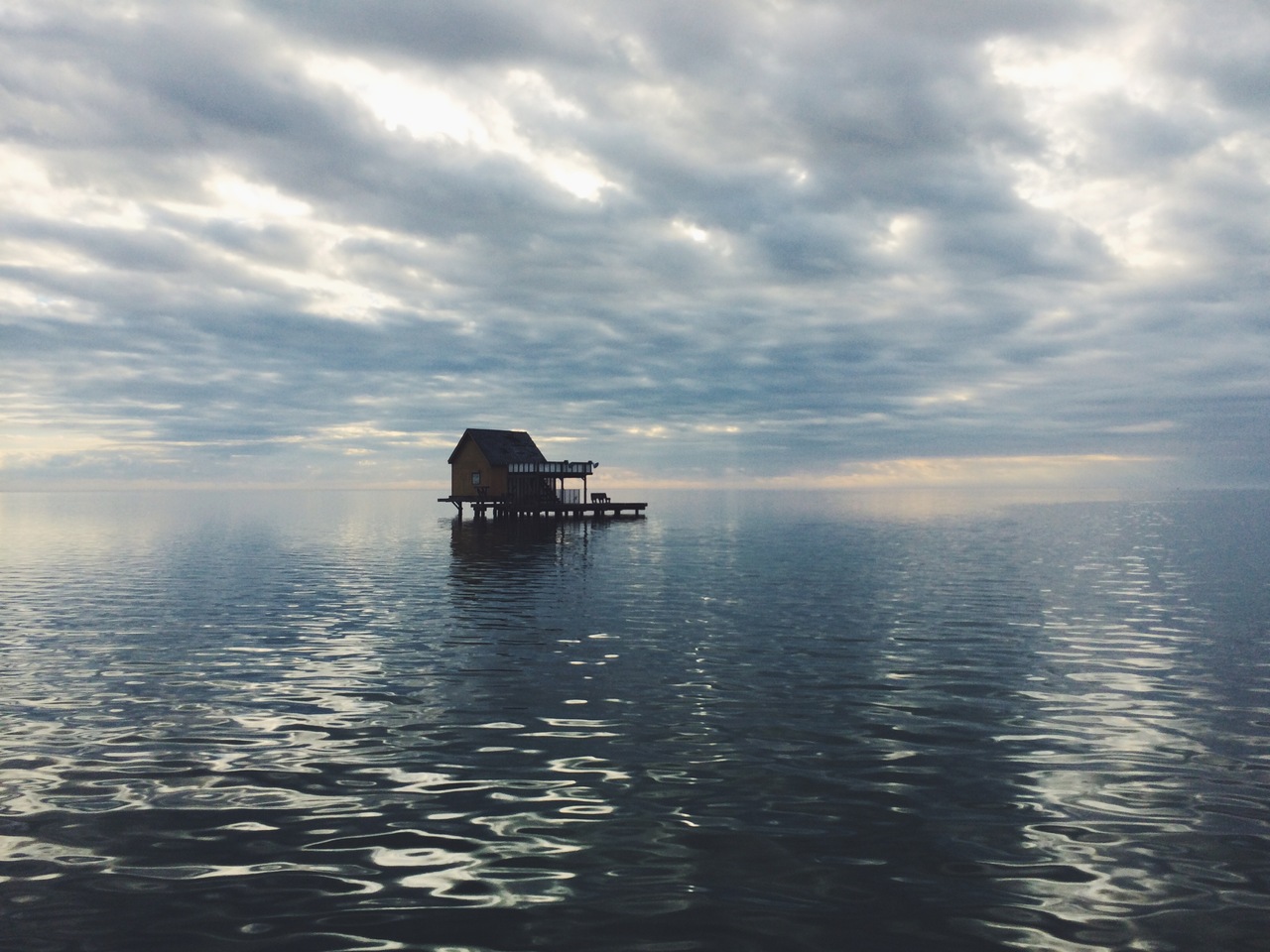
I don’t want much.
credit: Off-shore fishing cabin in Port Mansfield, TX. Contributed by Christian Heuer.
via cabin porn


an infrequent repository of mostly new stuff
I don’t want much.
credit: Off-shore fishing cabin in Port Mansfield, TX. Contributed by Christian Heuer.
via cabin porn
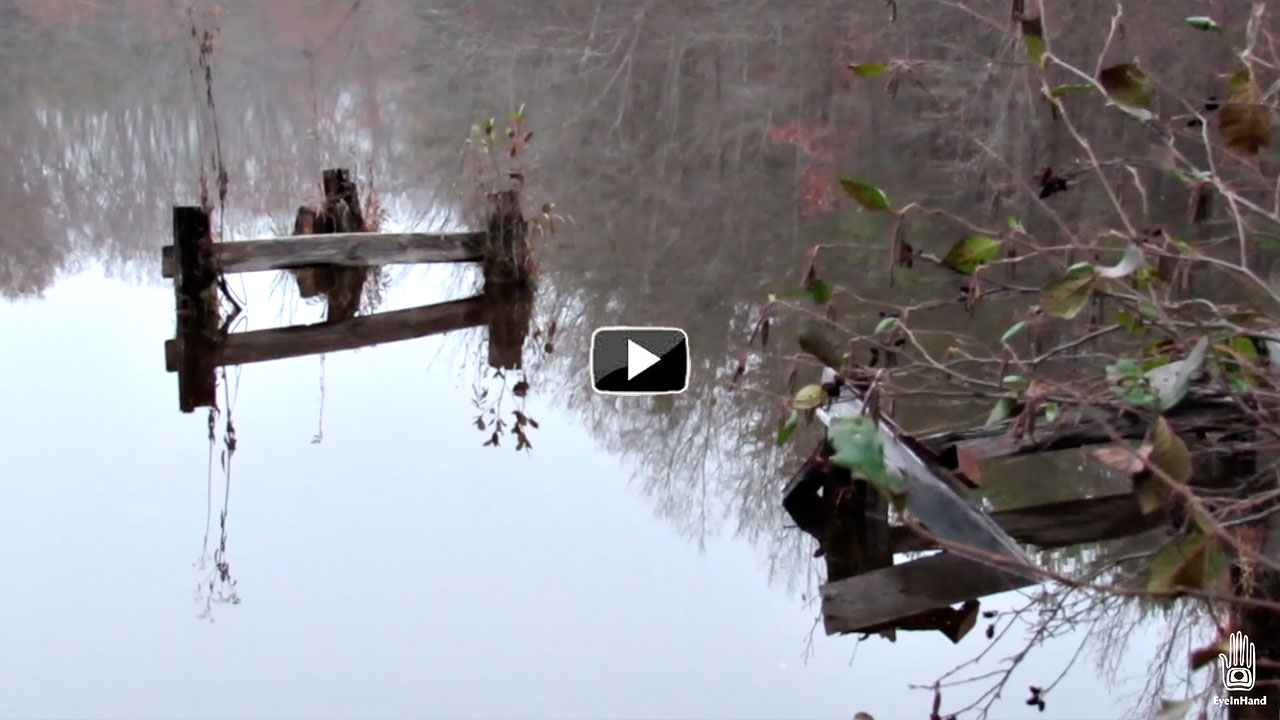
Snow expected by morning, followed by ice.
Took a walk through the back field in a light mist. Deer hunters are out.
The old dog is almost deaf, and can’t see me if I’m more than twenty feet away; but his nose still works, and he enjoys it.

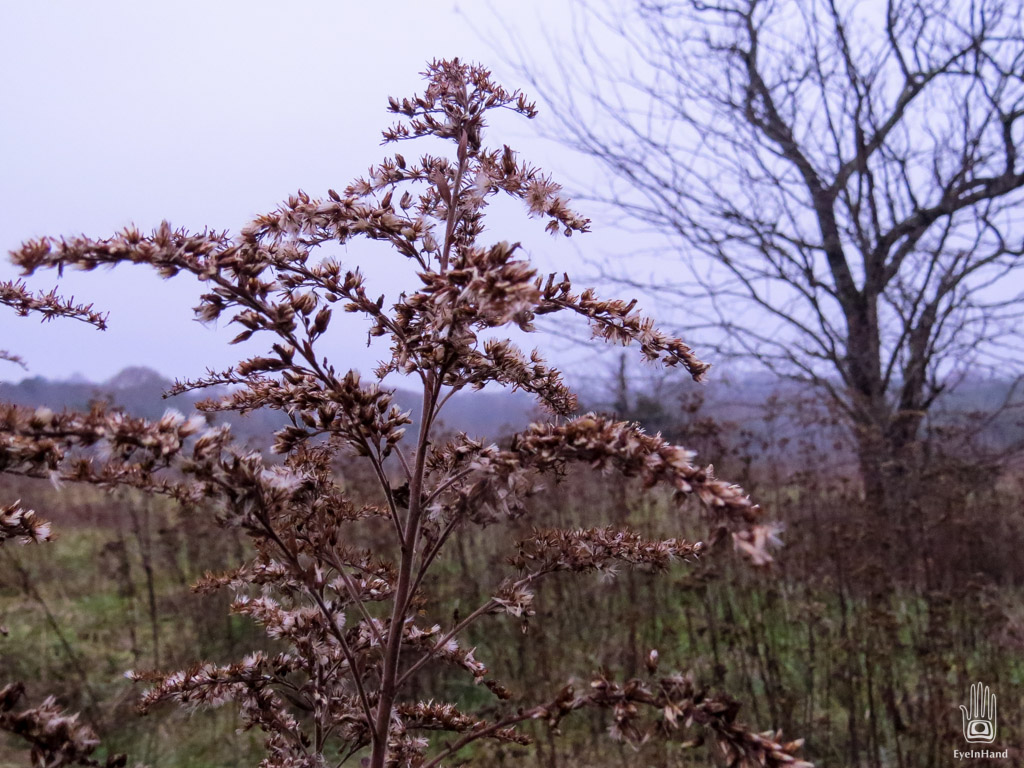

Sailing season is all but over here, for this year. This morning there was ice covering the puddles. Fourth day in a row this week. We’ve had the wood stove on high since Thanksgiving, and have not ventured far from it.
It’s nice now to have the clips from this trip to work with, and relive it a bit.
Looking back through my files, I see there are several trips that never got posted – been a busy year. Looks like I’ll have material to carry well into winter, when clips of hot summer days on the water will be very welcome.
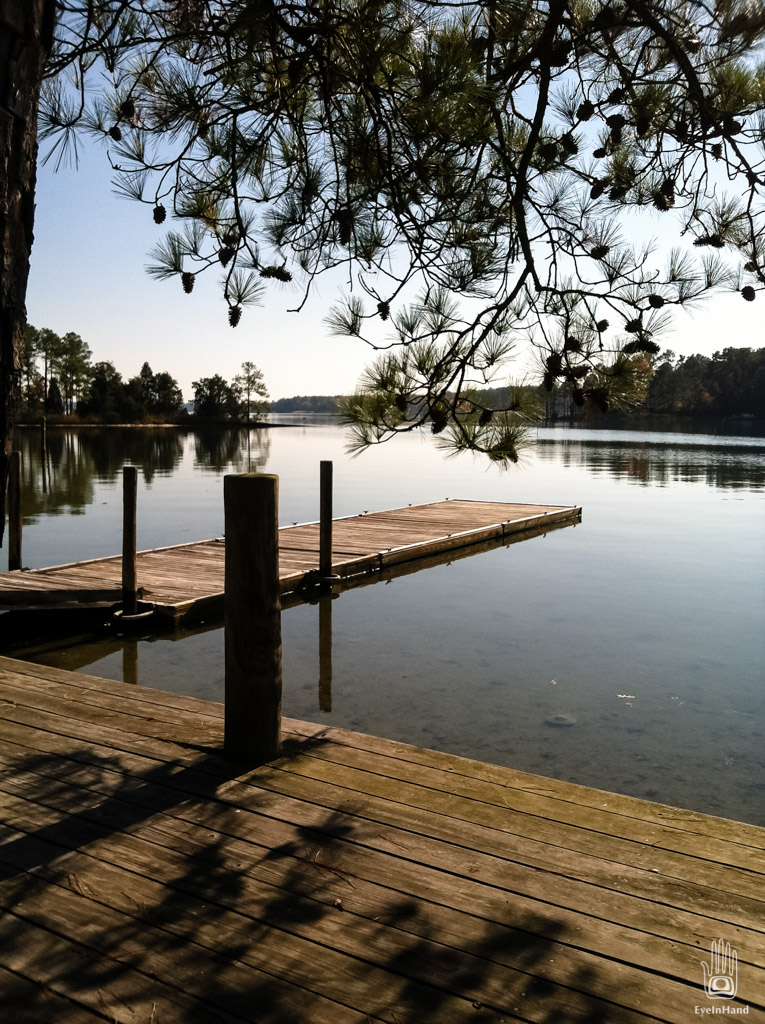
Almost exactly one year ago, to the day.
The Corrotoman juts off the north shore of the Rappahannock, a mile or so upriver from the White Stone Bridge.
When I was a boy the bridge scared me. Even my dog was afraid of the bridge, and would cower in the floor of the back seat when she saw the big steel trusses approaching.
Not just because it is very high for a bridge – when it was built post Pearl Harbor, the Navy wanted to use the deep Rappahannock as a hurricane hole and disperse the fleet from Norfolk quickly, and be able to get upriver and back even if a storm (or Japanese planes) knocked out the power, so a low, drawbridge type wouldn’t do – but, more significantly, because it was so high a few people had gone over the edge to their deaths. Driving across you could see scars in the guardrails where they swerved and bounced over. Grandfather never failed to point them out. I could imagine too clearly the bumping crunch, the long silence of the drop, and the explosive splash at the end.
My first real job was with the Virginia Department of Conservation. I ran the Chesapeake Bay Youth Conservation Corps. It was a great job. I got to give away money, which is a good job to have, even though I made very little money myself. I learned a lot in those years about how different people – and groups of people – have an effect upon resources in the public domain.
I grew up around Watermen. They were independent people who almost always worked alone, hard, and for long hours. And except for a few exceptional situations – unusual circumstances outside their control, or some new technology at their disposal that tipped the scales unexpectedly, or a technique that proved more destructive than productive – they rarely had a lasting impact on the fisheries. As independent fishermen, the system was brutally but effectively self-regulating. If there were not enough fish to catch, using only the limited crude methods at their disposal, most of them would lose everything and look for work elsewhere. Only the most determined and those willing to live on the most modest means survived to fish another day.
Nobody got rich fishing anymore. Those days were long gone.
But, like many things, that whole equation changes when corporations take over the business of fishing. With vast capital resources at their disposal, and hard science and technology at their fingertips, the equation gets skewed. It’s like a few men with chain saws and teams of horses logging sustainably for generations, because they can’t do otherwise given their tools, compared to heavy equipment hydraulic tree harvesters and helicopters airlifting clear-cut forests out of the mountains to railroads specifically built for hauling logs. It’s a whole different ballgame.
My great uncle James was a cook on a Menhaden ship in a fleet that operated in the Chesapeake out of Reedville. He made an awesome Waldorf Salad. Once they started using airplanes to spot the scattered shoals of fish from the air, scooping up what was once an entire season’s catch of the diminishing fish in a few sets of the net, the whole situation changed from sustainable harvesting to endgame resource extraction. And he quit.
So this story really interests me. It’s a good story, even if you don’t have that background, because it follows parallels in so many areas; because human beings are remarkably consistent in our behavior. But it really speaks to the challenges facing any attempt to regulate any resource management that assumes self-regulation by the interested parties.
180,000 whales killed in the span of a few years. Not back in they heyday of whaling. No, this was when they were already endangered. Killed off the books, and illegally. By just one country’s fleet of three factory ships.
A good read. And worth keeping in mind whenever we discuss fishing quotas, resource management, and basics of human behavior:
The Most Senseless Environmental Crime of the 20th Century
180,000 whales. Gone in just five years.
Now imagine a coal or oil or gas industry making decisions in any way other than those that increase the short term value for shareholders. Or willingly harvesting less Menhaden, or Cod. It’s their job to obfuscate the facts if those facts are inconvenient, just as it’s the job of a horse trader to hide the real age of his mares. Imagine fur trappers leaving pelts for another day, and trusting each other to do the same. Or African ivory, or rhino tusks.
We cannot assume that they are not lying.
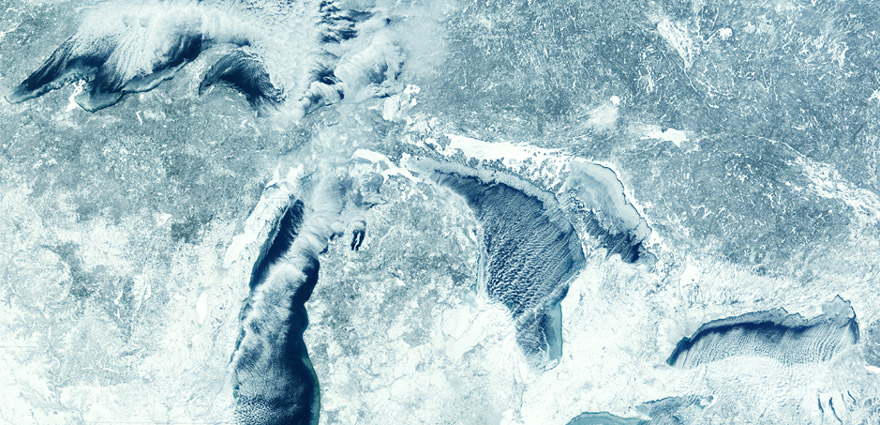 the Great Lakes in winter
“White Hurricane” by Lou Blouin of FoundMichigan.org
An excellent story of an epic storm that struck the Great Lakes 100 years ago today.
Modern weather forecasting was in its infancy. At the time, basic weather observations were gathered by hand by people scattered across the country, like human instruments, then wired back to the Weather Bureau in Washington, DC, where it was all compiled, analyzed for patterns and clues, regurgitated, codified, and wired back. These “forecasts” were a half day or more out of date by the time they arrived. Fast changing conditions simply charged through the open cracks. The warnings of a major storm sometimes arrived after the storm did.
That’s what happened in 1913. A fierce arctic gale out of Canada crashed into a warm gulf front pouring over the Appalachians. The collision occurred over the Great Lakes, and caught the whole region by surprise, exploding into a storm never seen before. Two feet of snow fell overnight. Winds went from balmy to hurricane force within the span of a half hour, whipping up waves 35 feet high. Ships and sailors on the notoriously dangerous waters were caught vulnerable and woefully unprepared for what lay in store.
By the time it was done, 12 major ships and over 250 men were lost in this single storm – more than in all the seasons of the decade before combined. Bodies of sailors washed up on the shores for days, as did parts of their ships, often scribbled with their forlorn farewells to loved ones.
A great story well told, well worth a read.
 Steve Earley in Spartina
A long time ago, when I asked why puffs of wind coursing across the water were called “cat’s paws,” I was told it’s because the wind makes patterns on the surface shaped like a cat’s paw. Sounded reasonable.
Well, obviously, this is wrong. And clearly an explanation made up by someone who never set foot on a sailboat once their whole life.